12460 Crabapple Rd #103, Alpharetta, GA 30004


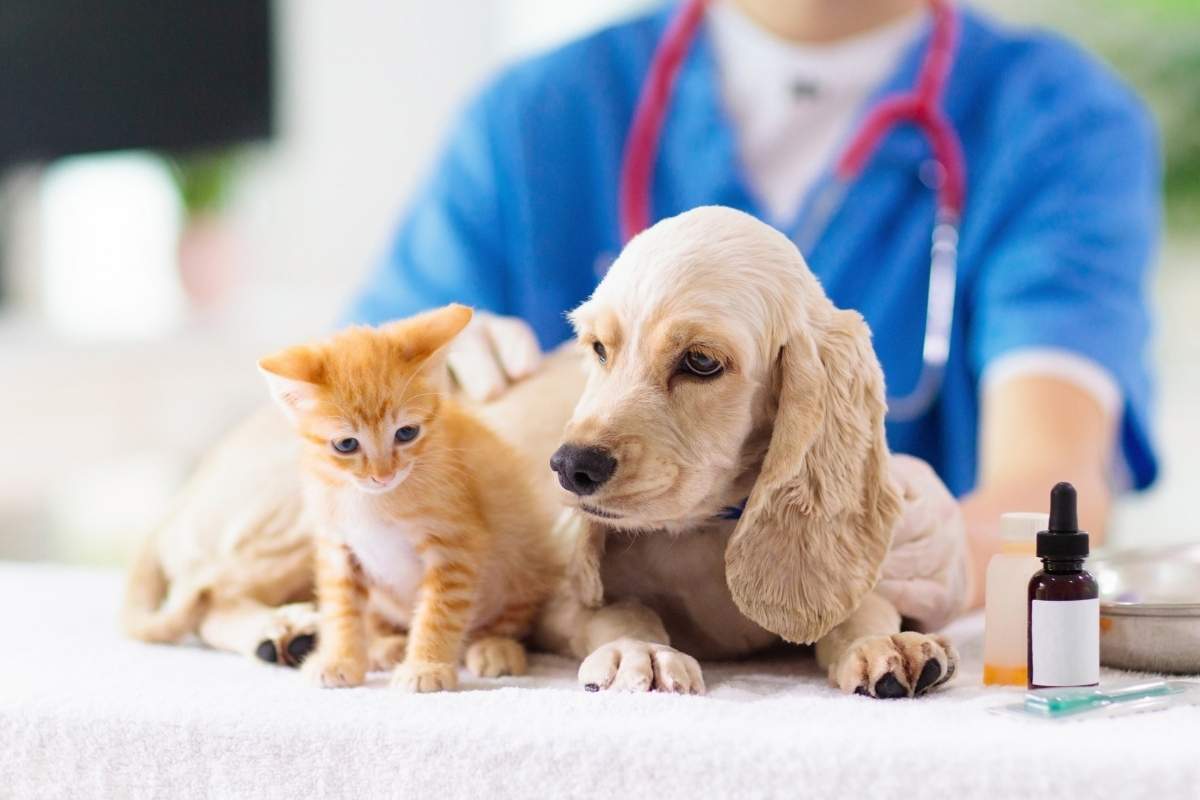
Welcoming a new puppy or kitten into your home is one of the most exciting experiences for any pet lover. The first twelve months play an enormous role in shaping your new companion’s behavior, health, and long-term well-being. While it’s a year filled with cuddles, playful chaos, and unforgettable moments, it also comes with responsibilities that every owner should understand before bringing home their new furry family member.
This guide walks you through what to do from day one to year one, ensuring your puppy or kitten grows into a confident, healthy, and happy adult pet.
Preparing for Your New Arrival
Before your pet even walks through the door, preparation is key. Set up a safe and welcoming environment to help them transition smoothly.
Create a Comfort Zone
Pets need a dedicated space where they can rest and feel secure.
- For puppies: a crate or playpen with a cozy bed.
- For kittens: a warm, quiet corner fitted with soft bedding.
This safe zone helps with stress relief and supports early training efforts.
Gather Essential Supplies
- Food and water bowls (preferably stainless steel or ceramic)
- Age-appropriate food
- Collar and ID tag
- Toys for mental stimulation
- Litter box and litter for kittens
- Grooming tools
- Leash and harness for puppies
Starting off with the right supplies builds consistency and comfort from the beginning.
Nutrition During the First Year
The growth phase is nutritionally demanding. Puppies and kittens need balanced diets that support bone development, cognitive growth, and healthy immune systems.
Choosing the Right Food
A high-quality, age-specific formula is essential. Puppies and kittens grow rapidly, and adult food simply won’t meet their needs. Ask your veterinarian for tailored recommendations based on breed, size, and any special health considerations.
Feeding Schedule
- Puppies: 3–4 meals a day until around 6 months, then transition to twice daily.
- Kittens: Free-feeding works well in early months, but planned meals help prevent overeating as they mature.
Always monitor body condition to ensure they’re growing at a healthy rate.
Health Care Essentials
Your pet’s first year includes multiple veterinary visits. These appointments help protect them from disease and establish a solid foundation for long-term wellness.
Core Vaccinations
Both puppies and kittens require a series of vaccinations starting at 6–8 weeks old and continuing every few weeks until around 16 weeks. These protect against illnesses like parvovirus, distemper, rabies, and respiratory infections.
Parasite Prevention
Monthly protection against fleas, ticks, heartworms, and intestinal parasites is critical. Young pets are especially vulnerable, so consistent prevention is non-negotiable.
Spaying & Neutering
Most veterinarians recommend spaying or neutering between 4–6 months, though timing can vary by breed and health status. Besides preventing unwanted litters, the procedure offers behavioral and medical benefits.
If you’re local and looking for trusted care, many families seek puppy & kitten care in Alpharetta, GA, from reputable pet wellness providers in the area.
Training Your Puppy or Kitten
Training begins the moment your new pet enters your home. Early habits and interactions shape their lifelong behavior.
House Training
- Puppies: Establish a consistent potty schedule and reward positive behavior. Praise and treats work wonders.
- Kittens: Most kittens instinctively use the litter box, but placement matters. Keep it accessible and clean.
Basic Commands & Boundaries
Puppies should begin learning commands like sit, stay, come, and leave it. Kittens can learn behaviors too—such as responding to their name, using scratching posts, and accepting nail trims.
Positive Reinforcement
Never use punishment. Positive reinforcement builds trust and motivates desirable behavior. Treats, toys, and affection work well.
Socialization: Building Confidence Early
The socialization window is limited, especially for puppies, who form many lifelong impressions before 14 weeks of age. Kittens also benefit significantly from controlled early interactions.
Healthy Exposure
Introduce your pet to new sounds, surfaces, people, and environments gradually.
Examples include:
- Car rides
- Grooming sessions
- Meeting friendly pets
- Visitors at home
- Walking on different surfaces (carpet, tile, grass)
Proper socialization reduces the risk of fear-based behaviors later in life.
Grooming and Hygiene
Regular grooming isn’t only about appearance—it supports overall health and teaches your pet to tolerate handling.
Brushing
- Puppies, especially long-haired breeds, need brushing several times a week.
- Kittens benefit from early brushing habits to reduce shedding and hairballs.
Bathing
Puppies may need occasional baths, while most kittens rarely require them unless they’re dirty or advised by a vet.
Teeth & Nails
Start dental care early using pet-safe toothpaste. Trim nails regularly to prevent discomfort and injury.
Exercise and Enrichment
Movement and stimulation keep your pet healthy and well-adjusted.
For Puppies
Daily walks, interactive toys, and supervised play sessions are essential. Puppies need varied exercise depending on their breed and energy level.
For Kittens
Kittens thrive on playtime. Wand toys, climbing towers, and puzzle toys offer mental and physical stimulation.
Both pets benefit from routine—consistent play, feeding, training, and sleep times make them feel secure.
Year One Milestones
Here’s what you can expect throughout your pet’s first year:
- 2–3 Months: Adjustment to home, early training, first vaccines
- 4–6 Months: Teething, increased energy, spay/neuter
- 6–9 Months: Better control of behavior, stronger bonding
- 9–12 Months: Transition to young adulthood, possible food switch
By the end of their first year, your pet will have developed a strong foundation for a lifetime of good health and companionship.
The first year with a puppy or kitten is filled with joy, learning, and new experiences. With proper nutrition, training, socialization, and healthcare, you set the stage for a well-adjusted, thriving adult pet. Every bit of effort you invest in these early months shapes the loving companion they’ll become.