12460 Crabapple Rd #103, Alpharetta, GA 30004

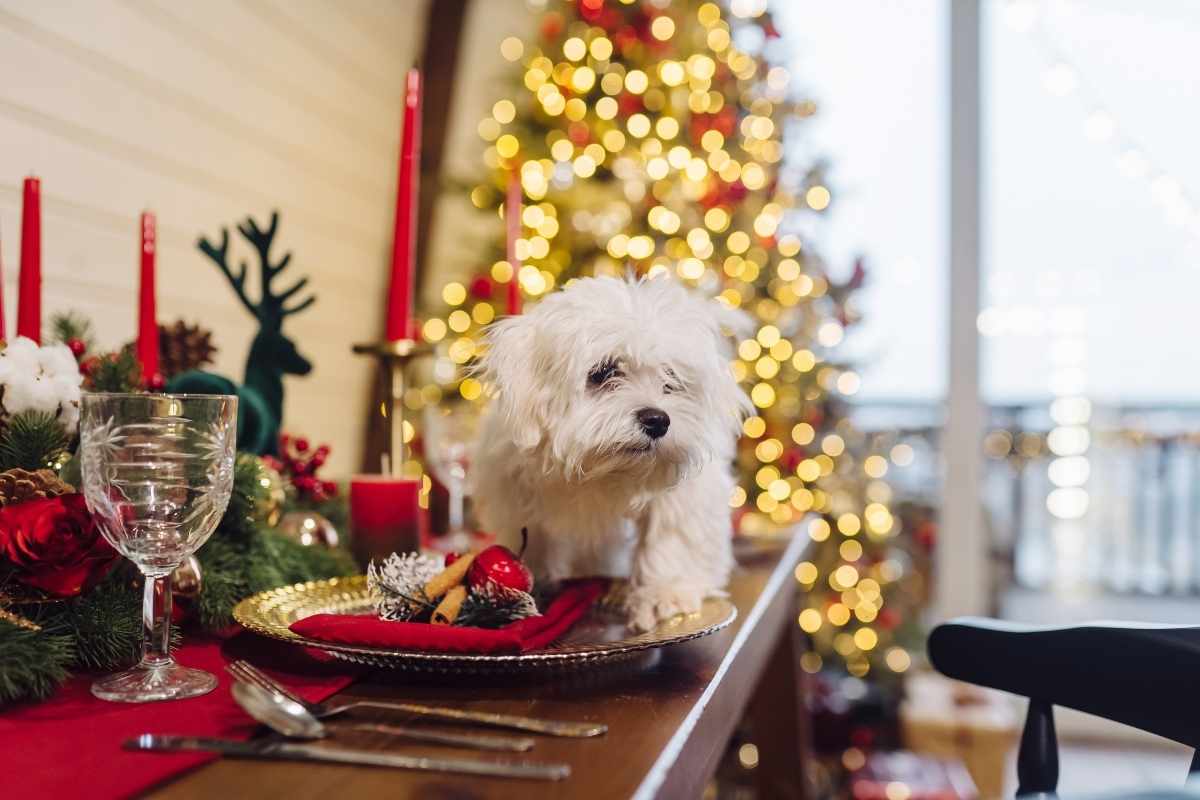
The holiday season brings warmth, joy, and delicious feasts shared with loved ones. However, amid the celebrations, your furry family members face hidden dangers lurking on dinner tables and kitchen counters. Many traditional Christmas foods that are dangerous for pets can cause serious illness or even life-threatening emergencies. As a responsible pet owner, understanding these risks is essential for keeping your four-legged companion safe. This guide will help you identify harmful holiday foods, recognize warning signs of toxicity, and take proactive steps to protect your pet during the festivities.
Why Holiday Foods Pose Serious Risks to Pets
During Christmas, your home transforms into a wonderland of tempting aromas and accessible treats. Unfortunately, this creates the perfect storm for pet-related food emergencies.
Pets become more curious when unfamiliar dishes appear. Additionally, well-meaning guests often sneak table scraps without understanding the consequences. Even a small bite of certain foods can trigger severe reactions in dogs and cats.
Veterinary emergency rooms see a significant spike in cases during the holiday season. Most incidents involve pets ingesting toxic foods or rich dishes their digestive systems cannot handle.
Common Toxic Holiday Foods for Dogs and Cats:
Chocolate and Cocoa-Based Treats
Chocolate remains one of the most dangerous holiday foods for pets. It contains theobromine and caffeine, which dogs and cats cannot metabolize effectively.
Dark chocolate and baking chocolate pose the highest risk. Even small amounts can cause vomiting, rapid breathing, seizures, and heart problems. Keep all chocolate desserts, hot cocoa mixes, and candy far from your pet’s reach.
Xylitol-Sweetened Products
Xylitol, a sugar substitute found in sugar-free candies, gum, and baked goods, is extremely toxic to dogs. Ingestion can cause a rapid drop in blood sugar, leading to weakness, collapse, and liver failure.
Always check ingredient labels on holiday treats. Furthermore, remind guests not to leave purses or bags containing sugar-free products where pets can access them.
Fatty and Rich Foods
Holiday meals often feature butter-laden dishes, gravy, and fatty meats. While these seem harmless, they can trigger pancreatitis in pets.
Pancreatitis causes severe abdominal pain, vomiting, and dehydration. In serious cases, hospitalization becomes necessary. Therefore, resist the urge to share your festive feast with your furry friend.
Onions, Garlic, and Leeks
These aromatic vegetables add flavor to stuffing, gravies, and casseroles. However, they contain compounds that damage red blood cells in dogs and cats.
Symptoms may not appear immediately but can develop over several days. Consequently, even leftover dishes containing these ingredients should be kept away from pets.
Grapes, Raisins, and Currants
Found in fruitcakes, Christmas puddings, and holiday breads, these fruits are highly toxic to dogs. Even small quantities can cause acute kidney failure.
Signs include vomiting, lethargy, and decreased urination. If your pet consumes any amount, seek veterinary care immediately.
Alcohol and Caffeinated Beverages
Pets are far more sensitive to alcohol than humans. Eggnog, wine, beer, and liquor-infused desserts can cause dangerous drops in blood sugar, body temperature, and blood pressure.
Similarly, coffee and caffeinated drinks can trigger restlessness, rapid breathing, and heart palpitations. Always keep beverages supervised and clean up spills promptly.
Cooked Bones and Turkey Skin
While bones seem like natural treats, cooked bones splinter easily. These sharp fragments can puncture your pet’s digestive tract or cause choking.
Turkey skin, meanwhile, is extremely fatty and often seasoned with garlic or onion. Both can lead to gastrointestinal upset or more serious complications.
Warning Signs of Food Toxicity in Pets
Recognizing symptoms early can save your pet’s life. Watch for these warning signs after holiday gatherings:
- Vomiting or diarrhea
- Excessive drooling
- Loss of appetite
- Lethargy or weakness
- Tremors or seizures
- Difficulty breathing
- Abdominal pain or bloating
Some symptoms appear within hours, while others may take days to develop. Trust your instincts—if something seems wrong, act quickly.
How to Keep Your Pet Safe This Christmas
Prevention is always better than treatment. Follow these actionable steps to protect your pet during the holidays:
Educate your guests. Politely inform visitors that feeding your pet is off-limits. Consider placing a friendly sign near food areas.
Secure garbage bins. Dispose of food scraps in pet-proof containers immediately after meals.
Create a safe space. During parties, keep your pet in a quiet room with fresh water and their favorite toys.
Offer pet-safe alternatives. Prepare plain, cooked vegetables like carrots or green beans as special holiday treats.
Supervise constantly. Never leave food unattended on low tables or accessible counters.
When to Contact Your Veterinarian Immediately
Time matters when dealing with potential poisoning. Contact your veterinarian or an emergency animal hospital if your pet:
- Ingests any known toxic food
- Shows sudden behavioral changes
- Experiences repeated vomiting or bloody stool
- Collapses or has difficulty standing
- Displays signs of severe abdominal pain
The holiday season should be filled with joy, not emergency vet visits. By staying informed about Christmas foods that are dangerous for pets, you can celebrate safely with your entire family—including the four-legged members. Keep toxic foods secured, educate your guests, and always have your veterinarian’s number handy. With a little preparation, you and your beloved companion can enjoy a happy, healthy Christmas together.
If your pet may have eaten a toxic holiday food or you notice any unusual symptoms, early veterinary care can make all the difference. Many food-related emergencies worsen quickly without treatment. Contact your veterinarian immediately to ensure your pet receives the care they need. If your regular clinic is closed, seek help from a nearby 24/7 emergency animal hospital right away.
Frequently Asked Questions:
Q1: Can dogs eat a small amount of chocolate during Christmas?
A: No, even small amounts of chocolate can be harmful to dogs. The level of toxicity depends on the type of chocolate and your dog’s size, so it’s best to avoid it entirely.
Q2: What should I do if my pet accidentally eats holiday food?
A: Contact your veterinarian immediately with details about what your pet consumed and how much. Quick action can prevent serious complications and improve treatment outcomes.
Q3: Is turkey meat safe for dogs and cats?
A: Plain, boneless, skinless turkey in small amounts is generally safe. However, avoid seasoned meat, skin, bones, and any turkey cooked with onions or garlic.
Q4: How quickly do symptoms of food poisoning appear in pets?
A: Symptoms can appear within 30 minutes to several hours, depending on the substance ingested. Some toxins, like those in grapes, may cause delayed symptoms over 24-72 hours.
Q5: Are Christmas plants also dangerous for my pet?
A: Yes, several holiday plants pose risks. Poinsettias cause mild irritation, while mistletoe and holly berries can cause more serious symptoms, including vomiting and heart problems.
Q6: What are safe Christmas treat alternatives for my pet?
A: Safe options include plain cooked carrots, green beans, apple slices (without seeds), and commercially prepared pet treats. Always introduce new foods gradually.
Related Articles