12460 Crabapple Rd #103, Alpharetta, GA 30004

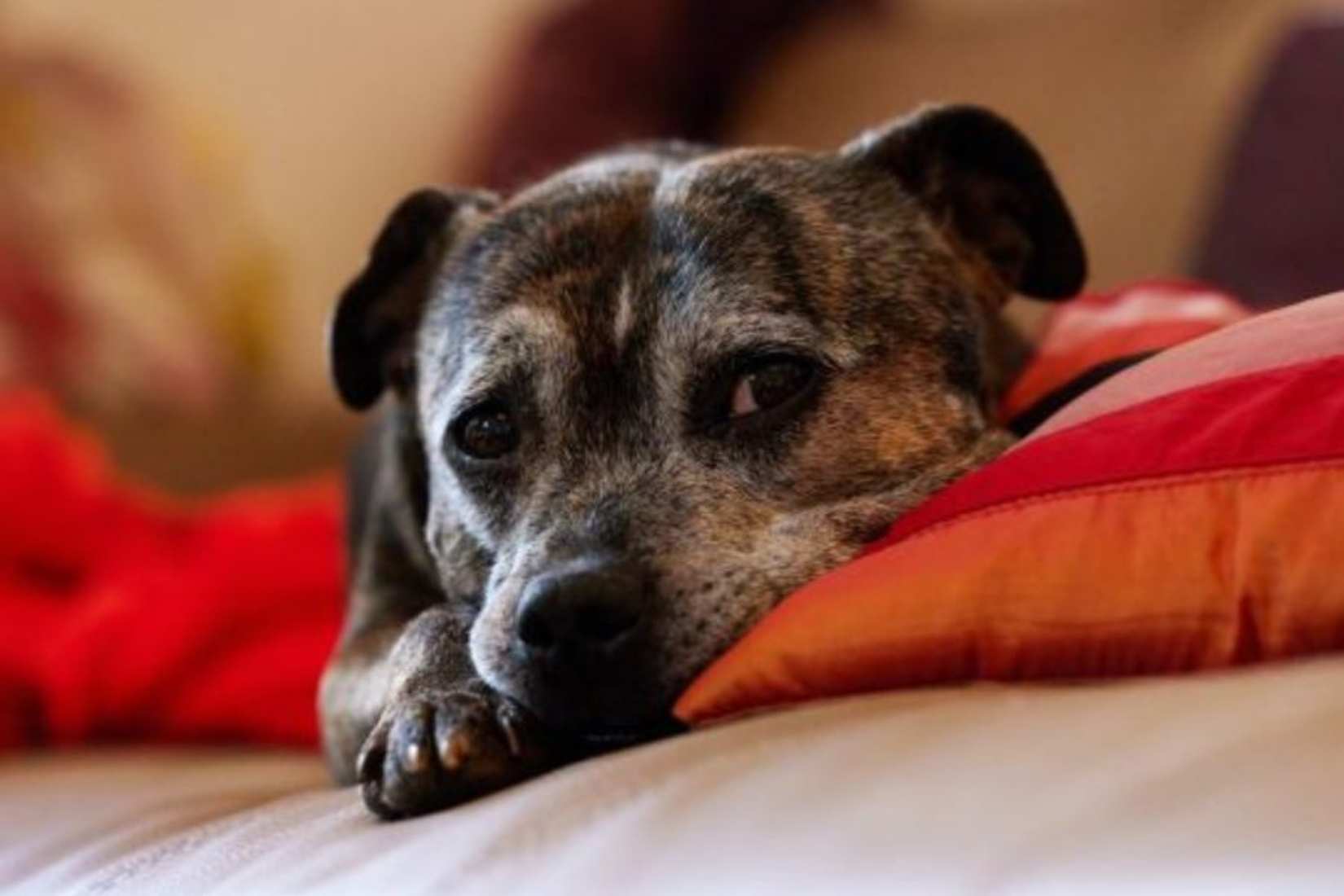
Every dog wag and every cat purr is a reminder of just how precious the bond between pets and their people truly is. As your beloved companion enters their senior years, that bond deepens and so does their need for attentive, specialized veterinary care. Senior pets face a unique set of health challenges that require a more proactive, vigilant approach to medical management.
At Milton Animal Hospital, your trusted veterinarian near you in Alpharetta, we have deep experience caring for aging dogs and cats. In this guide, we’ll cover what constitutes “senior” status for dogs and cats, the most common age-related conditions we treat, and how our senior pet care program helps your companion thrive well into their golden years.
When Is My Pet Considered a Senior?
The answer depends largely on your pet’s species and size. For dogs, the timeline varies with breed: small dogs (under 20 lbs) typically become seniors around age 10–12, medium-sized dogs around age 8–10, and large or giant breeds as early as age 6–7. In cats, the senior life stage generally begins around age 11, with “super-senior” status at 15 and above.
These age thresholds matter because they signal when more frequent veterinary monitoring becomes essential. A seemingly healthy-appearing senior pet may be quietly developing kidney disease, hypertension, early cognitive changes, or joint problems conditions that are far more manageable when caught early through regular veterinary visits.
Common Health Conditions in Senior Pets
Understanding the most frequent health challenges that affect senior dogs and cats helps pet owners stay alert and seek timely veterinary care. At Milton Animal Hospital, the senior conditions we most commonly diagnose and manage include:
Arthritis and Joint Disease
Osteoarthritis is one of the most prevalent conditions in aging pets. It causes progressive cartilage breakdown within joints, leading to pain, stiffness, and reduced mobility. Many owners attribute their senior dog’s reluctance to climb stairs or their cat’s decreased grooming to “just getting older” when in fact, treatable joint disease is the culprit. Modern veterinary medicine offers excellent options for managing arthritis, including prescription anti-inflammatory medications, joint supplements, weight management programs, and physical rehabilitation.
Kidney Disease
Chronic kidney disease (CKD) is extremely common in senior cats and is also frequently diagnosed in older dogs. The kidneys’ gradual loss of function leads to a buildup of waste products in the blood, causing symptoms like increased thirst, frequent urination, weight loss, and decreased appetite. Regular bloodwork and urinalysis, which we perform as part of our senior wellness protocol allow us to detect CKD in its earliest stages, when intervention is most effective.
Dental Disease
As discussed elsewhere in our blog series, dental disease is nearly universal in senior pets. Years of plaque accumulation, inadequate home care, and age-related changes in oral tissue make older dogs and cats highly vulnerable to periodontal disease, tooth resorption, and oral infections. Senior dental care is a critical component of overall wellness management in aging pets.
Cognitive Dysfunction Syndrome
Cognitive Dysfunction Syndrome (CDS) sometimes called “doggy dementia” is a neurological condition in senior pets that causes changes in awareness, memory, learning, and responsiveness. Signs include disorientation, changes in sleep-wake cycles, house-soiling despite previous training, reduced social interaction, and repetitive behaviors. While CDS is not reversible, it is manageable with medications, environmental modifications, and supportive care.
Cancer
The risk of cancer increases significantly with age in both dogs and cats. Lumps, unexplained weight loss, persistent lameness, abnormal swellings, and changes in appetite or behavior can all be indicators. Early detection through regular physical exams and appropriate diagnostic testing dramatically improves outcomes for many types of cancer. We emphasize thorough physical examinations at every senior wellness visit specifically to screen for early warning signs.
Our Senior Pet Wellness Protocol
At Milton Animal Hospital, we recommend semi-annual wellness visits for senior pets twice-yearly instead of once yearly. This increased frequency reflects how quickly age-related health changes can progress in older animals.
Each senior wellness exam includes a comprehensive physical evaluation, blood pressure measurement, complete bloodwork (CBC and chemistry panel), urinalysis, thyroid testing (especially important in cats), dental assessment, joint and mobility evaluation, cognitive health screening, nutritional review, and a weight management check.
By establishing baselines early and monitoring trends across visits, we can detect even subtle deviations from normal and respond proactively. This level of attentive monitoring genuinely extends both the length and quality of your senior pet’s life.
Nutrition and Weight Management in Aging Pets
Nutritional needs shift significantly as pets age. Many senior dogs and cats have lower caloric requirements but higher needs for specific nutrients that support joint health, kidney function, cognitive performance, and immune resilience. Feeding a senior-specific diet, calibrated to your pet’s particular health conditions, is one of the most impactful things you can do at home.
Weight management is equally important. Obesity in senior pets dramatically worsens arthritis, strains the heart and kidneys, and increases cancer risk. Conversely, unintentional weight loss in an older cat or dog is often an early sign of underlying disease and should never be dismissed as normal aging. Our team will work with you to find the right diet and caloric intake for your senior companion’s specific needs.
Quality of Life and End-of-Life Support
At Milton Animal Hospital, we understand that caring for a senior pet sometimes involves difficult conversations about quality of life and, ultimately, end-of-life decisions. Our team approaches these conversations with compassion, honesty, and deep respect for the bond you share with your pet.
We are here to provide palliative care that keeps your aging pet comfortable, happy, and engaged for as long as possible and to support you with empathy and guidance when the time comes for more difficult decisions. You are never alone in this journey with us by your side.
Schedule Your Senior Pet’s Wellness Visit Today
If your dog or cat is entering their senior years, now is the perfect time to establish a proactive care relationship with a veterinarian near me who specializes in aging pets. Contact Milton Animal Hospital at (770) 526-2750 or book your appointment online.
Frequently Asked Questions
1. How often should I bring my senior pet to the vet?
Ans: We recommend semi-annual (twice-yearly) wellness exams for senior pets. Age-related conditions can develop and progress quickly, and more frequent monitoring allows us to catch changes early when they’re most treatable. If your senior pet has a chronic condition, more frequent visits may be appropriate.
2. What blood tests are recommended for senior pets?
Ans: Senior wellness bloodwork typically includes a complete blood count (CBC), comprehensive metabolic panel, urinalysis, and thyroid hormone testing, especially for cats, who are prone to hyperthyroidism. These tests provide a comprehensive snapshot of organ function and can detect early disease even before symptoms appear.
3. How do I know if my senior dog is in pain from arthritis?
Ans: Signs of arthritis pain in senior dogs include reluctance to climb stairs or jump, stiffness when rising from rest, lagging on walks, bunny-hopping while running, licking or chewing at joints, and reduced activity or playfulness. If your dog shows any of these signs, schedule an evaluation arthritis is highly treatable and your dog doesn’t need to suffer.
4. Can cognitive dysfunction in senior dogs be treated?
Ans: Cognitive Dysfunction Syndrome cannot be reversed, but its progression can be slowed and its symptoms managed. Treatment options include prescription medications, dietary supplements rich in antioxidants and omega-3 fatty acids, environmental enrichment, and consistent daily routines. Early diagnosis leads to the best outcomes.
5. What should I feed my senior cat or dog?
Ans: Senior-specific diets are formulated to meet the changing nutritional needs of aging pets. However, the right diet depends on your pet’s specific health conditions a senior cat with kidney disease, for example, needs a different diet than a healthy senior dog. Our team will make personalized nutritional recommendations at your pet’s wellness visit.
6. How does Milton Animal Hospital support pet owners through end-of-life decisions?
Ans: Our team provides compassionate, honest guidance to help you evaluate your senior pet’s quality of life and make informed decisions when the time comes. We prioritize your pet’s comfort and dignity, and we support you with empathy throughout this difficult process. You are never alone – we walk this journey alongside you.