12460 Crabapple Rd #103, Alpharetta, GA 30004

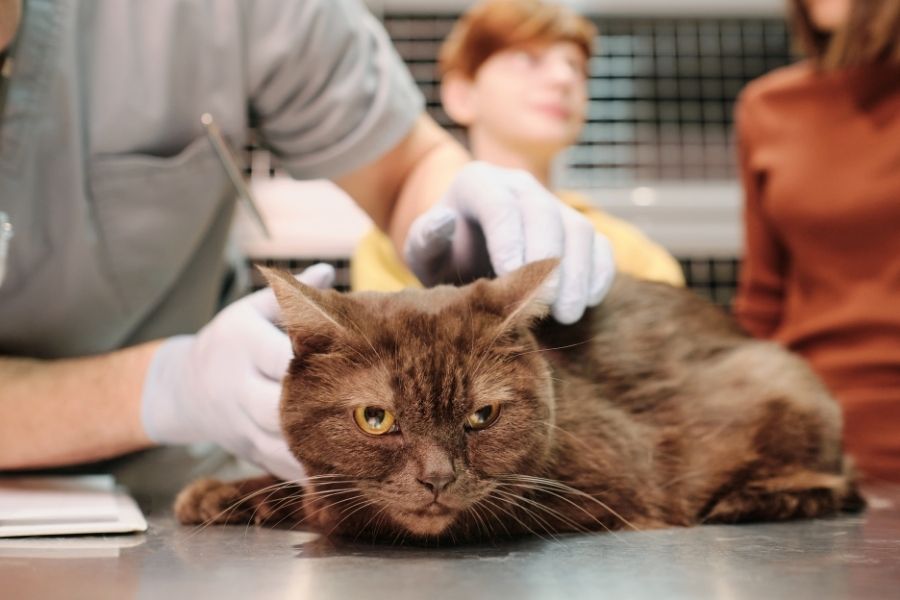
Pets rarely show obvious signs when something feels wrong internally. A dog may still wag its tail even as it develops liver concerns. A cat may continue eating normally despite early kidney changes. Many health conditions begin silently long before visible symptoms appear.
Annual blood work helps detect those hidden changes earlier, making treatment decisions easier and more effective. If you’re a pet owner in Alpharetta, Milton, Crabapple, Roswell, or nearby communities, this blog is especially for you. Understanding routine blood testing can help you make informed choices about your pet’s long-term health and daily comfort.
Routine Testing Reveals Changes Before Symptoms
Blood work is a vital part of diagnostic care, giving your animal care provider a closer look at how your pet’s body functions internally. Many diseases develop gradually, making yearly testing valuable even when pets appear healthy.
Small shifts in organ function can become easier to identify through regular screenings over time.
Conditions Often Found Through Blood Testing
- Kidney Disease: Early kidney changes may appear before increased thirst develops.
- Liver Concerns: Blood test results can indicate inflammation or reduced liver function.
- Diabetes: Elevated glucose levels may signal developing metabolic issues.
- Thyroid Imbalances: Hormone changes can affect weight, energy, and appetite.
- Anemia: Low red blood cell counts may indicate an underlying illness.
Early detection often supports simpler treatment plans and improved quality of life.
Annual Screening Supports Long-Term Wellness
Yearly blood testing creates a health baseline for your pet. Comparing current results with previous records helps identify trends that may otherwise go unnoticed.
Pets age faster than humans. One year can represent major internal changes, especially for senior dogs and cats.
Why Baseline Blood Values Matter
- Tracking Organ Function: Monitoring trends helps identify a gradual decline.
- Comparing Future Results: Previous tests make abnormalities easier to detect.
- Preparing For Procedures: Blood work helps evaluate safety before anesthesia.
- Monitoring Medications: Certain prescriptions require regular internal monitoring.
Routine screening often becomes more important after age seven, although younger pets also benefit from preventive testing.
Senior Pets Need Closer Internal Monitoring
Older pets face an increased risk of chronic disease, arthritis, hormonal disorders, and metabolic changes. Annual blood work helps monitor those age-related shifts before symptoms become severe.
Many senior animals continue acting normally while internal problems slowly progress.
Signs Often Linked to Hidden Conditions
- Increased Water Intake: Common with diabetes and kidney disease.
- Weight Changes: May indicate thyroid or digestive concerns.
- Reduced Energy Levels: Often connected to internal imbalance.
- Appetite Changes: Organ disease may affect eating habits.
- Frequent Urination: Sometimes linked to endocrine disorders.
A veterinarian may recommend testing every six months for aging pets with ongoing conditions.
Blood Tests Help Before Surgery Procedures
Pre-surgical blood work plays an important role before anesthesia. Testing helps identify hidden concerns that may affect recovery or medication safety.
Even routine procedures like spay and neuter surgeries benefit from pre-anesthetic screening.
Common Areas Evaluated Before Procedures
- Red Blood Cell Counts: Helps identify anemia or blood loss risks.
- White Blood Cell Levels: Elevated counts may suggest infection.
- Kidney Function Values: Important for medication processing.
- Liver Enzyme Levels: Helps evaluate metabolic health.
- Blood Sugar Levels: Important for anesthesia planning.
Your veterinarian uses those results to make safer decisions during procedures.
Indoor Pets Still Benefit From Blood Testing
Indoor pets often seem lower risk, yet internal disease does not depend on outdoor exposure alone. Genetics, age, diet, and underlying conditions can all influence organ health.
Cats especially tend to hide discomfort extremely well.
Health Monitoring Supports Everyday Preventive Care
Routine testing often works alongside:
- Pet Wellness Exams: Tracking overall physical health.
- Pet Dental Care: Evaluating Health Before Dental Procedures.
- Parasite Prevention: Supporting long-term internal wellness.
- Pet Diagnostic Services: Investigating symptoms more accurately.
Preventive pet care helps reduce emergency visits and unexpected medical complications later.
Many Pets Show Minimal Early Warning Signs
Animals naturally hide weakness as a survival instinct. Owners may not notice subtle changes until illness becomes advanced.
Blood work provides measurable information even when behavior appears normal.
Changes Owners Sometimes Overlook
- Sleeping Slightly More: Fatigue can develop gradually.
- Reduced Play Interest: Lower energy may indicate discomfort.
- Minor Appetite Differences: Small changes in eating matter over time.
- Slow Weight Loss: Gradual decline often goes unnoticed.
- Behavioral Shifts: Irritability or withdrawal may reflect illness.
A veterinarian often identifies concerns earlier when yearly testing becomes routine.
Small Tests Can Prevent Bigger Problems
Annual blood work supports better decision-making throughout every stage of your pet’s life. Early testing often helps detect internal changes before serious symptoms develop, giving your animal care provider more options for treatment and monitoring.
Regular screenings also help create clearer health records over time. Comparing yearly results makes subtle changes easier to identify while supporting safer procedures, medication planning, and long-term wellness management for both cats and dogs.
Staying Ahead Feels Better for Everyone
If you’re in Alpharetta, Milton, Crabapple, Roswell, and the surrounding areas searching for vets that provide bloodwork services near you, book an appointment with Milton Animal Hospital. Our team helps monitor your pet’s internal health through wellness testing, preventive screenings, diagnostic evaluations, and routine care designed around every life stage. Whether your pet needs yearly blood work, surgery preparation, or senior wellness support, we’re here to help guide you clearly through each visit.
FAQs
1. Why would healthy-looking pets still need blood work yearly?
Ans: Many illnesses develop silently before symptoms appear. Annual blood testing helps identify internal changes earlier, allowing treatment and monitoring before conditions become more serious or harder to manage.
2. Can blood work detect dehydration before visible symptoms appear?
Ans: Blood testing may reveal dehydration patterns through electrolyte changes and concentrated values, sometimes before owners notice excessive thirst, lethargy, or reduced appetite at home.
3. Does stress during appointments affect blood test results?
Ans: Stress can temporarily influence glucose levels and certain readings. Your veterinarian reviews the results carefully, considering behavior, medical history, and examination findings.
4. Why do older cats often need blood work twice yearly?
Ans: Senior cats experience more rapid internal changes affecting the kidneys, thyroid function, and metabolism. More frequent testing helps monitor progression and adjust treatment plans earlier.
5. Can blood testing help before pet dental procedures?
Ans: Pre-dental blood work evaluates organ health, infection risks, hydration levels, and anesthesia safety, helping your veterinarian plan safer dental treatment and recovery support.
Related Articles