12460 Crabapple Rd #103, Alpharetta, GA 30004

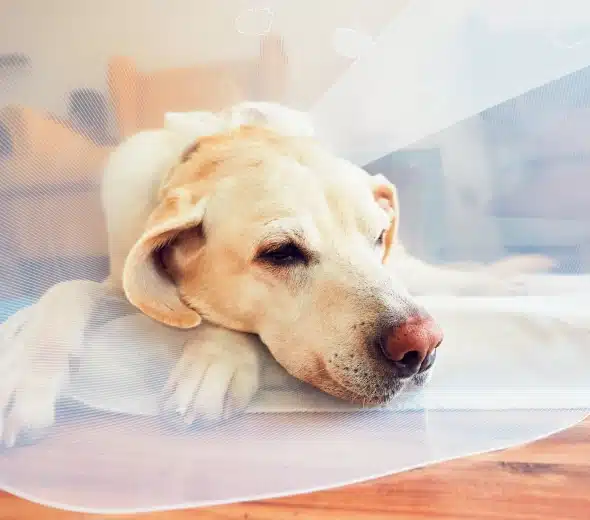
Emergency Surgical Care When Your Pet Needs It Most
Life-threatening conditions require immediate surgical intervention. At Milton Animal Hospital, our advanced surgery center is fully equipped with state-of-the-art surgical facilities and staffed by experienced veterinary surgeons trained in emergency procedures. We understand that surgical emergencies are frightening and time-sensitive. Our team prioritizes rapid assessment, clear communication, and expert care to give your pet the best possible outcome. The surgical team bring years of specialized experience to every emergency case that walks through our doors.
Emergency Surgeries We Provide
- Splenectomy (Splenic Removal): Emergency removal of a ruptured or diseased spleen to stop life-threatening internal bleeding.
- Foreign Body Surgery: Rapid removal of ingested objects from the stomach or intestines using advanced imaging and surgical precision.
- GDV (Gastric Dilatation-Volvulus): Emergency treatment for bloat, including stomach correction and gastropexy to prevent recurrence.
- Trauma Surgery: Comprehensive surgical repair for hit-by-car injuries, lacerations, internal injuries, and fractures.
- Acute Abdominal Emergencies: Expert surgical intervention for ruptured bladder, internal bleeding, intestinal perforation, and other critical conditions.
What to Expect From the Emergency Surgery Process
- Rapid Assessment: Upon arrival, we perform a quick physical exam and determine if emergency surgery is necessary
- Advanced Diagnostic Imaging: Our hospital is equipped with high-quality digital X-ray and ultrasound technology, allowing us to quickly evaluate injuries and internal disease. For complex cases, we can consult with a board-certified veterinary radiologist for expert interpretation, helping us provide the highest level of care.
- Pre-Surgical Stabilization: IV fluids, pain medication, and oxygen support prepare your pet for surgery
- Surgical Intervention: Our team performs the necessary procedure using sterile technique and advanced surgical methods
- Recovery Monitoring: Post-operative care includes pain management, wound monitoring, and supportive care
- Discharge & Aftercare: We provide clear instructions for home care and schedule follow-up appointments
Post-Operative Recovery & Home Care Instructions
The first 24 to 48 hours after emergency surgery are critical for your pet's recovery. We provide detailed discharge instructions covering pain management, activity restrictions, wound care, nutrition, and when to contact us with concerns. Most pets require strict rest, this means limiting movement, avoiding stairs, and preventing jumping or running for at least 10 to 14 days after surgery.
Pain management is essential for comfort and proper healing. We send home prescription pain medication and provide clear dosing instructions. Watch for signs of adequate pain control: your pet should be eating, comfortable when resting, and gradually becoming more active.
We schedule follow-up appointments to monitor healing and remove sutures if necessary, typically 10 to 14 days post-surgery. Nutrition is important, but some pets experience nausea after anesthesia; we recommend offering small amounts of food and water initially, then gradually returning to normal feeding.
Your Pet's Emergency Is Our Priority
When your pet faces a surgical emergency during business hours, you need a team you can trust, one with the expertise, equipment, and compassion to act quickly and decisively. At Milton Animal Hospital, that's exactly what you get. Our surgical team have dedicated their careers to providing exceptional emergency care. We understand that these moments are terrifying for pet owners.
If your pet is showing signs of a surgical emergency during our business hours, contact Milton Animal Hospital immediately. Don't hesitate to call us with questions, we'd rather answer a question than have you worry at home.