12460 Crabapple Rd #103, Alpharetta, GA 30004

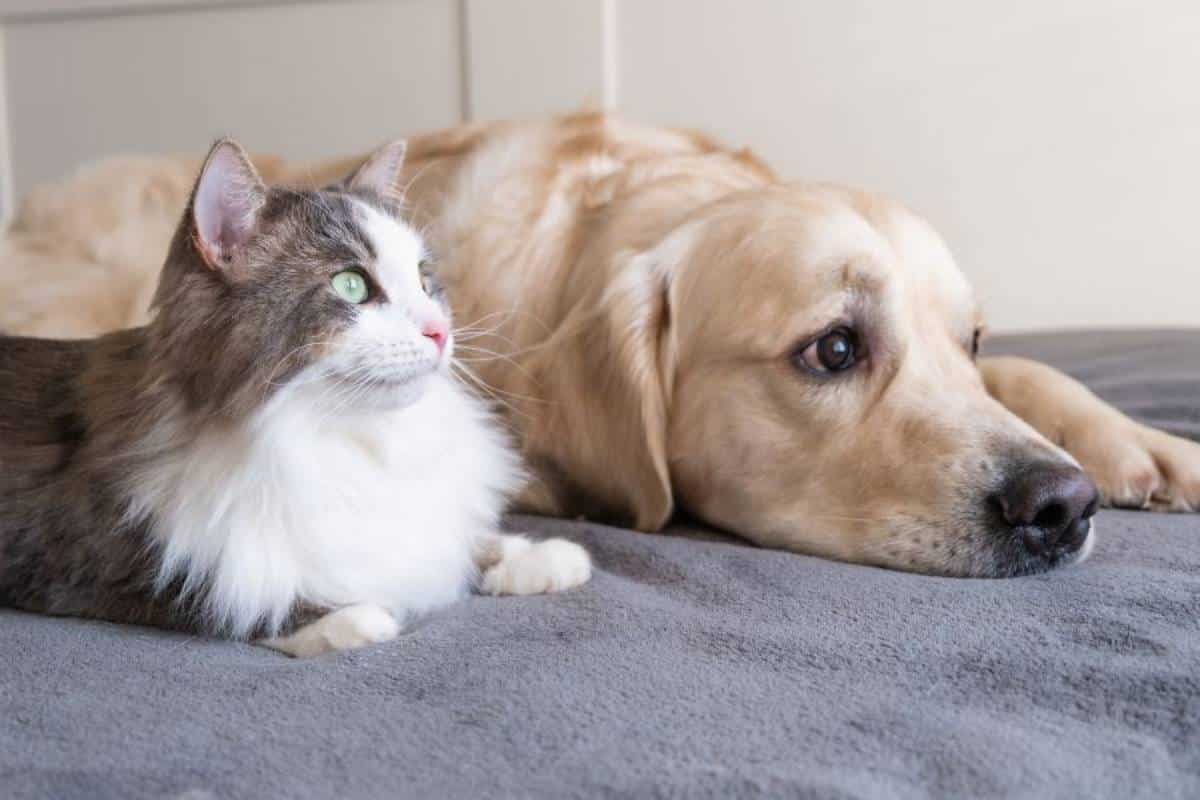
Keeping your home clean is an important part of protecting your family’s health, but if you have pets, some everyday cleaning products may do more harm than good. Dogs and cats spend much of their time close to the floor, lick their paws after walking across freshly cleaned surfaces, and may even chew or investigate cleaning supplies left within reach. Because of these habits, they can be exposed to chemicals that many people don’t realize are hazardous.
Understanding which household cleaners are unsafe and choosing safer alternatives can help reduce unnecessary health risks for your furry companions. If your pet accidentally comes into contact with a harmful substance, knowing the warning signs and seeking prompt veterinary care can make a significant difference.
Whether you’re a new pet owner or have cared for animals for years, this guide explains five common cleaning products that aren’t pet-safe, safer substitutes to consider, and practical cleaning habits to protect your pets at home.
Why Pet-Safe Cleaning Matters
Many cleaning products contain chemicals designed to remove grease, eliminate bacteria, or dissolve tough stains. While effective for household cleaning, these ingredients may irritate your pet’s skin, eyes, nose, mouth, or digestive system if they’re inhaled, touched, or swallowed.
Pets are especially vulnerable because they:
- Walk directly on recently cleaned floors.
- Groom themselves by licking their paws and fur.
- Explore their surroundings with their noses and mouths.
- Have smaller body sizes, making chemical exposure more significant.
Even products labeled “natural” or “green” may contain ingredients that are unsafe for certain pets. Reading labels carefully and following product directions is always important.
1. Bleach-Based Cleaners
Bleach is commonly used to disinfect kitchens, bathrooms, and laundry areas. While highly effective at killing germs, bleach can be dangerous for pets if not handled properly.
Potential Risks
Exposure may occur when pets:
- Walk on wet surfaces.
- Drink contaminated water.
- Inhale concentrated fumes.
- Lick bleach residue from floors or furniture.
Possible symptoms include:
- Excessive drooling
- Vomiting
- Difficulty breathing
- Eye irritation
- Paw irritation
- Mouth burns
Even diluted bleach solutions can cause problems if pets come into direct contact before surfaces are completely dry.
Safer Alternative
Instead of bleach for everyday cleaning, consider:
- Mild pet-safe cleaning products
- Warm water with gentle dish soap (used appropriately)
- Veterinary-approved disinfectants designed for homes with pets
Always allow cleaned surfaces to dry completely before allowing your pet back into the area.
2. Ammonia-Based Glass and Surface Cleaners
Many window and multi-surface cleaners contain ammonia, which produces strong fumes that may irritate pets.
Why It’s a Concern
Dogs and cats have sensitive respiratory systems. Strong ammonia vapors may contribute to:
- Sneezing
- Coughing
- Watery eyes
- Nasal irritation
- Respiratory discomfort
Pets may also lick recently cleaned windowsills or surfaces, increasing exposure.
Better Choices
Pet owners often choose:
- Vinegar diluted with water for glass cleaning
- Pet-safe commercial glass cleaners
- Microfiber cloths that require little or no cleaning solution
If using any commercial cleaner, ventilate your home well before allowing pets back into the cleaned space.
3. Phenol-Based Disinfectants
Certain disinfectants contain phenols, ingredients that can be particularly dangerous for cats because they process these chemicals differently than humans and dogs.
Why Cats Are Especially Sensitive
Phenol exposure may affect a cat’s:
- Liver
- Nervous system
- Skin
Possible signs include:
- Weakness
- Drooling
- Tremors
- Difficulty walking
- Reduced appetite
Dogs can also experience irritation or illness after exposure.
Pet-Friendly Alternatives
Choose disinfectants specifically labeled as safe for households with pets. Products recommended by veterinary professionals often provide effective cleaning while reducing unnecessary risks.
Always follow label instructions and never mix cleaning chemicals together.
4. Toilet Bowl Cleaners
Toilet cleaners frequently contain concentrated acids or bleach that remain inside the bowl after cleaning.
Hidden Dangers
Curious pets may:
- Drink from the toilet
- Lick chemical residue
- Walk through spilled cleaner
Ingestion can cause:
- Mouth irritation
- Vomiting
- Stomach upset
- Chemical burns in severe cases
Safer Habits
Reduce risk by:
- Keeping toilet lids closed.
- Preventing pets from entering bathrooms during cleaning.
- Flushing thoroughly after using toilet cleaning products.
- Wiping away any spills immediately.
Simple precautions can significantly reduce accidental exposure.
5. Floor Cleaners and Multi-Purpose Cleaners
Floor cleaners are among the most common sources of chemical exposure because pets spend so much time walking, lying, and playing on floors.
Why Floors Matter
Even after a floor appears dry, small amounts of cleaner may remain on the surface.
Pets can absorb chemicals through:
- Paw pads
- Grooming after walking
- Contact with bedding placed on cleaned floors
Some concentrated cleaners may cause:
- Paw irritation
- Skin redness
- Upset stomach
- Eye irritation
Safer Cleaning Options
Consider:
- Pet-safe floor cleaning solutions
- Steam cleaning when appropriate
- Warm water with a gentle pet-safe cleaner
Allow adequate drying time before letting pets return to cleaned areas.
Everyday Cleaning Tips to Keep Pets Safe
Creating a pet-friendly cleaning routine doesn’t require replacing every product in your home. Small changes can greatly reduce risk.
Some practical safety tips include:
- Store all cleaning supplies in secure cabinets.
- Never leave buckets of cleaning solution unattended.
- Read ingredient labels before purchasing cleaners.
- Keep pets in another room while cleaning.
- Open windows or improve ventilation.
- Wash your pet’s bedding with mild, fragrance-free detergents when possible.
- Wipe your pet’s paws if they accidentally walk across freshly cleaned surfaces.
- Avoid spraying cleaners directly around food bowls, toys, or litter boxes.
Making these habits part of your routine helps maintain a clean home while protecting your pet’s health.
Signs Your Pet May Have Been Exposed to a Harmful Cleaner
Not every exposure causes immediate illness, but it’s important to recognize symptoms that deserve prompt attention.
Watch for:
- Excessive drooling
- Vomiting
- Diarrhea
- Difficulty breathing
- Coughing
- Red or irritated eyes
- Paw licking
- Skin redness
- Tremors
- Unusual tiredness
- Loss of appetite
If you notice any of these signs after using household cleaners, remove your pet from the area immediately and contact a veterinary professional for guidance.
Avoid trying home remedies unless instructed by a veterinarian, as some treatments may worsen the situation.
Choosing Pet-Safe Cleaning Products
When shopping for household cleaners, look for products that:
- Clearly state they are safe for pets when used as directed.
- Avoid harsh chemicals when possible.
- Include clear usage instructions.
- Leave minimal residue after cleaning.
- Are appropriate for the surfaces in your home.
Remember that “natural” doesn’t always mean safe for every animal. Essential oils and botanical ingredients may still be harmful to certain pets, particularly cats.
When in doubt, ask your veterinarian which products are appropriate for your household.
Protecting Pets in Alpharetta Homes
Busy households often rely on multiple cleaning products throughout the week. Whether you’re cleaning after muddy paws, shedding season, or everyday messes, selecting pet-conscious products is an easy way to support your companion’s long-term health.
Pet owners searching for a trusted veterinary clinic Alpharetta can also benefit from discussing household safety during routine wellness visits. Your veterinarian can answer questions about accidental toxin exposure, recommend preventive measures, and help you respond quickly if your pet comes into contact with a hazardous substance.
If you’re looking for an animal hospital near you in Alpharetta, it’s helpful to have a trusted veterinary team available whenever concerns arise.
Partner With Milton Animal Hospital for Your Pet’s Health
Accidents can happen even in the most careful homes. If you believe your pet has been exposed to a potentially harmful cleaning product or you’re concerned about unusual symptoms, professional veterinary evaluation is always the safest choice.
The experienced team at Milton Animal Hospital is committed to helping pets in Alpharetta stay healthy through compassionate, comprehensive care. If you have questions about household toxins or your pet’s overall well-being, schedule for an appointment with our team to receive personalized guidance and support.
Frequently Asked Questions
1. What household cleaner is most dangerous for pets?
Ans: Bleach, phenol-based disinfectants, concentrated toilet bowl cleaners, ammonia-based products, and certain floor cleaners are among the most common household products that can be harmful to pets if inhaled, swallowed, or touched.
2. Can pets walk on floors after they’ve been cleaned?
Ans: Only after the floor has completely dried and the product has been used according to the manufacturer’s instructions. Wet surfaces increase the risk of chemical exposure through your pet’s paws and grooming.
3. Are natural cleaning products always safe for pets?
Ans: No. Some natural ingredients, including certain essential oils and plant-based compounds, can still be toxic to dogs or cats. Always read product labels carefully before use.
4. What should I do if my pet licks a cleaning product?
Ans: Remove your pet from the source of exposure, prevent further licking if possible, and contact a veterinary professional immediately. Do not induce vomiting unless specifically instructed by a veterinarian.
5. How can I reduce my pet’s exposure to household cleaners?
Ans: Store cleaning supplies securely, keep pets away during cleaning, allow surfaces to dry completely, ventilate your home, and choose products labeled as pet-safe whenever possible.
6. When should I contact a veterinarian after chemical exposure?
Ans: Seek veterinary advice right away if your pet develops vomiting, excessive drooling, breathing difficulties, tremors, weakness, eye irritation, or any unusual behavior after coming into contact with a cleaning product.