12460 Crabapple Rd #103, Alpharetta, GA 30004

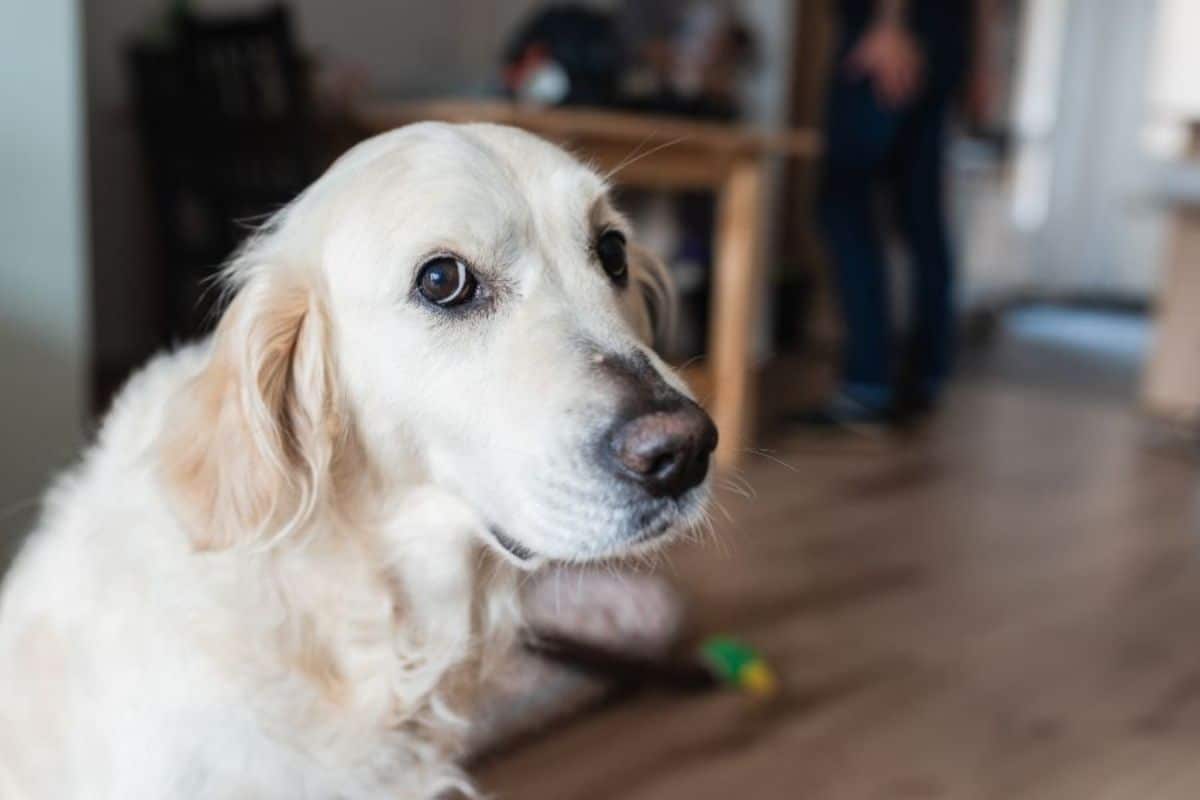
Dogs and cats explore the world with their mouths. A sock left on the floor, a corn cob from last night’s dinner, a stray hair tie, a stick picked up at Big Creek Greenway, or a toy chewed a little too enthusiastically can all become more than just a mess to clean up. When a pet swallows something that cannot pass through the digestive tract on its own, it becomes what veterinarians call a gastrointestinal foreign body, and it can quickly turn into a life-threatening emergency.
Our veterinary team sees foreign body cases more often than most pet owners expect. Between the wooded trails of Alpharetta, the open green spaces around Roswell, and the everyday temptations found in every home, curious pets in Crabapple, Milton, Wills Park, and the surrounding North Fulton County communities are constantly at risk of swallowing something they shouldn’t. In this blog, we’ll walk you through what a foreign body obstruction is, how to recognize the warning signs, what pet surgery involves, and how our team supports your pet through recovery.
What Is a Foreign Body Obstruction?
A foreign body obstruction occurs when an object a pet has swallowed becomes lodged somewhere in the gastrointestinal tract, most commonly the stomach or small intestine. Some objects pass through without issue, but many do not, especially items that are long, sharp, or too large to move through the intestines naturally.
Common culprits our veterinarians remove include:
● Socks, underwear, and other fabric items
● Children’s toys and small household objects
● Corn cobs, peach pits, and other food remnants
● String, yarn, ribbon, or dental floss (especially dangerous in cats)
● Bones and rawhide fragments
● Rocks and sticks picked up outdoors
● Portions of chewed-up dog toys or squeakers
Linear foreign bodies, such as string or yarn, are particularly concerning because one end can anchor itself in the stomach or under the tongue while the rest of the material is pulled through the intestines. This can cause the intestines to bunch together and, in severe cases, tear, leading to a life-threatening abdominal infection.
Recognizing the Warning Signs
Because pets cannot tell us what they’ve eaten, it’s important for owners in Alpharetta and beyond to recognize the signs of a possible obstruction early. Symptoms can vary depending on the location and size of the object, but the most common signs include:
● Repeated vomiting, especially after eating or drinking
● Loss of appetite or complete refusal to eat
● Lethargy or noticeable weakness
● Abdominal pain, bloating, or a hunched posture
● Straining to defecate or absence of bowel movements
● Drooling excessively
● Visible distress or restlessness
If you notice any of these symptoms, especially if you know or suspect your pet has swallowed something unusual, it’s important to contact our team right away. Foreign body obstructions can worsen quickly, and early intervention often means a simpler procedure and a smoother recovery.
How We Diagnose a Foreign Body
When you bring your pet to Milton Animal Hospital with symptoms of a possible obstruction, our veterinarians begin with a thorough physical examination. From there, we typically rely on a combination of diagnostic tools to confirm what’s going on and determine the safest course of action:
X-rays (Radiographs): Many foreign bodies, particularly metal, bone, or dense material, are visible on X-rays. This is often our first step in identifying an obstruction and its location.
Abdominal Ultrasound: For objects that don’t show up clearly on X-ray, such as certain fabrics or plastics, ultrasound imaging allows our team to examine the intestines in greater detail and look for signs of blockage or bunching.
Bloodwork: Lab work helps us assess your pet’s overall health, check for signs of infection or dehydration, and make sure they are stable enough for anesthesia if surgery is needed.
In some cases, if the object is small and has already moved into the intestines without causing a blockage, we may recommend monitoring your pet closely at home with repeat imaging. However, if there are signs of a true obstruction, surgery is often the safest and most effective path forward.
What Foreign Body Surgery Involves
Foreign body removal is a soft tissue surgery, and our team approaches every procedure with the same level of care, precision, and attentiveness we bring to all surgical cases at Milton Animal Hospital.
Pre-Surgical Preparation: Before surgery, we run bloodwork and any necessary imaging to confirm your pet is a good candidate for anesthesia. We also stabilize your pet with IV fluids as needed, particularly if they are dehydrated or have been vomiting.
The Procedure: Once your pet is under general anesthesia, our veterinary surgeon makes an incision into the abdomen (a procedure called an exploratory laparotomy) to locate the object. Depending on where it is lodged, the object may be removed through a small incision in the stomach or intestine. If any tissue has been damaged by the obstruction, that section may need to be carefully repaired or, in more serious cases, removed.
Anesthesia Monitoring: Throughout the procedure, our team closely monitors your pet’s vital signs using advanced technology, ensuring your companion remains safe and stable from induction through recovery.
Pain Management: Comfort is central to how we approach every surgery. Your pet will receive a multi-stage pain management plan that begins before surgery and continues through recovery, so they can heal without unnecessary discomfort.
Recovery After Foreign Body Surgery
Recovery time varies depending on the severity of the obstruction and the extent of the surgery, but most pets begin to feel like themselves again within one to two weeks. After surgery, you can expect:
● A short hospital stay for monitoring, especially if the intestines required repair
● Pain medication and, in some cases, antibiotics to prevent infection
● A gradual reintroduction to food, often starting with a bland or prescription diet
● An e-collar or recovery suit to prevent licking or chewing at the incision
● Restricted activity, including no running, jumping, or rough play until fully healed
● A follow-up appointment to check the incision and confirm proper healing
Our team will send you home with clear, detailed instructions on what to watch for and when to reach out, so you always know how to support your pet’s recovery with confidence.
Preventing Future Foreign Body Emergencies
While not every incident can be prevented, especially with particularly curious or food-motivated pets, there are steps Alpharetta pet owners can take to reduce the risk:
● Keep small objects, string, and food scraps out of reach
● Choose age and size-appropriate toys, and inspect them regularly for damage
● Supervise outdoor time at parks and trails where pets may pick up sticks or debris
● Secure trash cans and avoid leaving food unattended
● Contact us promptly if you notice your pet chewing on or swallowing something unusual
If you’re ever unsure whether something your pet ate warrants a visit, it’s always better to call. Our team would rather examine your pet and find nothing wrong than have you wait during a true emergency.
What Our Clients Say
When facing surgery, hearing from other pet owners can provide reassurance and confidence. Here’s what one client shared about their experience with the surgical team at Milton Animal Hospital:
“I cannot say enough wonderful things about Dr. Gholston and the entire MAH staff for the exceptional care they provided to our Sadie Lou during her recent TPLO surgery. We found out on a Monday that she had torn her CCL, and by Thursday she was already in surgery, which gave us tremendous peace of mind knowing she was receiving prompt, expert care.
Dr. Gholston’s skill, knowledge, compassion, and genuine passion for veterinary medicine continue to give us complete confidence in trusting him with both our pets’ routine care and highly specialized procedures like TPLO surgery. The follow-up care was equally outstanding—someone checked on Sadie Lou the very next day and again several days later to make sure her recovery was progressing well.
Dr. Gholston and his team make Sadie Lou feel like she is one of their own pets, and that level of kindness and dedication is truly priceless. We are beyond grateful for everyone at MAH and would recommend Dr. Gholston and his staff without hesitation to anyone looking for outstanding veterinary care.”
— Melissa J. Rose, M.Ed., CCC-SLP
Speech-Language Pathologist
Mobility Physical Therapy
Trusted Surgical Care in Alpharetta
At Milton Animal Hospital, we understand how frightening it can be to learn your pet needs surgery, especially in an emergency situation. Our experienced veterinary team is equipped with modern surgical technology, advanced anesthesia monitoring, and a genuine commitment to compassionate care for every step of your pet’s journey, from diagnosis to full recovery.
If your pet is showing signs of a foreign body obstruction, don’t wait. Contact Milton Animal Hospital at (770) 526-2750 or book an appointment online to get your companion the urgent care they need.
Frequently Asked Questions
1. How quickly does a foreign body obstruction become an emergency?
Ans: This can happen within hours to a couple of days, depending on the object and its location. Sharp objects, linear items like string, or complete blockages tend to progress faster and require immediate attention. If your pet is vomiting repeatedly, refusing food, or acting lethargic, contact us right away rather than waiting to see if symptoms improve.
2. Can my pet pass a foreign body without surgery?
Ans: Sometimes, yes. Small, smooth objects can occasionally pass through the digestive tract on their own, and in these cases, we may recommend monitoring with follow-up X-rays. However, larger, sharp, or linear objects, or any object causing a true blockage, typically require surgical removal to prevent serious complications like a ruptured intestine.
3. What are the risks if a foreign body isn’t treated promptly?
Ans: Untreated obstructions can cause tissue death in the intestines, perforation, and life-threatening abdominal infection (peritonitis). The longer an obstruction goes untreated, the higher the risk of complications and the more extensive the surgery may become.
4. How can I tell if my pet swallowed something dangerous if I didn’t see it happen?
Ans: Watch for repeated vomiting, loss of appetite, lethargy, abdominal discomfort, or straining without producing stool. If you notice chewed-up toys, missing household items, or these symptoms together, it’s worth scheduling an exam and possibly imaging to check for an obstruction.
5. How long will my pet need to stay at the hospital after foreign body surgery?
Ans: Many pets go home the same day or the next day, depending on how the surgery went and how quickly they stabilize. Pets with more extensive intestinal repair may need a longer hospital stay for monitoring. Our team will give you a clear timeline based on your pet’s specific procedure and recovery.
Related Articles