12460 Crabapple Rd #103, Alpharetta, GA 30004

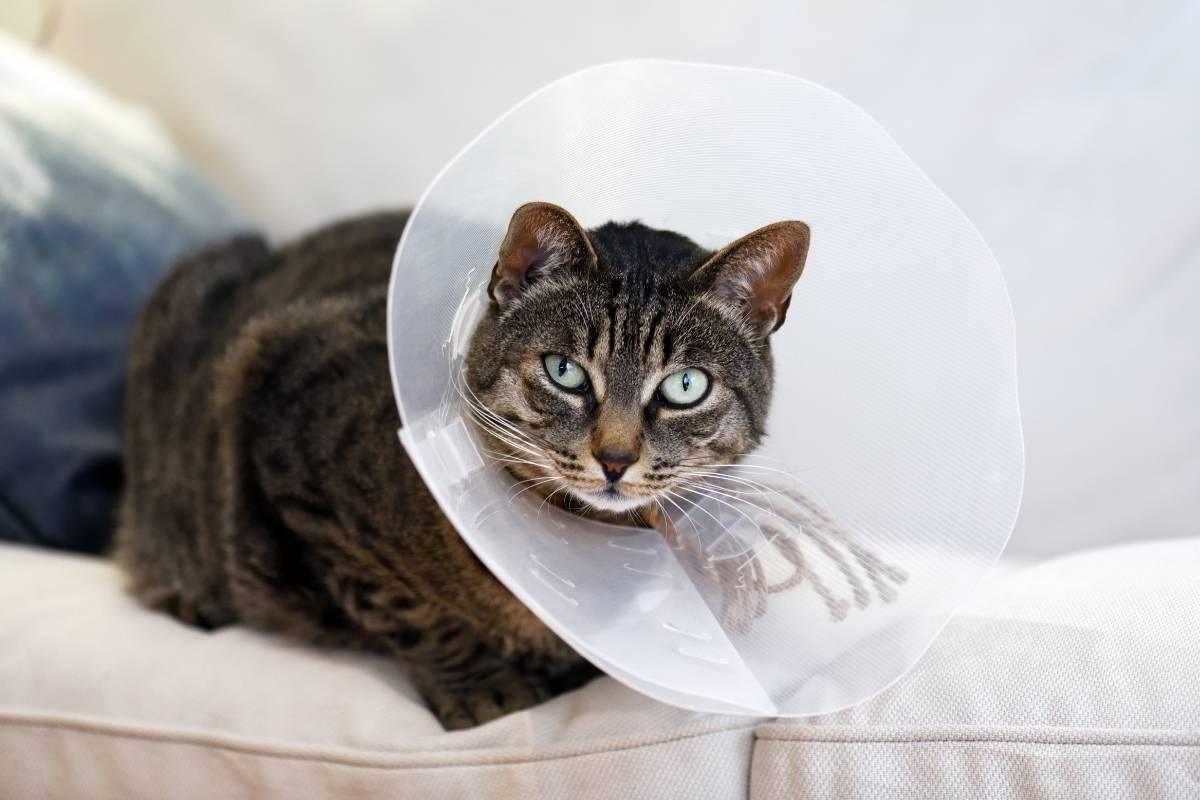
Recovering from surgery can be a delicate time for your cat, and proper aftercare plays a major role in ensuring a smooth and safe healing process. Whether your cat has undergone a routine spay, dental procedure, or a more complex operation, attentive home care can prevent complications and speed up recovery.
At Milton Animal Hospital, we provide trusted veterinary surgery services and comprehensive post-operative guidance to help pets heal comfortably. Based in Alpharetta, we also welcome patients from Roswell and surrounding areas, offering reliable care as a dedicated vet for pets in our community.
Below are 10 essential tips to help you care for your cat after surgery.
1. Create a Calm and Comfortable Recovery Space
Your cat needs a quiet, warm, and low-stress environment after surgery. Set up a separate room away from loud noises, other pets, and heavy household activity.
Use soft bedding and ensure the space is easy to access without jumping or climbing, especially after abdominal or orthopedic procedures. Stress-free surroundings significantly improve healing.
2. Monitor the Surgical Site Daily
Checking the incision site is one of the most important parts of post-surgical care. Look for:
- Redness or swelling
- Discharge or bleeding
- Foul odor
- Excessive licking or biting
A healthy incision should appear clean and gradually improve each day. If you notice anything unusual, contact your vet immediately.
3. Prevent Licking and Scratching
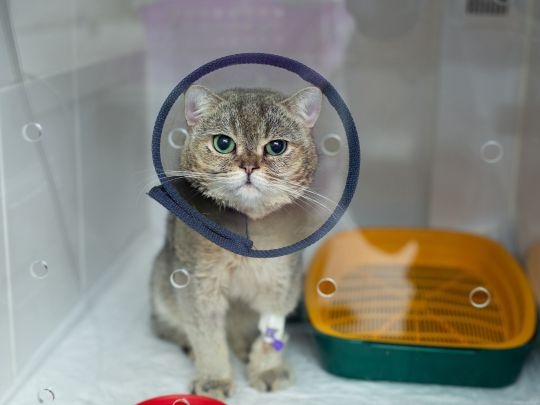
Cats naturally try to lick or bite their wounds, which can lead to infection or reopening of stitches. Your veterinarian may recommend:
- An Elizabethan collar (E-collar)
- Surgical recovery suits
- Protective bandaging
Make sure your cat cannot access the surgical area until it is fully healed.
4. Follow Medication Instructions Carefully
Pain relief and antibiotics (if prescribed) must be given exactly as directed. Do not skip doses or stop medication early, even if your cat seems fine.
Proper medication management helps reduce pain, prevent infection, and promote faster recovery after veterinary surgery Alpharetta procedures.
5. Limit Physical Activity
After surgery, your cat should avoid jumping, running, or rough play. Overactivity can strain stitches or slow healing.
Keep your cat indoors and restrict access to furniture or stairs if possible. Most cats require 7–14 days of reduced activity depending on the procedure.
6. Encourage Proper Nutrition and Hydration
Appetite may be reduced for the first 24 hours after surgery, which is normal. However, your cat should begin eating and drinking soon after.
Offer:
- Small, frequent meals
- Easily digestible food
- Fresh, clean water at all times
If your cat refuses food for more than 24–48 hours, consult your veterinarian.
7. Watch for Warning Signs
While mild fatigue is normal, certain symptoms require immediate veterinary attention:
- Persistent vomiting or diarrhea
- Severe lethargy or collapse
- Bleeding from incision
- Loss of appetite beyond 48 hours
- Difficulty breathing
If you notice any of these, contact Milton Animal Hospital right away.
8. Keep Follow-Up Appointments
Post-surgical checkups are essential for ensuring proper healing. Your veterinarian may need to:
- Remove stitches or staples
- Evaluate healing progress
- Adjust medications if necessary
Always book an appointment for follow-up care as recommended by your vet.
9. Maintain a Clean Environment
Cleanliness helps prevent infection. Wash your cat’s bedding regularly and keep litter boxes clean and accessible.
If your cat has difficulty using the litter box after surgery, try a low-sided tray for easier access. Hygiene is especially important during recovery.
10. Be Patient and Provide Comfort
Every cat heals at a different pace. Some may recover quickly, while others need more time. Offer gentle reassurance, calm handling, and minimal disruption.
Your support plays a big role in emotional recovery as well as physical healing.
Why Post-Surgical Care Matters
Proper aftercare ensures that surgical procedures achieve their intended results without complications. Whether it’s a routine spay/neuter or a more advanced procedure performed under veterinary surgery Alpharetta services, recovery care is just as important as the surgery itself.
At Milton Animal Hospital, our team is committed to guiding pet owners through every stage of healing with expert support and compassionate care.
Trusted Veterinary Care in Alpharetta and Surrounding Areas
As a dedicated Alpharetta vet, Milton Animal Hospital proudly serves pets in Alpharetta, Roswell, and nearby communities. We believe every pet deserves high-quality medical attention and attentive post-surgical support.
If your cat has recently undergone surgery or is scheduled for a procedure, our veterinary team is here to help you every step of the way. Simply book an appointment with us for personalized guidance and care.
Frequently Asked Questions
1. How long does it take for a cat to recover after surgery?
Ans: Most cats recover within 7–14 days for minor surgeries. More complex procedures may require a longer healing period depending on your veterinarian’s recommendations.
2. Can my cat eat normally after surgery?
Ans: Yes, but appetite may be reduced for the first day. Offer small, light meals and ensure fresh water is available. If your cat refuses food for more than 48 hours, contact your vet.
3. What should I do if my cat licks the surgical site?
Ans: Use an Elizabethan collar or recovery suit immediately. Excessive licking can lead to infection or reopening of stitches.
4. When should I contact a vet after surgery?
Ans: Contact your vet if you notice swelling, bleeding, discharge, severe lethargy, or loss of appetite lasting more than 48 hours.
5. Can my cat jump after surgery?
Ans: No. Jumping and running should be restricted for at least 1–2 weeks, depending on the type of surgery, to prevent strain on the incision.
6. Do I need a follow-up visit after surgery?
Ans: Yes. Follow-up visits are essential for monitoring healing, removing stitches if needed, and ensuring your cat is recovering properly. Always book an appointment as advised.
Related Articles