12460 Crabapple Rd #103, Alpharetta, GA 30004

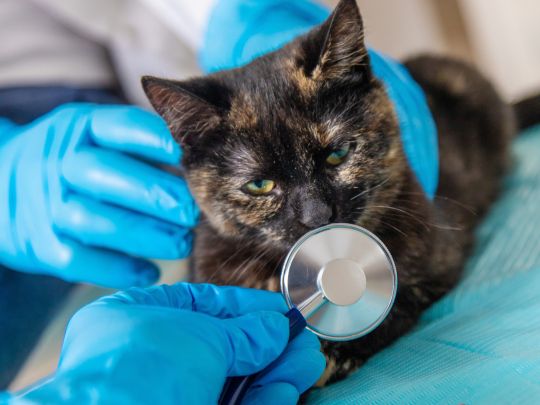
Cats are remarkably good at hiding discomfort, including pain inside their mouths. A cat with a painful tooth may continue eating, playing, and interacting normally at first. Therefore, small changes in behavior can provide important clues about an underlying dental problem.
Dental pain may develop from periodontal disease, damaged teeth, infections, or other oral conditions. Recognizing warning signs early can help protect your cat from prolonged discomfort and worsening dental disease.
We understand how concerning subtle changes in your cat can feel. Our veterinary team provides cat dental care with your cat’s comfort and health in mind. Thus, if you are in Alpharetta and find your cat is in toothache
How Can You Tell If Your Cat Has a Toothache?
Cats rarely make dental discomfort obvious. Instead, they may quietly change how they eat, groom, play, or interact with family members.
A cat experiencing oral pain may also avoid having its face touched. Others may become withdrawn or unusually irritable. These seven warning signs can help you recognize when your cat’s mouth needs veterinary attention.
Persistent Bad Breath
A cat’s breath should not have a consistently strong or unpleasant odor.
Persistent bad breath can develop when plaque and tartar accumulate around the teeth. Gum inflammation and oral infections can also produce an unpleasant smell.
Bad breath should not simply be considered a normal part of your cat getting older. It deserves attention, especially when accompanied by red gums, eating changes, or visible tartar.
A veterinary dental examination can help identify what is causing the odor.
Eating Differently
Changes around the food bowl can provide important clues about dental pain.
Your cat may approach food eagerly but suddenly stop eating. Some cats prefer softer foods because chewing hard kibble becomes uncomfortable.
You might also notice your cat chewing on only one side of the mouth. Food may fall from their mouth while they attempt to eat.
Reduced food intake can have several causes and should never be ignored. A veterinary examination can determine whether dental pain is contributing to the problem.
More Drooling Than Usual
Occasional moisture around the mouth may not indicate a dental problem. However, excessive or new drooling deserves closer attention. Dental inflammation, painful teeth, or oral disease may make swallowing uncomfortable. Some cats may develop thick or stringy saliva when their mouths hurt.
You might notice wet fur around the chin or chest. Blood-tinged saliva can also occur with certain dental problems. Contact your veterinarian when unexplained drooling develops, particularly alongside appetite or behavioral changes.
Pawing at the Mouth or Face
A painful tooth can cause cats to rub or paw at their faces. You may notice repeated scratching around the cheek or mouth. Your cat might also rub their face against furniture more frequently.
These behaviors do not always indicate dental disease. However, repeated face pawing combined with other oral symptoms warrants veterinary attention.
Avoid trying to examine a painful mouth forcefully at home. Even gentle cats may react defensively when an area hurts.
Has Red, Swollen, or Bleeding Gums
Healthy gums generally should not appear severely inflamed or bleed easily. Redness along the gumline may indicate gingivitis or periodontal disease. Swelling around an individual tooth can also suggest a localized dental problem.
You may occasionally notice blood on a toy or near the food bowl. These findings should not be dismissed. Regular dental examinations help veterinarians identify gum disease before significant discomfort or tooth loss develops.
Becomes Quiet, Irritable, or Withdrawn
Dental pain does not always produce obvious symptoms inside the mouth. Your normally social cat may begin hiding under furniture or avoiding family interactions. Another cat may become irritable when someone touches their head.
You might also notice less interest in toys, grooming, or normal household activities. These behavioral changes can have many medical causes. However, oral pain should remain one possibility when a cat’s personality suddenly changes.
Your Cat Has Trouble Grooming
Grooming requires cats to use their mouths repeatedly. A painful tooth can make this normal behavior uncomfortable. Your cat’s coat may gradually appear greasy, tangled, or less maintained. Older cats may show these changes more noticeably.
Reduced grooming does not automatically indicate dental disease. Arthritis, illness, obesity, and other conditions can also affect grooming habits. A veterinary evaluation can help determine why your cat’s normal routine has changed.
What Dental Problems Can Cause Tooth Pain in Cats?
Several oral conditions can make chewing, grooming, or opening the mouth uncomfortable. Periodontal disease develops when plaque, tartar, inflammation, and infection affect tissues supporting the teeth. Without treatment, affected teeth can become painful or unstable.
Cats can also experience damaged teeth, infections, and tooth resorption. Tooth resorption involves progressive destruction of tooth structure and can cause significant discomfort.
Dental problems may also exist below the gumline, where owners cannot see them. That is why professional cat dentistry may include dental X-rays when appropriate. It helps identify hidden concerns involving tooth roots and surrounding structures.
What Happens During a Veterinary Dental Evaluation?
Your veterinarian will begin by reviewing your cat’s health history and current symptoms. An oral examination can identify visible tartar, gum inflammation, damaged teeth, or other abnormalities. Further dental assessment may be recommended based on those findings.
Milton Animal Hospital offers dental examinations, professional cleanings, periodontal care, dental X-rays, and extractions when necessary. Professional dental procedures generally require anesthesia for a thorough examination and cleaning.
During cleaning, plaque and tartar are removed through scaling. The teeth are then polished to create smoother surfaces.
If a tooth is severely damaged or causing discomfort, extraction may sometimes provide the most appropriate treatment.
Can You Prevent Dental Pain in Cats?
Preventive care can reduce dental disease risks and help problems get identified sooner. Regular veterinary examinations provide opportunities to assess your cat’s teeth and gums. Your veterinarian can recommend professional cleanings based on your cat’s individual oral health.
Home care also plays an important role between veterinary visits. Cat-safe toothbrushing can help control plaque when your cat tolerates it. Never use human toothpaste for your cat. Ask your veterinary team about appropriate dental products and techniques instead. Preventive cat dentistry becomes especially important as cats age, and their dental risks change.
When Should You Contact a Veterinarian About Dental Pain?
Contact your veterinarian when you notice persistent bad breath, drooling, red gums, or changes in chewing behavior. Reduced appetite, facial swelling, bleeding, or obvious discomfort also deserve prompt attention.
Do not wait for several symptoms to appear together. Cats may have significant oral discomfort while showing only one subtle behavioral change. Early evaluation can identify the cause and help your cat return to comfortable eating and normal daily activities.
Help Your Cat Eat, Groom, and Live More Comfortably
A toothache can affect much more than your cat’s mouth. Persistent discomfort can interfere with eating, grooming, playing, and enjoying normal family life.
At Milton Animal Hospital, we take feline dental concerns seriously. Our veterinary team can evaluate your cat’s mouth and recommend appropriate care based on their individual needs.
If you are in Alpharetta and notice signs of dental pain, schedule a dental examination with our team. Call us to schedule your cat’s visit and help protect their oral health.
Frequently Asked Questions
1. How do I know if my cat has a painful tooth?
Ans: Watch for eating changes, drooling, bad breath, face pawing, or unusual behavior. Some cats may also chew only on one side. A veterinary examination is needed to identify the exact cause.
2. Will a cat still eat when experiencing dental pain?
Ans: Yes. Some cats continue eating despite significant dental discomfort. They may chew differently, prefer softer foods, eat more slowly, or drop food while chewing.
3. What does a cat with dental disease act like?
Ans: Some cats become quieter, hide more often, or resist facial touching. Others show reduced grooming, appetite changes, drooling, or irritability. Behavioral changes can sometimes appear before obvious oral symptoms.
4. Can a bad tooth make my cat stop eating?
Ans: Yes. Painful teeth or gums can make chewing uncomfortable. However, appetite loss can have many medical causes. Contact your veterinarian promptly when your cat significantly reduces or stops eating.
5. Does bad breath mean my cat has dental disease?
Ans: Persistent bad breath can accompany plaque buildup, gum disease, infection, and other oral problems. A veterinary dental examination can determine whether dental disease is responsible.
6. Can dental problems in cats heal without treatment?
Ans: Some mild inflammation may improve with appropriate veterinary guidance and preventive care. However, damaged, infected, or resorbing teeth generally require professional assessment and treatment. Waiting can allow discomfort to continue.
7. How often should my cat receive a dental examination?
Ans: Your cat’s mouth should be assessed during routine veterinary visits. The recommended frequency of professional dental treatment depends on age, health history, and current dental condition.
Related Articles