12460 Crabapple Rd #103, Alpharetta, GA 30004
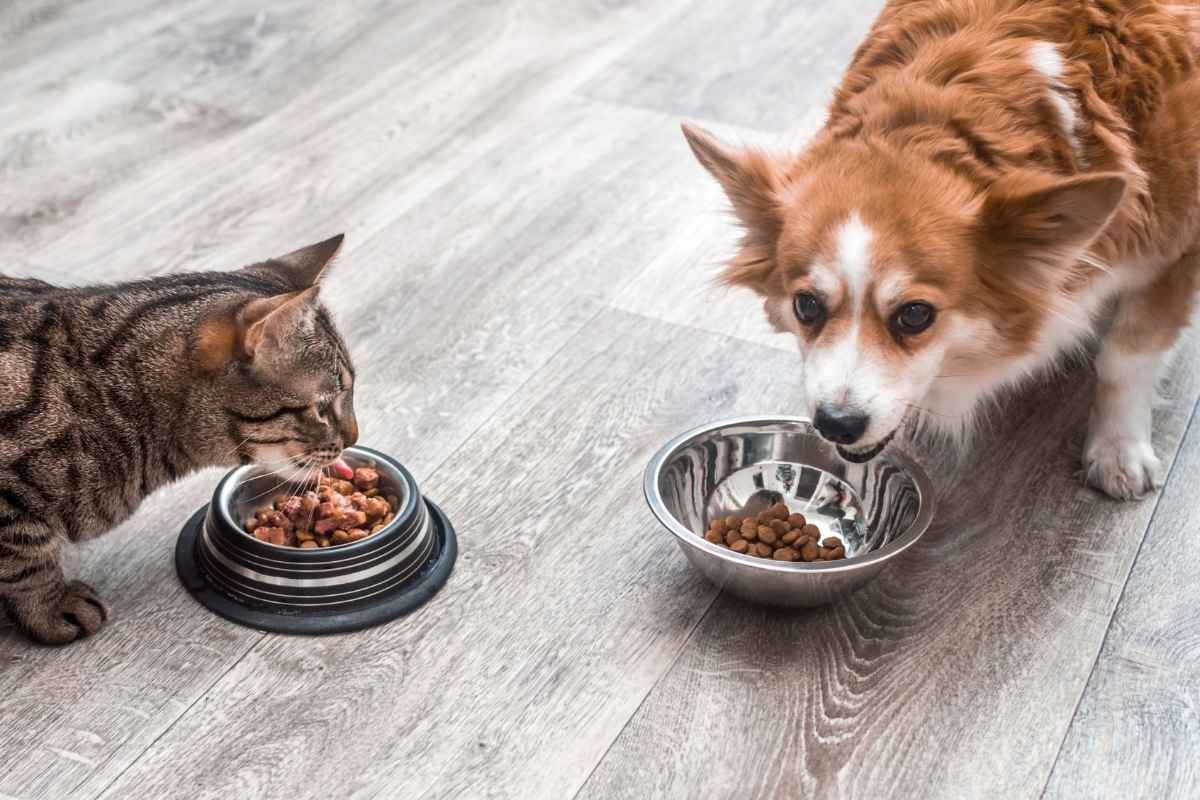
Pet Nutrition plays a vital role in your pet’s overall health, longevity, and happiness. For pet owners in Alpharetta, GA, understanding what to feed your dog or cat—and what to avoid—can make a lifelong difference in preventing illness and maintaining energy and vitality. Just like humans, pets require a balanced diet tailored to their age, size, breed, and health condition.
This complete guide will help you make informed nutrition choices, recognize healthy foods, avoid harmful ingredients, and know when professional guidance is needed.
Why Pet Nutrition Matters
Proper Pet Nutrition supports strong immunity, healthy digestion, shiny coats, strong bones, and stable energy levels. Poor dietary choices, on the other hand, can lead to obesity, diabetes, food allergies, dental disease, and digestive issues.
Every pet is unique. Puppies and kittens need nutrient-dense food for growth, adult pets need balanced maintenance diets, and senior pets benefit from formulas that support joints and organ health. Consulting a trusted veterinary provider such as Milton Animal Hospital can help you choose the right nutrition plan for your pet’s specific needs.
Key Nutrients Every Pet Needs
A well-balanced diet should include the following essential nutrients:
Protein
Supports muscle development, tissue repair, and immune health. High-quality animal protein should be the primary ingredient in pet food.
Healthy Fats
Provide energy and promote healthy skin and coat. Omega-3 and Omega-6 fatty acids are especially beneficial.
Carbohydrates
Offer a source of energy and fiber for digestion. Whole grains and vegetables are preferable to fillers.
Vitamins and Minerals
Support bone health, vision, metabolism, and immune function. These must be properly balanced to avoid deficiencies or excesses.
Fresh Water
Hydration is critical for kidney function, digestion, and temperature regulation.
Healthy Foods for Pets
While commercial pet foods are formulated to meet nutritional standards, certain whole foods can safely complement your pet’s diet when approved by a veterinarian.
Safe and healthy options may include:
- Lean meats such as chicken, turkey, or fish (plain and cooked)
- Carrots, green beans, and pumpkin for fiber
- Blueberries and apples (without seeds)
- Plain rice or oatmeal for sensitive stomachs
Always introduce new foods gradually and in moderation to avoid digestive upset.
Foods to Avoid Giving Your Pet
Some foods that are safe for humans can be toxic or dangerous for pets. Avoid feeding your pet the following:
- Chocolate and caffeine
- Grapes and raisins
- Onions, garlic, and chives
- Xylitol (found in sugar-free gum and baked goods)
- Alcohol
- Cooked bones or fatty table scraps
These foods can cause symptoms ranging from vomiting and diarrhea to severe organ damage or poisoning.
Choosing the Right Pet Food
When selecting commercial pet food, look for:
- Named animal protein as the first ingredient
- Products that meet AAFCO nutritional standards
- Life-stage specific formulas
- Limited fillers and artificial additives
Avoid frequent diet changes and consult your veterinarian before switching foods, especially if your pet has medical conditions or allergies. A professional veterinary team can help customize a Pet Nutrition plan that aligns with your pet’s health goals in Alpharetta, GA.
When to Seek Veterinary Nutrition Advice
If your pet shows signs such as weight changes, chronic itching, digestive problems, low energy, or food refusal, it may be time for a nutritional evaluation. Working with Milton Animal Hospital ensures your pet receives evidence-based dietary guidance designed for long-term wellness.
Final Thoughts on Pet Nutrition
Pet Nutrition is not one-size-fits-all. The right balance of nutrients, portion control, and food quality can significantly improve your pet’s quality of life. With the right guidance and informed choices, you can help your pet thrive at every life stage.
Schedule your appointment at Milton Animal Hospital in Alpharetta, GA. Our compassionate veterinary team is dedicated to providing expert care for your pet’s health. Book today for quality and caring service!
FAQs:
Q1. Is grain-free food better for pets?
Ans. Grain-free diets are not automatically healthier. Many pets digest grains well, and some grain-free foods may lack balanced nutrients. Your veterinarian can recommend the best diet based on your pet’s specific nutritional needs and medical history.
Q2. Can I give my pet homemade food every day?
Ans. Homemade diets can work, but must be carefully balanced. Feeding homemade food daily without veterinary guidance can cause nutritional deficiencies. Always consult a veterinarian to ensure your pet receives the correct vitamins, minerals, and protein levels.
Q3. How do I know if my pet has food allergies?
Ans. Common signs of food allergies include itching, ear infections, digestive upset, and skin redness. Diagnosis often requires a veterinary exam and a supervised elimination diet to identify the specific ingredient causing the reaction.
Q4. What diet is best for senior pets?
Ans. Senior pets benefit from diets lower in calories but rich in high-quality protein, joint-supporting nutrients, and antioxidants. Specialized senior formulas help support mobility, digestion, and organ health as pets age.