12460 Crabapple Rd #103, Alpharetta, GA 30004


A little bad breath after a meal may not seem serious, yet an ongoing odor from your dog or cat’s mouth can point to deeper health concerns. Dental disease often develops quietly, affecting teeth, gums, and even internal organs before visible symptoms appear. Regular oral care plays a major role in helping pets stay comfortable, active, and healthy for years.
If you’re a pet owner in Alpharetta, Milton, Crabapple, Roswell, and surrounding areas, this blog is especially for you. Learning how routine dental care supports your pet’s overall wellness can help you recognize early warning signs and avoid preventable health issues later.
Hidden Dental Problems Affect Daily Pet Comfort
Many dogs and cats continue to eat even while experiencing mouth pain. Signs of oral discomfort are often subtle, making dental disease easy to miss during everyday routines. Take your pet to the vet immediately to ensure their dental care is never compromised.
Common warning signs include:
- Persistent bad breath: Strong odor may signal bacterial buildup and gum disease rather than normal pet breath.
- Dropping food while eating: Oral pain can make chewing difficult and uncomfortable.
- Pawing at the mouth: Pets often react to tooth irritation or inflamed gums this way.
- Bleeding gums: Redness or bleeding may indicate infection developing below the gumline.
- Reduced interest in toys: Mouth discomfort can make chewing less enjoyable.
Routine veterinary dentistry helps detect these issues before they become more severe. Early treatment may prevent tooth loss, chronic pain, and infections affecting other parts of the body.
Oral Bacteria Can Affect Internal Organs
Dental disease is not limited to the mouth alone. Harmful bacteria from infected gums can enter the bloodstream and travel throughout the body over time.
Areas commonly affected include:
- Heart tissue: Oral bacteria may contribute to inflammation affecting heart health.
- Kidneys: Chronic infection can place added stress on kidney function.
- Liver: Ongoing exposure to bacteria may affect liver function.
Regular cleanings and oral examinations help reduce bacterial buildup while supporting overall wellness. Many pet owners are surprised to learn how closely oral health is connected to long-term physical health.
Everyday Habits Supporting Better Oral Health
Daily routines make a noticeable difference in preventing dental disease. Consistency matters more than perfection when caring for your pet’s teeth at home.
Helpful habits include:
- Tooth brushing: Pet-safe toothpaste helps reduce plaque accumulation.
- Dental chews: Certain products help keep teeth cleaner between visits.
- Routine oral checks: Looking for redness, swelling, or odor can help identify concerns early.
- Healthy diet choices: Balanced nutrition supports oral health.
Preventive care works best when combined with routine wellness exams and professional cleanings performed by a veterinarian.
Small Dental Issues Often Worsen Quickly
Plaque buildup hardens into tartar surprisingly fast. Mild irritation can develop into advanced periodontal disease if left untreated.
Progression may include:
Plaque And Tartar Build Up
Food debris and bacteria collect along the gumline daily. Hardened tartar becomes difficult to remove without professional dental tools.
Inflamed And Painful Gum Tissue
Gingivitis develops when bacteria irritate the gums. Swelling and bleeding may follow as inflammation worsens.
Tooth Damage And Bone Loss
Advanced disease can weaken supporting structures around teeth, eventually leading to loose or missing teeth.
Regular pet dental care helps slow or prevent this progression while improving daily comfort for dogs and cats.
Cats Often Hide Mouth Pain Surprisingly Well
Cats are especially skilled at masking discomfort. Dental disease in cats may go unnoticed until symptoms become severe.
Signs cat owners should watch for include:
- Sudden changes in food preferences: Soft foods may feel easier to eat.
- Excessive drooling: Oral irritation often increases saliva production.
- Weight loss: Eating discomfort may gradually reduce appetite.
- Withdrawal from interaction: Pain sometimes affects behavior and mood.
Routine dental evaluations can help identify hidden problems before they interfere with eating or quality of life.
Professional Cleanings Reach Difficult Hidden Areas
Surface cleaning alone cannot fully remove bacteria below the gumline. Professional dental procedures allow for deeper evaluation and cleaning in areas that are difficult to reach at home.
Dental visits may include:
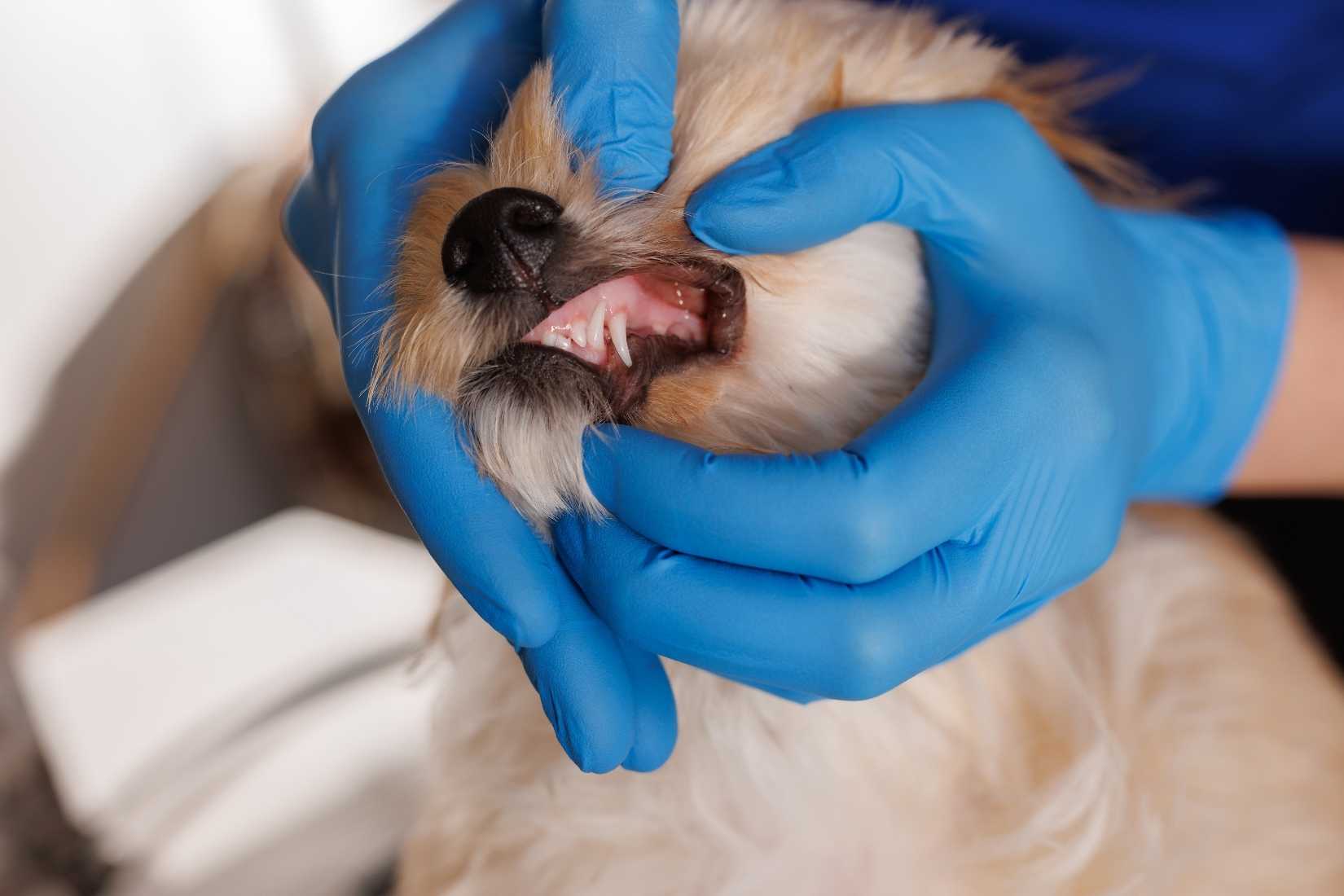
- Full oral examination: Teeth, gums, and oral tissues are carefully assessed.
- Plaque and tartar removal: Specialized equipment safely removes hardened buildup.
- Dental X-rays: Hidden tooth root problems may be identified beneath the surface.
- Treatment planning: Individual recommendations are made based on your pet’s needs.
Preventive dentistry often reduces the likelihood of more advanced procedures later.
Healthy Teeth Help Pets Stay More Active
Oral discomfort can affect energy levels, appetite, and behavior. Pets with healthier mouths often show improved engagement during meals, playtime, and daily activities.
Good oral health may support:
- Easier eating and chewing
- Better appetite consistency
- Reduced irritation and inflammation
- Improved daily comfort
- Healthier long-term wellness outcomes
Many pet owners notice positive changes shortly after dental treatment addresses ongoing discomfort.
Milton Animal Hospital continues to provide attentive dental care and preventive wellness support to pets throughout Alpharetta, Milton, Crabapple, Roswell, and nearby communities. Their animal care team focuses on identifying oral concerns early while making routine visits feel calm and manageable for both dogs and cats. Consistent care and patient-focused attention help support healthier lives at every stage.
Simple Steps Can Protect Long-Term Health
Preventive dental care often costs less than treating advanced disease later. Small changes in routine care today may help your dog or cat avoid discomfort, infection, and tooth loss in the future.
Scheduling regular oral evaluations also supports early detection of issues connected to overall wellness. Combined with services like pet wellness exams, pet vaccinations, and diagnostic imaging, dental care becomes part of a stronger long-term health plan for your companion animal.
Keeping Your Pet Comfortable Starts Earlier
Healthy teeth affect far more than fresh breath. Oral care supports eating comfort, daily behavior, and overall physical wellness throughout your pet’s life. Small signs of dental disease should never be ignored, especially when early treatment may prevent more serious complications later.
If you’re in Alpharetta, Milton, Crabapple, Roswell, and nearby areas searching for veterinary dentistry near you, book an appointment with Milton Animal Hospital. Their team helps dogs and cats receive thorough oral evaluations, preventive cleanings, and ongoing support to keep pets healthier and more comfortable at every stage of life.
FAQs
1. Why does my dog still eat with dental pain?
Ans: Dogs often continue eating despite discomfort due to instinct. Changes such as slower chewing, food dropping, or avoiding harder treats may still signal underlying oral disease that needs evaluation.
2. Can untreated gum disease change my cat’s behavior?
Ans: Yes. Ongoing oral pain may cause irritability, hiding, reduced grooming, lower activity levels, or avoidance of interaction with family members, even before obvious mouth symptoms appear.
3. How often should pets receive dental cleanings?
Ans: Frequency depends on age, breed, oral condition, and home care habits. Annual evaluations help determine when professional cleanings may be necessary for maintaining oral health.
4. Are bad teeth connected to stomach problems in pets?
Ans: Oral disease can indirectly affect eating habits and digestion. Painful chewing may reduce food intake or cause pets to swallow food improperly during meals.
5. Why are dental X-rays important during oral exams?
Ans: Many dental problems develop below the gumline, where they cannot be seen visually. X-rays help identify hidden infections, damaged roots, and bone changes early.