12460 Crabapple Rd #103, Alpharetta, GA 30004

Complete Diagnostic Solutions for Pets
Diagnostic care plays a vital role in identifying illnesses, monitoring chronic conditions, and confirming the health status of pets who may not show visible symptoms. Through advanced veterinary diagnostic services, a veterinarian may recommend lab work, blood tests, or advanced imaging depending on your pet’s condition to gain accurate insights into their overall health. Early veterinary diagnostic testing helps detect potential issues sooner, allowing pets to receive timely treatment and better long-term care.
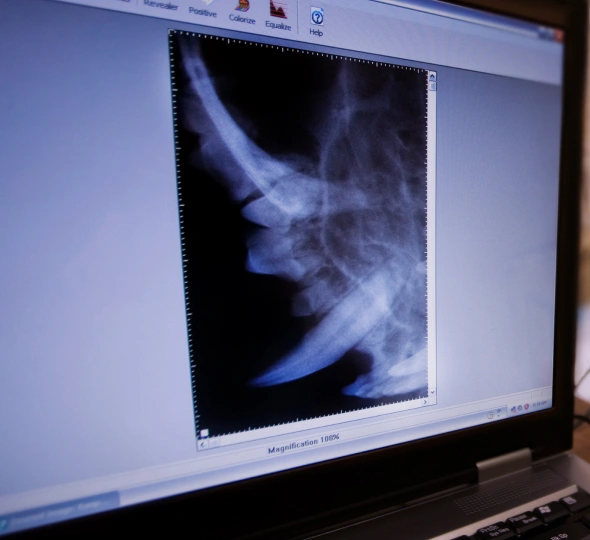
Digital X-ray Imaging
Digital x-rays provide clear, high-resolution images that help identify issues such as fractures, joint problems, tumors, and other internal concerns with precision. Because the images are produced instantly, your veterinarian can review the results quickly and guide you through the next steps in your pet’s treatment.
X-rays are especially useful for evaluating:
- Bone fractures
- Structural or joint abnormalities
- Tumors or masses
- Foreign objects
Digital x-rays are an important part of advanced pet diagnostic care, helping veterinarians evaluate injuries, illnesses, and internal conditions with greater speed and precision. Digital x-rays reduce exposure time, provide high-quality images, and allow for efficient sharing of results when needed. Just as important as the technology is the expertise of trained professionals who interpret these images with accuracy and care, ensuring pets receive timely and effective diagnostic support.
On-site Diagnostic Laboratory
An in-house diagnostic lab allows for quick turnaround times on essential tests, ensuring fast and accurate insight into your pet’s health. For more specialized testing, additional samples may be sent to a trusted external lab.
Common diagnostic tests include:
- Complete Blood Count (CBC)
- Blood Chemistry Panel
- Urinalysis
- Fecal Ova & Parasite Test
- Heartworm Testing
- Thyroid Function Testing
- Feline Leukemia (FeLV)
- Feline Immunodeficiency Virus (FIV)
What These Tests Tell Us
- Blood Chemistry Panel: Evaluates organ function, including liver and kidneys.
- Complete Blood Count: Measures red and white blood cell levels to detect anemia, infection, and inflammation.
- Thyroid Testing: Identifies thyroid disorders that may affect energy and metabolism, especially in senior pets.
- Electrolytes Testing: Helps diagnose dehydration and evaluates important minerals in the bloodstream.
- Urinalysis: Screens for urinary tract infections and kidney disorders.
- Fecal Testing: Detects intestinal parasites such as roundworms, hookworms, and whipworms.
These diagnostic tools provide valuable information that cannot be identified through a physical exam alone.
Allergy & Dermatology Care
Skin and allergy issues can cause significant discomfort for pets. Dermatological conditions often affect the skin, coat, ears, eyes, or paws, and many require long-term management.
A thorough evaluation may include a physical exam, skin sampling, blood tests, or other diagnostic tools to determine the root cause of the irritation.
Common signs of dermatological issues include:
- Biting or licking the skin
- Frequent itching or scratching
- Red or watery eyes
- Flaking skin or rashes
- Changes in behavior or irritability
Once the cause is identified, a personalized treatment plan is created to relieve symptoms and improve your pet’s comfort.
Endoscopy
Endoscopy is a minimally invasive diagnostic procedure used to examine the gastrointestinal tract. A flexible tube with a camera allows for a close look at the esophagus, stomach, and intestines, helping diagnose:
- Inflammatory bowel disease (IBD)
- Certain cancers
- Gastrointestinal lymphoma
- Foreign body ingestion
- Chronic vomiting or diarrhea
Benefits of endoscopy include:
- No surgical incisions
- Less pain and faster recovery
- Reduced anesthesia time
- Ability to take biopsies for further testing
To prepare for endoscopy, pets typically fast for 12–36 hours so the gastrointestinal tract is clear. After the procedure, your pet may experience mild discomfort but should rest comfortably at home until fully recovered.