12460 Crabapple Rd #103, Alpharetta, GA 30004
Many pet owners prioritize nutrition, exercise, and vaccinations, yet dental health is often unintentionally neglected. Veterinary professionals frequently see pets develop serious internal health issues that originate in the mouth. Poor oral hygiene doesn’t just lead to bad breath or tooth loss—it can have a direct impact on your pet’s heart, liver, and kidneys.
Understanding the link between oral health and systemic disease can help you protect your pet from preventable, life-threatening conditions and support a longer, healthier life – especially for pet owners in Alpharetta, GA.
Why Oral Health Is Critical for Pets
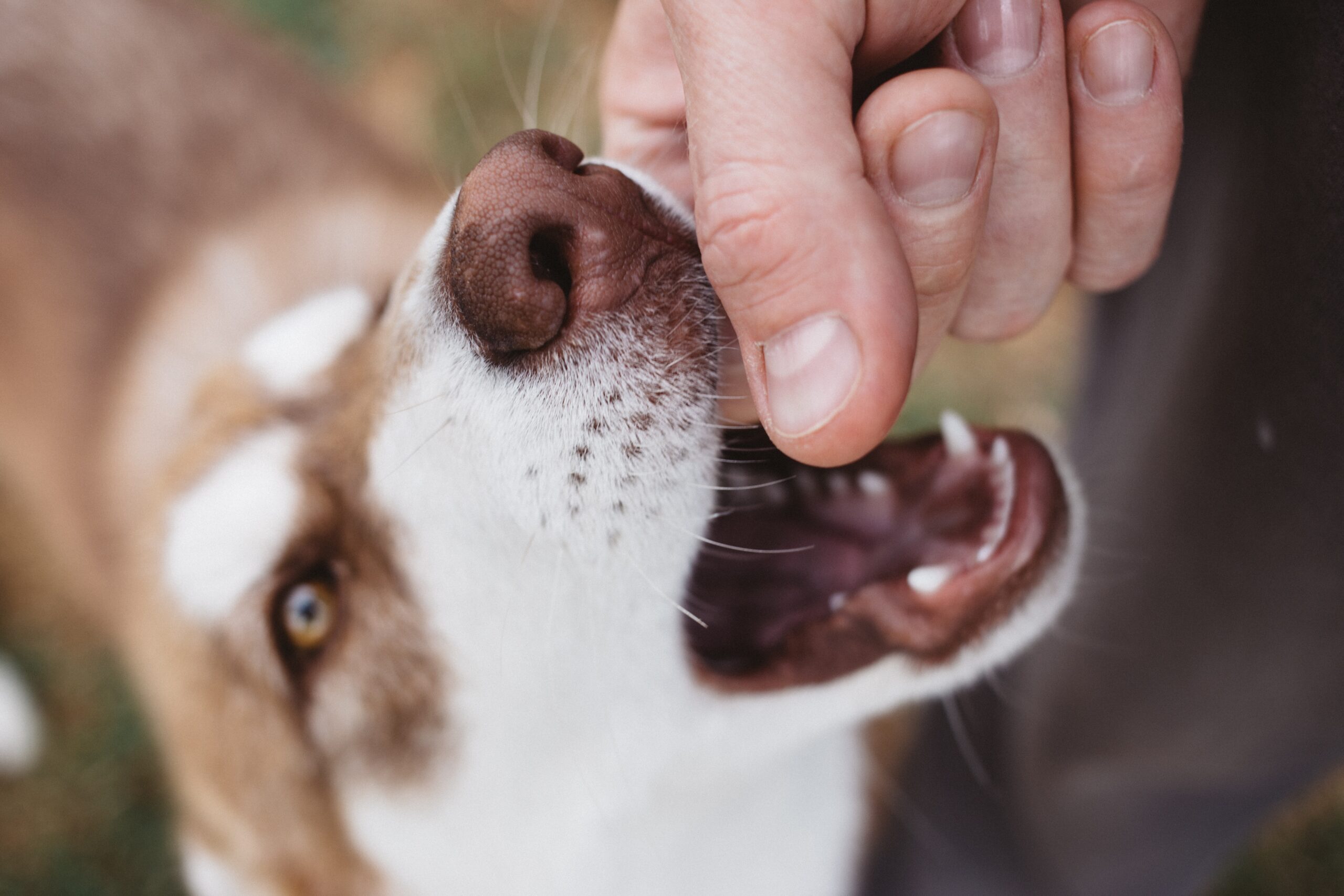
Your pet’s mouth is home to millions of bacteria. When dental plaque and tartar are not removed, harmful bacteria accumulate below the gumline, leading to gingivitis and periodontal disease. Once the gums become inflamed, bacteria can enter the bloodstream and travel throughout the body.
This process, known as bacteremia, allows oral bacteria to reach vital organs. Over time, repeated exposure places stress on major systems, increasing the risk of organ damage. This is why preventive Pet Dentistry plays a much bigger role in overall wellness than many pet owners realize.
The Link Between Oral Disease and the Heart
One of the most serious consequences of poor oral health is its impact on the heart. When bacteria circulate through the bloodstream, they can attach to the heart valves, leading to inflammation and infection known as endocarditis.
Pets with advanced dental disease may develop:
- Heart murmurs
- Weakness or fatigue
- Reduced exercise tolerance
Chronic inflammation caused by untreated oral infections can accelerate heart disease, especially in senior pets and smaller breeds that are already predisposed to cardiac conditions.
How Oral Health Affects the Liver
The liver acts as a filter for toxins and bacteria in the blood. When oral bacteria repeatedly enter circulation, the liver works overtime to remove them. Over time, this constant strain can cause liver inflammation and impaired function.
Pets with liver involvement may show subtle signs at first, such as:
- Loss of appetite
- Weight loss
- Digestive upset
- Lethargy
Because liver disease often progresses silently, dental infections may contribute to long-term damage before symptoms become obvious.
The Hidden Risk to the Kidneys
The kidneys are especially vulnerable to damage from circulating bacteria. They filter blood continuously, which makes them a prime target for bacterial accumulation. Chronic dental disease has been strongly linked to worsening kidney function in pets.
When kidney tissue becomes inflamed or damaged, pets may experience:
- Increased thirst and urination
- Dehydration
- Nausea or vomiting
- Decreased appetite
For pets with early kidney disease, untreated dental problems can significantly speed up disease progression.
Signs Your Pet May Have Dental Disease
Dental disease often develops gradually, making it easy to miss early warning signs. Watch for the following symptoms:
- Bad breath
- Red, swollen, or bleeding gums
- Difficulty chewing or dropping food
- Pawing at the mouth
- Yellow or brown tartar buildup
- Behavioral changes or irritability
If you notice any of these signs, a professional dental evaluation is essential.
Prevention Through Professional Dental Care
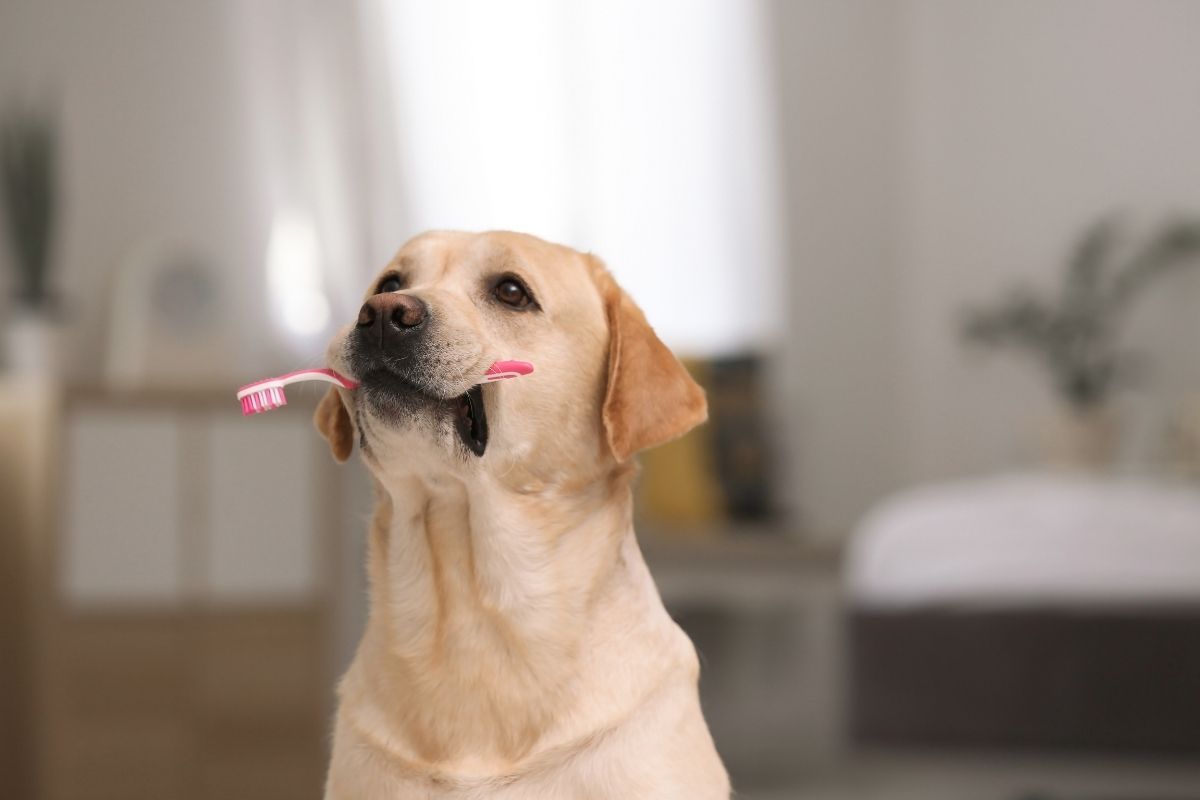
Routine dental care is the most effective way to protect your pet’s oral and internal health. Preventive Pet Dentistry includes regular oral exams, professional cleanings, and at-home care recommendations.
Veterinary dental cleanings remove plaque and tartar from areas you can’t reach with brushing alone, especially below the gumline, where bacteria cause the most damage. Your veterinarian can also identify early signs of disease before they affect vital organs.
At Milton Animal Hospital, comprehensive dental evaluations are part of a proactive approach to keeping pets healthy from nose to tail.
At-Home Dental Care Tips for Pet Owners
In addition to professional cleanings, consistent home care makes a major difference:
- Brush your pet’s teeth using veterinarian-approved toothpaste
- Offer dental chews or treats designed to reduce plaque
- Use dental diets if recommended by your veterinarian
- Schedule regular wellness exams
Even small steps taken consistently can greatly reduce the risk of dental disease and related systemic conditions.
Why Early Intervention Matters
The earlier dental disease is addressed, the lower the risk of bacteria spreading to the heart, liver, and kidneys. Regular dental checkups help ensure infections are treated before they become dangerous or costly to manage.
Pet owners who prioritize oral health often see improvements in their pet’s energy levels, appetite, and overall comfort. Preventive care not only protects vital organs but also improves quality of life.
Final Thoughts
Your pet’s mouth is a gateway to their overall health. Ignoring dental care can lead to serious, irreversible damage to essential organs. By staying informed and proactive, you can help safeguard your pet’s heart, liver, and kidneys for years to come.
Schedule your appointment at Milton Animal Hospital in Alpharetta, GA. Our compassionate veterinary team is dedicated to providing expert dental care for your pet’s health. Book today for quality and caring service!
FAQs:
Q1. How often should my pet receive a dental exam?
ans. Most pets should have a dental evaluation at least once a year, though some may need more frequent checks.
Q2. Is bad breath normal for pets?
ans. No. Persistent bad breath is often an early sign of dental disease and should be evaluated by a veterinarian.
Q3. Are dental cleanings safe for pets?
ans. Yes. Professional dental cleanings are performed under anesthesia to ensure safety, comfort, and thorough cleaning.
Q4. Can dental disease really affect internal organs?
ans. Yes. Oral bacteria can enter the bloodstream and damage the heart, liver, and kidneys over time.
Q5. When should I start dental care for my pet?
ans. Dental care should begin early in life, ideally when pets are young, to prevent disease before it starts.