12460 Crabapple Rd #103, Alpharetta, GA 30004

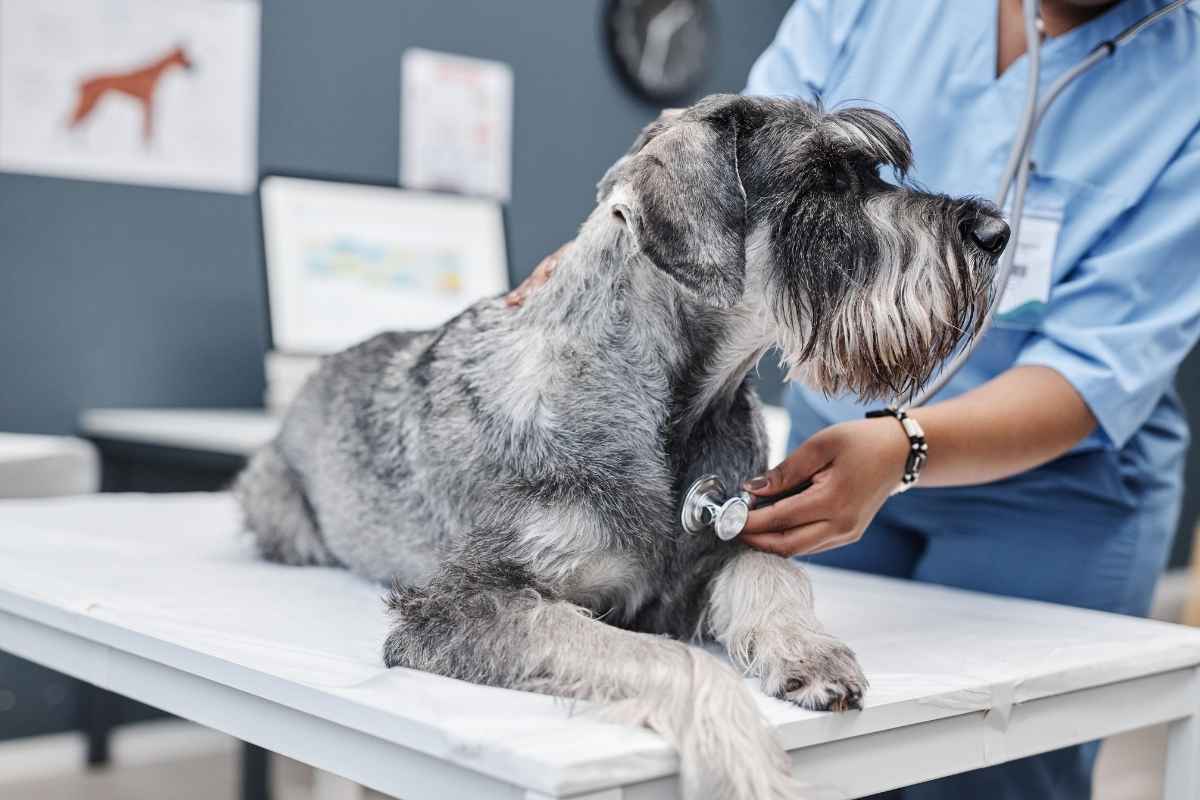
The old saying holds true: “An ounce of prevention is worth a pound of cure” and nowhere is that more relevant than in pet healthcare. Preventive veterinary care is the most powerful tool you have to protect your dog or cat from illness, catch problems early, and ensure a long, happy life together. At Milton Animal Hospital, your trusted veterinary clinic near Alpharetta is the heart of everything we do.
In this guide, we’ll walk you through exactly what preventive pet care involves, why it matters at every life stage, and how our team at Milton Animal Hospital makes it easy, affordable, and stress-free for families throughout Alpharetta, Milton, Roswell, and surrounding communities.
What Is Preventive Pet Care and Why Does It Matter?
Preventive care refers to the proactive steps taken to maintain your pet’s health before problems develop. Rather than waiting until your dog or cat shows signs of illness, preventive care focuses on routine examinations, vaccinations, parasite control, nutritional guidance, and early disease detection. The goal is simple: keep your pet healthier for longer and avoid costly treatments down the line.
Pets are masters at hiding discomfort. By the time your cat or dog shows obvious signs of an illness, the condition may have already progressed significantly. Regular visits to a vet near you allow our veterinarians to detect subtle changes in your pet’s health, weight fluctuations, early-stage dental disease, heart murmurs, and more, before they become serious.
Annual Wellness Exams: The Cornerstone of Preventive Care
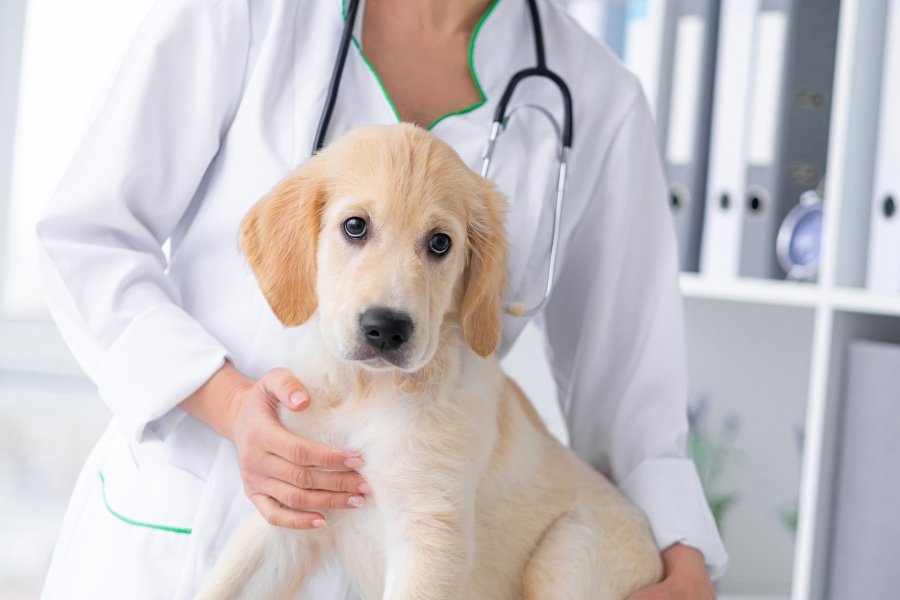
The annual wellness exam or semi-annual for senior pets is the foundation of a solid preventive care plan. At Milton Animal Hospital, every wellness visit includes a comprehensive nose-to-tail physical examination, a review of your pet’s diet and activity level, behavioral assessment, and a discussion of any concerns you may have.
During the exam, our veterinarian will assess your pet’s body weight, coat and skin health, ear and eye clarity, dental health, heart and lung function, joint mobility, and lymph nodes. This thorough evaluation gives us a complete picture of where your pet stands and what, if anything, needs attention. It’s also the perfect time to update vaccinations and review parasite prevention.
Vaccinations: Protecting Your Pet and Your Community
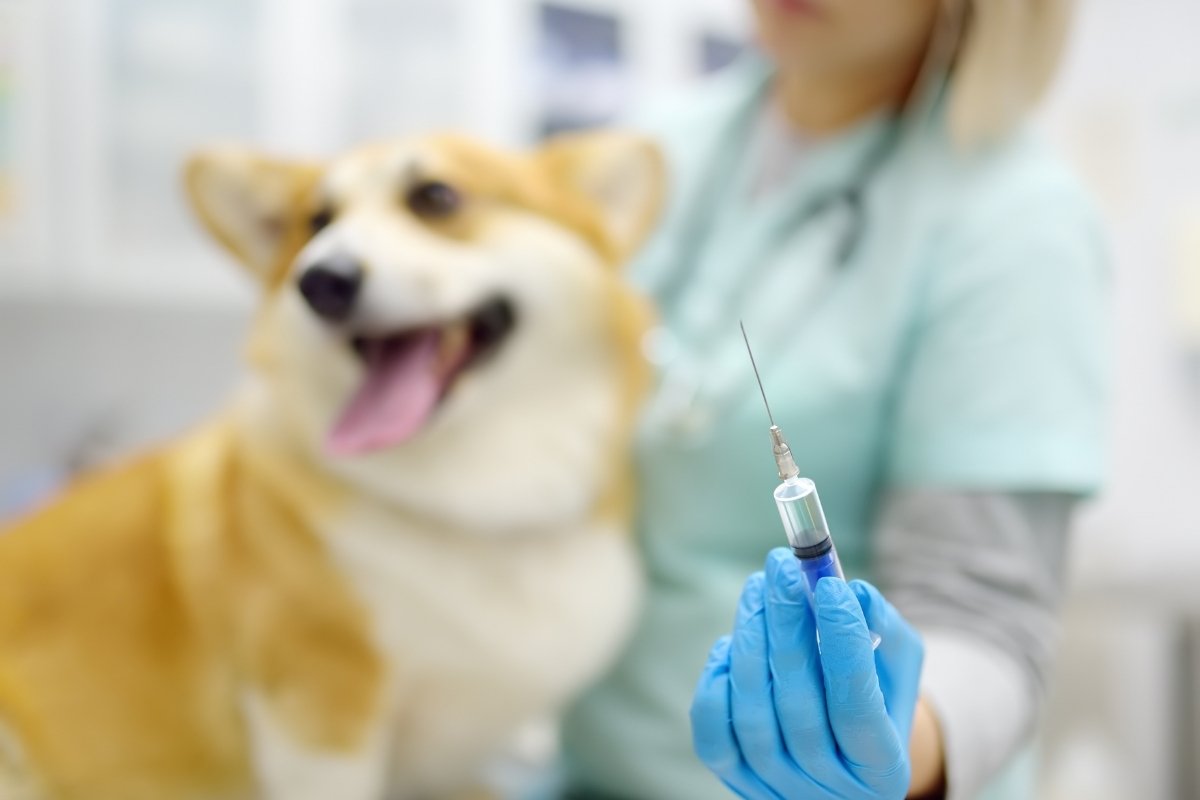
Vaccinations are among the most effective preventive tools available in veterinary medicine. Core vaccines such as rabies, distemper, parvovirus, and adenovirus for dogs, and FVRCP and rabies for cats protect against potentially fatal diseases. Additional lifestyle-based vaccines may be recommended depending on your pet’s environment and activities.
At our veterinary clinic, we follow updated vaccination guidelines and tailor your pet’s schedule to their specific needs, health history, and risk factors. We’ll never over-vaccinate, and we’ll never skip what’s essential. Our goal is a vaccination program that keeps your pet genuinely protected.
Parasite Prevention: Year-Round Protection Is Critical
Georgia’s warm climate makes parasite prevention a year-round concern. Fleas, ticks, heartworms, and intestinal parasites can cause serious illness in pets and some, like hookworms and roundworms, can even be transmitted to humans. Consistent prevention is far safer and more cost-effective than treating an established infection.
At Milton Animal Hospital, we perform routine parasite screenings and recommend prevention products tailored to your pet’s lifestyle and risk level. Annual heartworm testing, regular fecal exams, and consistent use of flea and tick preventives are all part of a comprehensive parasite control strategy. We’ll walk you through every option so you can make the most informed choice for your pet and your family.
Microchipping: Permanent Peace of Mind
Thousands of pets are lost every year, and tragically, many are never reunited with their families often because they lack permanent identification. Collars and tags can fall off or become unreadable, but a microchip stays with your pet for life.
Microchipping is a quick, safe procedure performed here at our Alpharetta veterinary clinic. A tiny chip roughly the size of a grain of rice is inserted just beneath the skin between the shoulder blades. Each chip carries a unique identification number linked to your contact information in a national pet recovery database. If your pet is ever lost and brought to a shelter or veterinary clinic, a simple scan can reunite you within hours. We strongly recommend microchipping for all pets.
Nutritional and Behavioral Guidance
Preventive care extends beyond vaccines and parasite tests. Proper nutrition plays a profound role in your pet’s long-term health, influencing everything from coat quality and energy levels to organ function and longevity. Our team provides personalized nutrition recommendations based on your pet’s age, breed, weight, and health status.
We also discuss behavioral wellness at preventive visits. Changes in behavior, increased aggression, excessive licking, house-soiling, or sudden lethargy can be early signs of an underlying medical or psychological issue. Addressing these concerns early, with veterinary guidance, leads to faster resolution and a better quality of life for your pet.
How Often Should My Pet Visit the Vet?
For healthy adult dogs and cats, an annual wellness exam is recommended at minimum. Puppies and kittens require more frequent visits during their first year of life to complete their vaccination series and monitor their development. Senior pets – generally those 7 years and older benefit from biannual checkups, as age-related conditions can develop and progress quickly.
If you’re unsure how often your specific pet should visit, our team at Milton Animal Hospital will create a personalized care schedule based on their individual needs. Regular visits to a veterinarian near you are one of the best investments you can make in your pet’s well-being.
Schedule Your Pet’s Preventive Care Visit Today
Don’t wait for symptoms to appear before bringing your pet in. Preventive care is proactive care and it’s the single most powerful thing you can do to give your pet a longer, healthier, happier life. Contact Milton Animal Hospital today at (770) 526-2750 or book online to schedule your pet’s next wellness exam.
Frequently Asked Questions
Q: How often should my dog or cat have a wellness exam?
Ans: Healthy adult pets should have at least one wellness exam per year. Puppies and kittens need more frequent visits during their first year, and senior pets (age 7+) should ideally be seen twice a year, since age-related health changes can occur quickly.
Q: Are vaccinations really necessary for indoor pets?
Ans: Yes. Even indoor pets face risks from airborne viruses, accidental escapes, or exposure through people and other animals. Core vaccines like rabies are also legally required in Georgia for cats and dogs. Our team will work with you to determine the right vaccine protocol for your pet’s lifestyle.
Q: What is included in a wellness exam at Milton Animal Hospital?
Ans: A comprehensive wellness exam includes a full physical evaluation from nose to tail, weight and body condition assessment, discussion of your pet’s diet, behavior, and activity, vaccine updates, parasite screening recommendations, and any additional testing indicated by your pet’s age or health history.
Q: How does parasite prevention work, and which products do you recommend?
Ans: Parasite prevention products work by killing or repelling fleas, ticks, and other parasites before they can infect your pet. We recommend year-round prevention and will suggest specific products based on your pet’s size, lifestyle, and health status. We only recommend products we trust and use ourselves.
Q: What happens if my pet is not microchipped and gets lost?
Ans: Without a microchip, reuniting a lost pet depends on visible ID tags that can fall off or become unreadable. Microchipping gives your pet a permanent, scannable ID that shelters and veterinary clinics across the country can read. We strongly recommend microchipping all pets as early as possible.
Q: Does Milton Animal Hospital offer behavioral counseling as part of preventive care?
Ans: Yes. Behavioral concerns can sometimes be an early sign of a medical issue, so we take them seriously. During wellness visits, we discuss your pet’s behavior and can recommend evaluation, training referrals, or medical treatment depending on the underlying cause.