12460 Crabapple Rd #103, Alpharetta, GA 30004


Keeping pets healthy isn’t just about treating illness when it happens—it’s about preventing it from happening in the first place. Preventive care is the foundation of a long, happy life for your dog or cat, and it gives pet parents peace of mind knowing they’re doing everything possible to support their animal’s well-being. Whether you’re caring for a playful puppy, a curious kitten, or an adult companion, a proactive approach to health can make a tremendous difference.
From routine checkups to proper nutrition, several proven strategies help reduce medical risks, catch issues early, and promote lifelong vitality. Below, we break down the most important preventive care steps every pet parent should know.
1. Schedule Regular Wellness Exams
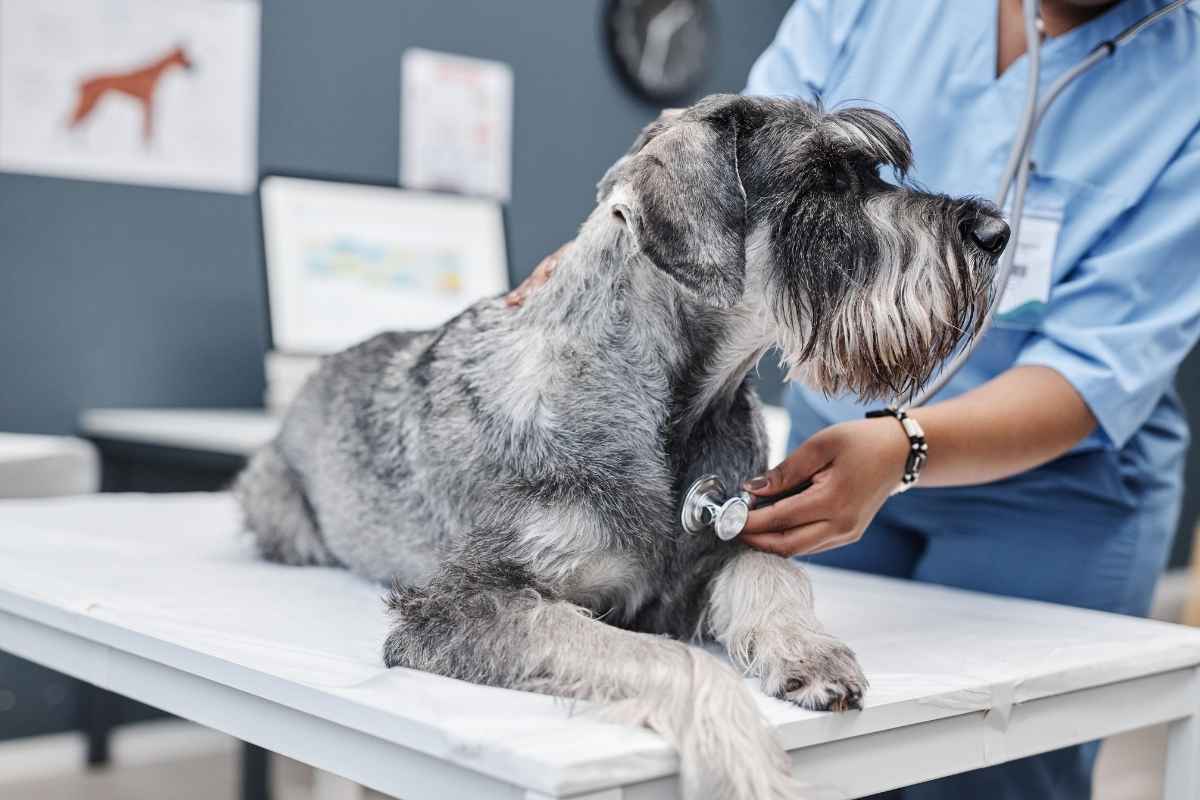
Annual or semi-annual veterinary checkups are one of the most powerful tools in preventive care. These visits allow veterinarians to:
- Assess overall health
- Monitor weight and body condition
- Detect early signs of disease
- Update vaccines
- Discuss behavior or lifestyle changes
Many health conditions—such as kidney disease, diabetes, dental issues, and heart problems—can be subtle in their early stages. Catching them sooner allows for more successful treatment and often lowers long-term care costs. Puppies, kittens, senior pets, and pets with chronic conditions usually benefit from more frequent appointments.
Wellness exams are also a great time to ask questions about your pet’s diet, habits, and behavior. Even small changes at home can provide valuable clues about their health.
2. Keep Vaccinations Up to Date
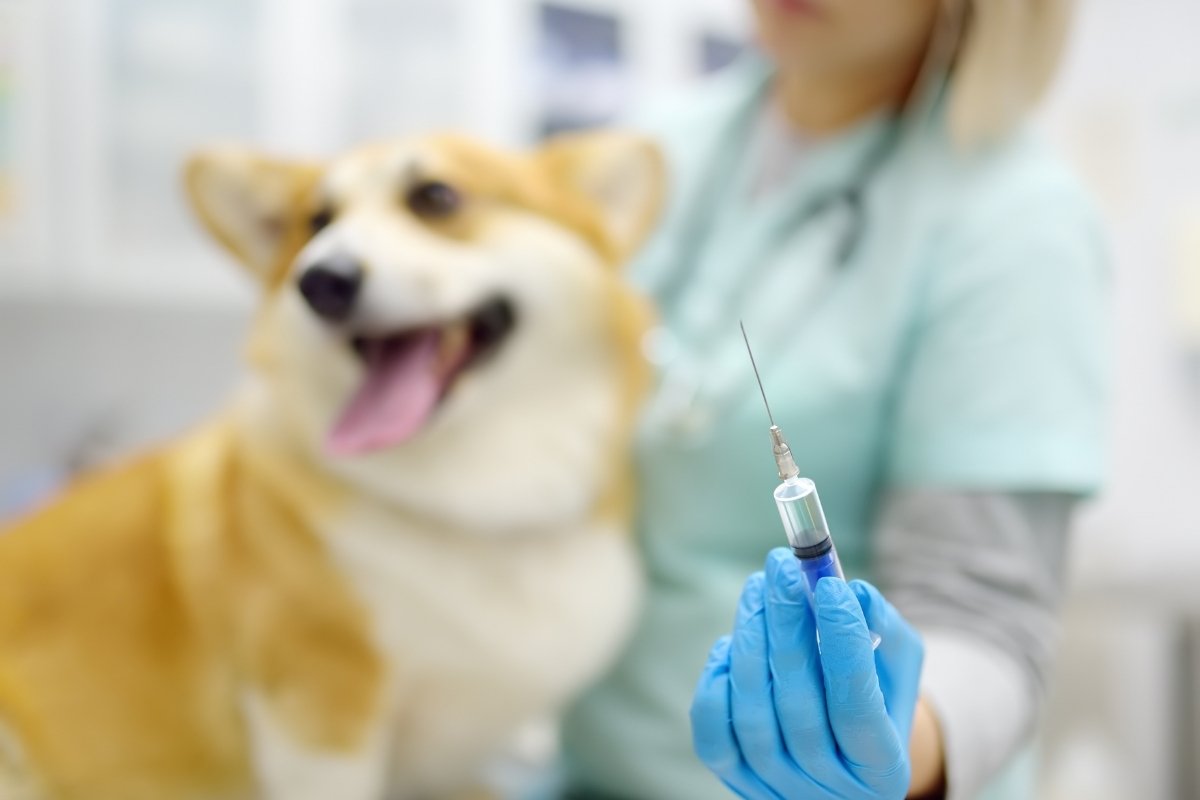
Vaccines protect pets from serious and sometimes fatal diseases. For both dogs and cats, core vaccinations are recommended for every pet, while non-core vaccines may be advised based on lifestyle and environment.
Common core vaccines include:
- Dogs: Rabies, distemper, parvovirus, and adenovirus
- Cats: Rabies, panleukopenia, calicivirus, and herpesvirus
Vaccinations don’t just protect your pet—they help reduce the spread of disease within the community and protect vulnerable animals. Sticking to a veterinarian-approved vaccination schedule ensures your pet remains protected throughout every life stage.
3. Prioritize Parasite Prevention
Parasites such as fleas, ticks, heartworms, and intestinal worms can cause significant health problems. Some can even spread to humans. Preventive medications are safe, affordable, and available in forms such as chewables, topicals, and injections.
Here’s why consistent parasite control is essential:
- Fleas cause itching, skin infections, and can transmit tapeworms.
- Ticks carry dangerous diseases like Lyme disease and ehrlichiosis.
- Heartworms, transmitted by mosquitoes, can be fatal if untreated.
- Intestinal parasites may lead to digestive issues, anemia, and more.
Year-round prevention is recommended, even for indoor pets. Parasites can enter homes through clothing, shoes, or other animals.
4. Provide High-Quality Nutrition
Good nutrition is the cornerstone of good health. Feeding your pet a balanced diet tailored to their age, size, and lifestyle supports everything from immune function to digestive health.
Key considerations include:
- Life-stage nutrition: Puppies and kittens need nutrient-dense food to support growth. Adult pets require maintenance formulas, and seniors may need diets supporting joint or kidney health.
- Portion control: Overfeeding leads to obesity, one of the most common—and preventable—pet health issues.
- Quality ingredients: Look for complete and balanced diets verified by veterinary nutrition standards.
A veterinarian can recommend foods that fit your pet’s unique needs, including options for allergies, sensitivities, or medical conditions.
5. Don’t Forget About Dental Health
Dental disease is one of the most overlooked issues in pets, yet it affects most dogs and cats by age three. Poor dental health can lead to chronic pain, infections, and even organ damage.
Preventive dental care includes:
- Regular brushing with pet-safe toothpaste
- Routine professional dental cleanings
- Dental chews or toys that help reduce plaque buildup
Healthy teeth and gums contribute significantly to your pet’s overall wellness, so incorporating dental care into your routine is essential.
6. Maintain a Healthy Weight and Activity Level
Obesity increases the risk of diabetes, joint issues, respiratory problems, and heart disease. Preventing weight gain is easier than reversing it, making exercise and portion control vital components of preventive care.
Ways to keep pets at a healthy weight:
- Measure food instead of free-feeding
- Limit treats to no more than 10% of daily calories
- Provide daily walks, playtime, or enrichment activities
- Monitor weight regularly and adjust feeding as needed
Staying active also supports mental health, reducing anxiety and destructive behaviors.
7. Monitor Behavior and Changes at Home
Pets can’t tell us when something is wrong, but their behavior often does. Subtle changes—such as decreased appetite, increased thirst, hiding, aggression, or lethargy—may signal underlying health issues.
Pay close attention to:
- Bathroom habits
- Activity level
- Appetite and weight
- Coat condition
- Sleep patterns
Early detection gives pets the best chance at successful treatment.
8. Build a Relationship With a Trusted Veterinarian
Preventive care works best when you have a strong partnership with your veterinary team. They can guide you through your pet’s needs during each life stage and tailor recommendations specifically for your companion.
If you’re seeking guidance on preventative pet care in Alpharetta, GA, establishing a consistent wellness routine ensures your pet receives the quality care they deserve.
Preventive care is more than an annual checklist—it’s a lifelong commitment to supporting your pet’s health, comfort, and happiness. By investing in regular vet visits, vaccinations, parasite control, nutrition, dental hygiene, and behavioral monitoring, you lay the foundation for a vibrant, loving relationship with your furry family member.
Healthy pets truly do start here—one small, proactive step at a time.