12460 Crabapple Rd #103, Alpharetta, GA 30004

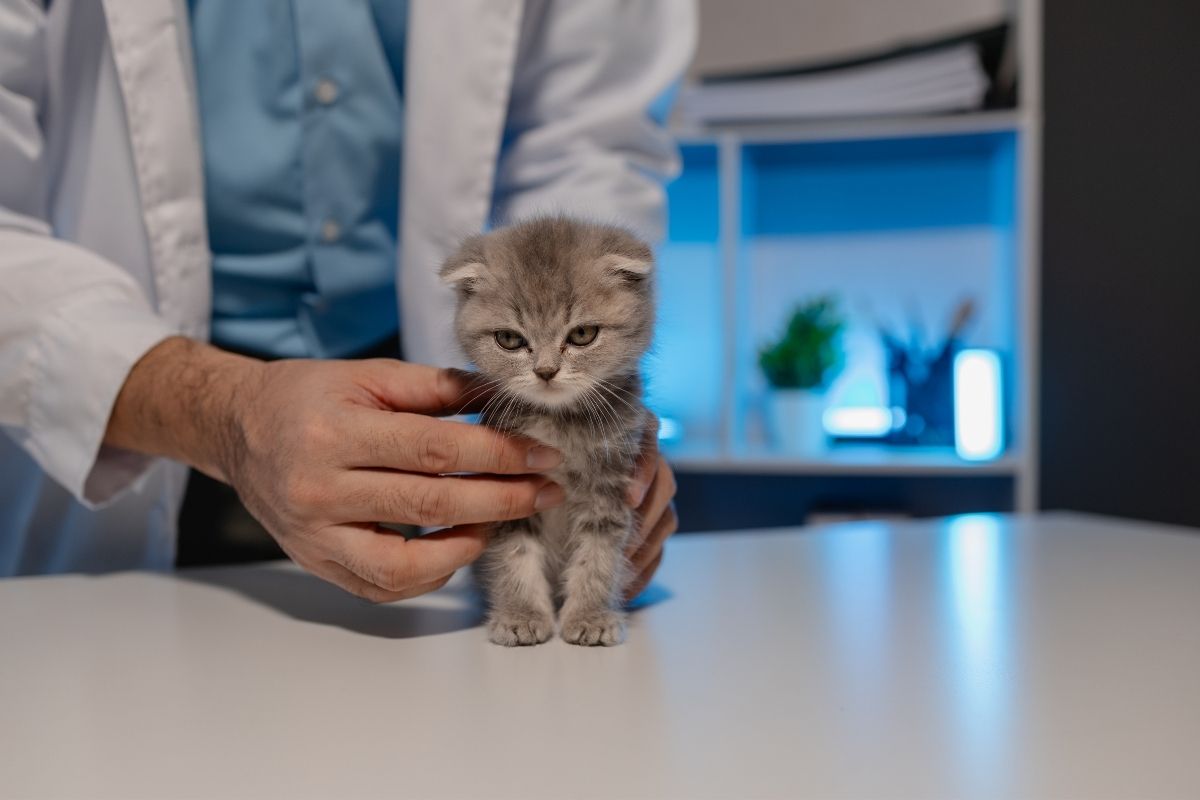
Welcoming a new kitten into your home brings immense joy alongside important responsibilities. Those tiny paws and curious eyes depend entirely on you for healthcare decisions shaping their future. Among the most crucial early steps is scheduling that essential first veterinary appointment.
Learning how to prepare for your kitten’s first vet visit ensures this foundational experience goes smoothly for everyone involved. Proper preparation reduces stress while maximizing the value of this important wellness evaluation.
In this comprehensive guide, we’ll walk you through everything needed for a successful first appointment. Your new furry family member deserves the best possible start to their healthcare journey. Let’s ensure you’re completely prepared!
Why the First Vet Visit Matters So Much:
Establishing Health Baselines
Your kitten’s first veterinary examination establishes crucial baseline health information. These initial findings become reference points for all future comparisons throughout their lifetime.
First visit assessments include:
- Complete physical examination from nose to tail
- Weight measurement for growth tracking
- Heart and lung evaluation
- Eye, ear, and dental inspection
- Abdominal palpation checking internal organs
- Coat and skin condition assessment
These baseline measurements help veterinarians detect changes during subsequent visits.
Detecting Hidden Health Issues
Kittens sometimes harbor health problems invisible to untrained eyes. Professional examination identifies concerns requiring early intervention.
Common issues discovered include:
- Heart murmurs indicate cardiac abnormalities
- Parasites affecting growth and comfort
- Congenital defects requiring monitoring
- Upper respiratory infections need treatment
- Hernias are demanding surgical correction
Essential Preparations Before the Appointment:
Gathering Important Documents
Arriving prepared with relevant information helps veterinarians understand your kitten’s history completely. Collect available documentation before your appointment.
Helpful documents include:
- Adoption paperwork or breeder records
- Previous vaccination certificates, if available
- Deworming treatment history
- Medical records from prior veterinary visits
- Any health guarantees or genetic testing results
Even incomplete information proves valuable for establishing care plans.
Preparing a Safe Carrier
Proper transportation protects your kitten during travel while reducing stress significantly. Never transport kittens loose in vehicles.
Carrier preparation tips include:
- Choose appropriately sized, secure carriers
- Add familiar blankets carrying home scents
- Practice carrier time at home beforehand
- Consider pheromone sprays to reduce anxiety
- Ensure proper ventilation and visibility
Comfortable carrier experiences make future veterinary visits easier.
Writing Down Your Questions
First visits provide excellent opportunities for addressing concerns and seeking guidance. Prepared questions ensure you don’t forget important topics during appointments.
Common first-visit questions include:
- What vaccination schedule does my kitten need?
- When should spaying or neutering occur?
- What food do you recommend for optimal growth?
- How can I prevent common parasites effectively?
- What behavioral training should start immediately?
Prioritize your questions since appointment time is limited.
What to Expect During the Appointment:
The Physical Examination Process
Veterinarians perform systematic examinations assessing every body system thoroughly. Understanding this process helps you remain calm and supportive.
Examination components include:
- Temperature measurement ensuring normal range
- Heart rate and rhythm evaluation
- Respiratory assessment checking lung sounds
- Lymph node palpation detects abnormalities
- Joint manipulation assessing mobility
- Neurological observation evaluating responses
Your kitten may feel uncertain initially, but gentle handling keeps stress minimal.
Vaccination and Parasite Prevention Discussions
First visits typically include vaccination planning and parasite prevention recommendations. These preventive measures protect against serious, potentially fatal diseases.
Core kitten vaccinations protect against:
- Feline panleukopenia (distemper)
- Feline herpesvirus and calicivirus
- Rabies virus (required by law)
Tips for Reducing Kitten Stress:
Creating Positive Associations
First veterinary experiences shape attitudes toward future visits. Positive initial encounters build cooperative patients for life.
Stress-reduction strategies include:
- Remaining calm yourself since kittens sense anxiety
- Speaking softly and reassuringly throughout
- Bringing favorite treats for positive reinforcement
- Allowing exploration of examination rooms when appropriate
- Avoiding rushing or forcing interactions
Patience during first visits creates lasting positive associations.
Handling Post-Visit Care
After appointments, kittens may feel tired or slightly subdued. Proper post-visit care ensures comfortable recovery.
Post-appointment recommendations include:
- Providing quiet resting spaces at home
- Monitoring vaccination sites for reactions
- Offering small meals after stressful experiences
- Allowing normal activity resumption gradually
- Watching for any concerning symptoms
Most kittens return to normal playfulness within hours.
Finding the Right Partner in Health
Choosing a veterinarian is one of the most important decisions you will make for your pet. You need a team that is patient, gentle, and willing to answer all your new-owner questions.
When typing “vet near me” into your search bar, look for a clinic that prioritizes education and low-stress handling techniques.
For kitten owners seeking compassionate and comprehensive care, Milton Animal Hospital is dedicated to guiding you through every step of kittenhood. From nutrition advice to behavioral tips, a supportive team makes all the difference in raising a confident, healthy cat.
Frequently Asked Questions:
Q1: At what age should kittens have their first veterinary visit?
Ans: Schedule first visits within one week of bringing your kitten home, ideally between 6-8 weeks of age. Early examination ensures prompt identification of any health concerns.
Q2: How long does a kitten’s first vet visit typically take?
Ans: First visits usually last 30-45 minutes, allowing thorough examination, vaccination discussion, and time for your questions about kitten care.
Q3: Should I withhold food before my kitten’s appointment?
Ans: Generally, no fasting is required for routine wellness visits. However, follow any specific instructions your veterinary clinic provides when scheduling.
Q4: What if my kitten seems scared during the examination?
Ans: Some nervousness is normal. Veterinary teams use gentle handling techniques and may offer breaks if needed. Your calm presence helps reassure your kitten.
Q5: How much does a kitten’s first vet visit typically cost?
Ans: Costs vary based on location and services provided. Expect examination fees plus vaccination and parasite prevention costs. Request estimates when scheduling.
Q6: Can I stay with my kitten during the examination?
Ans: Most clinics welcome owners during examinations. Your presence often comforts kittens during their first veterinary experience.