12460 Crabapple Rd #103, Alpharetta, GA 30004

Brushing your pet’s teeth may sound unnecessary at first, yet dental disease is one of the most common health problems veterinarians diagnose. In fact, most adult pets show signs of dental issues by age three. Because bacteria build up daily, home care plays a crucial role in prevention. Therefore, selecting the right toothpaste for dogs and cats becomes essential for protecting their teeth and gums.
Many owners mistakenly use human toothpaste or skip brushing altogether. However, these habits can harm your pet’s mouth and overall health. Learning what to use—and what to avoid—can make dental care easier and safer. This guide explains how to brush correctly, what ingredients matter, and how to prevent dental disease, especially for pet families in Alpharetta, GA.
Why Dental Health Matters for Pets
Dental problems affect more than just breath. Plaque forms on teeth within hours after eating. Over time, plaque hardens into tartar and irritates the gums.
Without regular cleaning, pets may develop:
- Gingivitis
- Tooth infections
- Tooth loss
- Pain while eating
- Systemic infections
Bacteria from the mouth can even enter the bloodstream and affect major organs such as the heart and kidneys. For that reason, proper pet dental care helps protect your pet’s entire body—not just the mouth.
Why Human Toothpaste Is Dangerous
One of the most common mistakes owners make is brushing with human toothpaste. While safe for people, it can seriously harm pets.
Human toothpaste often contains:
- Fluoride (toxic if swallowed)
- Xylitol (dangerous for dogs)
- Foaming detergents
- Strong mint flavors
Pets cannot spit out toothpaste. As a result, they swallow everything you use. Even small amounts of certain ingredients can upset the stomach or cause poisoning.
Therefore, never use human dental products. Always choose the right toothpaste for dogs and cats designed specifically for animals.
What Makes Pet Toothpaste Safe?
Veterinary-approved toothpaste differs from human products in several important ways.
Safe pet toothpaste:
- Is swallow-safe
- Contains gentle enzymes
- Reduces bacteria
- Controls plaque
- Uses pet-friendly flavors
Instead of mint, pets often prefer chicken, beef, or seafood flavors. Because of this, brushing becomes easier and less stressful.
Understanding Enzymatic Toothpaste
Enzymatic toothpaste is highly recommended by veterinarians. It works by breaking down bacteria that cause plaque and bad breath.
Benefits include:
- Reducing tartar buildup
- Supporting healthy gums
- Improving breath
- Preventing infection
Although brushing physically removes plaque, enzymes continue working even after brushing ends.
Using the right toothpaste for dogs and cats consistently provides the best results.
How to Brush Your Pet’s Teeth Properly
Many owners worry their pet will resist brushing. However, with patience and gradual introduction, most pets adapt well.
Step-by-Step Guide
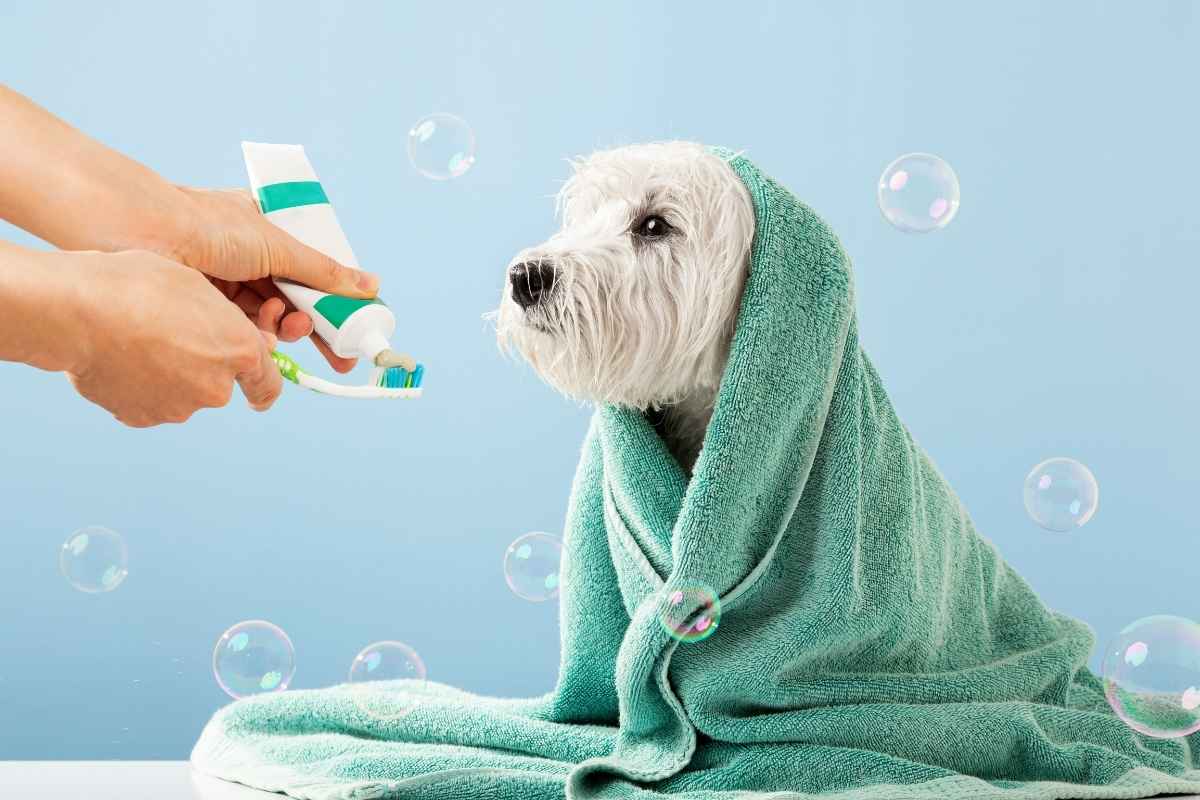
- Start slowly and allow your pet to smell the toothpaste.
- Let them taste a small amount first.
- Use a finger brush or soft pet toothbrush.
- Lift the lip gently.
- Brush in small circular motions along the gumline.
Focus on outer tooth surfaces since plaque accumulates there the most.
Brush at least 3–4 times per week. Daily brushing works best.
Common Mistakes to Avoid
Even well-meaning owners sometimes make dental care mistakes.
1. Brushing Too Hard
Aggressive brushing irritates gums and causes discomfort.
2. Skipping the Back Teeth
Molars collect the most plaque. Be sure to reach them gently.
3. Using Baking Soda
This home remedy changes the mouth pH and irritates tissues.
4. Inconsistent Brushing
Irregular brushing allows plaque to harden into tartar quickly.
5. Ignoring Early Signs
Red gums, drooling, or chewing on one side often signal dental pain.
Avoiding these mistakes helps ensure you are truly using the right toothpaste for dogs and cats effectively.
Signs Your Pet May Have Dental Disease
Watch for these warning signs:
- Bad breath
- Red or bleeding gums
- Pawing at the mouth
- Dropping food
- Difficulty chewing
- Excessive drooling
If you notice these symptoms, your pet may already need professional dental treatment.
At Milton Animal Hospital, veterinarians frequently identify dental disease early during routine exams, preventing more serious problems.
When Professional Cleaning Is Needed
Home brushing prevents disease, but it cannot remove hardened tartar below the gumline. Professional cleaning under anesthesia allows veterinarians to:
- Remove tartar
- Polish teeth
- Check for infection
- Extract damaged teeth if necessary
Routine professional cleanings, combined with home brushing, provide complete dental protection.
Making Dental Care Easier at Home
You can make brushing a positive experience by:
- Rewarding your pet afterward
- Brushing at the same time daily
- Staying calm and patient
- Using flavored toothpaste
Over time, pets learn to tolerate and even expect the routine.
Consistent brushing combined with proper pet dental care greatly improves comfort and health.
Dental health plays a vital role in your pet’s overall well-being. By learning proper brushing techniques and selecting the right toothpaste for dogs and cats, you can prevent infections, reduce discomfort, and improve quality of life. Consistency and early care make the biggest difference.
If you are in Alpharetta, GA, and looking for a veterinarian near you, book an appointment with Milton Animal Hospital. Their team can evaluate your pet’s teeth, recommend safe products, and help you build an effective home dental routine.
FAQs
Q1. How often should I brush my pet’s teeth?
Ans. Daily brushing is ideal, but at least 3–4 times weekly helps significantly.
Q2. Can dental chews replace brushing?
Ans. No. Chews help, but brushing remains the most effective method.
Q3. Is bad breath normal for pets?
Ans. No. Persistent bad breath often signals infection.
Q4. At what age should brushing start?
Ans. Begin during the puppy or kitten stages so they adapt easily.
Q5. Do cats really need tooth brushing?
Ans. Yes. Cats develop dental disease just as frequently as dogs.
Q6. How do I know if my pet needs professional cleaning?
Ans. Your veterinarian will evaluate tartar buildup and gum health during exams.