12460 Crabapple Rd #103, Alpharetta, GA 30004

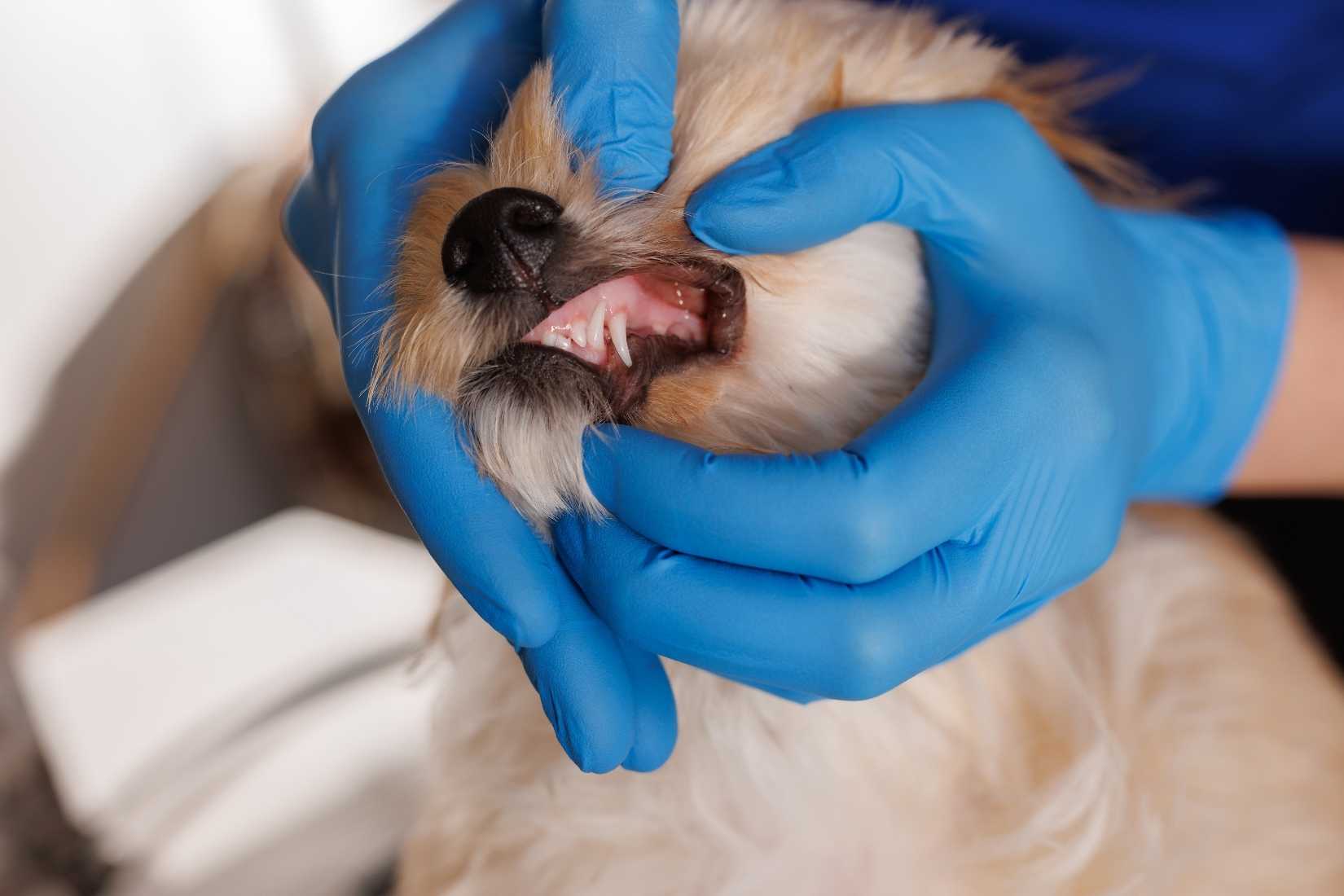
Most pet owners brush their dog’s coat, trim their nails, and schedule regular checkups but dental care is often overlooked. The truth is, oral health is one of the most critical and most commonly neglected aspects of pet wellness. Studies show that by age three, approximately 80 percent of dogs and 70 percent of cats exhibit signs of periodontal disease. Without proper veterinary dental care, these conditions can escalate into pain, tooth loss, and even serious internal organ damage.
At Milton Animal Hospital, your trusted veterinary hospital near you in Alpharetta, we take pet dental health seriously. Our dedicated dental care program covers everything from routine cleanings and oral examinations to advanced treatments, all designed to protect your pet’s mouth and overall well-being.
Why Pet Dental Disease Is a Silent Threat
The insidious nature of dental disease in pets is that it often develops silently. Your dog or cat may never yelp in pain, refuse to eat, or show obvious signs of discomfort even when suffering from significant oral disease. That’s why regular veterinary dental exams are so important. By the time you notice bad breath, excessive drooling, difficulty chewing, or pawing at the mouth, the disease has typically already advanced.
Periodontal disease begins with plaque, a soft bacterial film that forms on the teeth. Without regular removal, plaque hardens into tartar, which irritates the gum tissue and creates pockets where bacteria thrive. Left untreated, this process leads to gingivitis, then periodontitis, and ultimately tooth loss. The bacteria in an infected mouth can also travel through the bloodstream, potentially affecting the heart, kidneys, and liver.
Signs That Your Pet May Have Dental Problems
Knowing what to look for can help you catch dental issues early. Watch for the following signs in your dog or cat:
- Persistent bad breath that doesn’t improve with chewing or treats
- Yellow or brown discoloration on the teeth near the gumline
- Red, swollen, or bleeding gums
- Difficulty eating, chewing on one side, or dropping food
- Excessive drooling or drooling with blood
- Pawing at the face or mouth
- Loose or missing teeth
- Reluctance to have the mouth touched
If your pet is showing any of these signs, it’s time to schedule a dental evaluation at an animal hospital near me. Don’t wait, dental disease progresses quickly and causes real pain for your pet.
What Happens During a Professional Pet Dental Cleaning?
A professional dental cleaning at Milton Animal Hospital is a comprehensive procedure performed under general anesthesia. Anesthesia is essential for a thorough, safe cleaning it allows our veterinarians to probe beneath the gumline, take full-mouth dental radiographs, and examine every tooth without causing stress or pain to your pet.
The cleaning process includes scaling to remove plaque and tartar from above and below the gumline, polishing to smooth tooth surfaces and reduce future plaque adherence, full-mouth dental X-rays to evaluate roots and bone structure, probing of each tooth for pocket depth and signs of disease, and extraction of any teeth that are non-salvageable due to severe disease.
Following the procedure, our team will walk you through a personalized home dental care plan and schedule your pet’s next cleaning based on their individual needs. We also provide guidance on at-home brushing, dental chews, and water additives that support oral health between professional cleanings.
Dog Dentistry: Specific Considerations for Canine Patients
Dogs are prone to a variety of dental problems beyond periodontal disease. Fractured teeth often caused by chewing on hard objects like bones, antlers, or ice cubes are common and can expose the sensitive pulp, leading to infection. We also frequently diagnose retained deciduous teeth in puppies, where baby teeth fail to fall out as the adult teeth emerge, creating crowding and bite problems.
Our dental care for dogs includes complete oral health evaluations, professional cleanings, tooth extractions when necessary, and guidance on safe chewing habits. We’ll also advise you on the best strategies for brushing your dog’s teeth at home, even if your pup is less than enthusiastic about the process.
Cat Dentistry: Addressing Feline-Specific Dental Conditions
Cats face their own set of dental challenges. Tooth resorption a painful condition where the tooth structure breaks down from the inside affects an estimated 30 to 70 percent of cats at some point in their lives. Unfortunately, because cats hide pain so effectively, tooth resorption often goes undetected until it has caused significant damage.
Stomatitis, a severe and painful inflammation of the entire oral cavity, is another serious condition that occurs in some cats. It can make eating extremely difficult and significantly impacts quality of life. At Milton Animal Hospital, our veterinarians are experienced in diagnosing and treating these feline-specific dental conditions with both medical management and surgical intervention when needed.
How to Support Your Pet’s Dental Health at Home
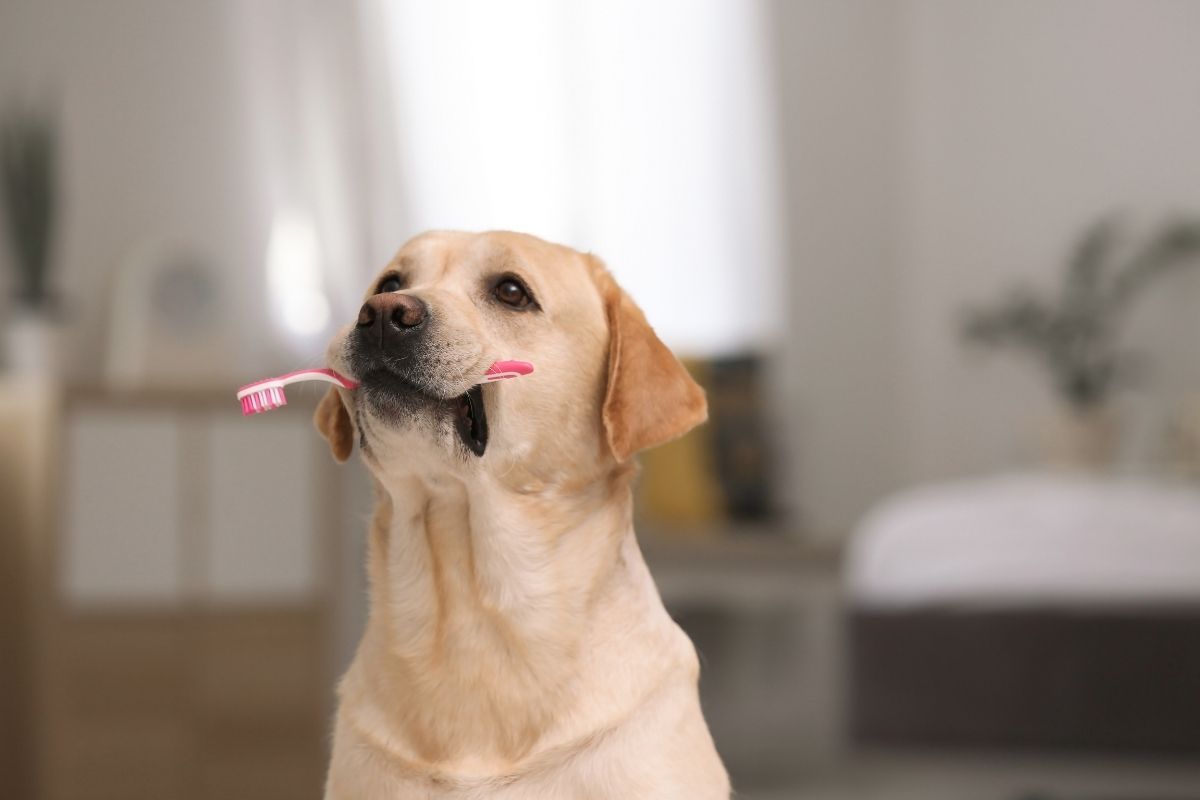
Professional dental cleanings are essential, but at-home care between visits makes a significant difference in slowing the progression of dental disease. Daily brushing with a pet-specific toothpaste is the gold standard for home dental care. It may take time and patience to get your pet comfortable with the process, but most dogs and cats can be gradually trained to accept it.
If brushing is not feasible, dental wipes, oral rinses, water additives, and vet-approved dental chews can help reduce plaque accumulation. Ask our team for specific product recommendations – not all over-the-counter dental products are equally effective or safe for pets.
Schedule Your Pet’s Dental Exam at Milton Animal Hospital
Your pet’s smile is worth protecting. Contact Milton Animal Hospital at (770) 526-2750 or book online to schedule a dental evaluation. We serve families throughout Alpharetta, Milton, Roswell, and Crabapple, and we’re ready to help your pet enjoy a healthier, pain-free mouth.
Frequently Asked Questions
1. How often should my pet have a professional dental cleaning?
Ans: Most dogs and cats benefit from a professional dental cleaning once a year, though some pets with a history of significant dental disease may need more frequent care. Our team will recommend a schedule tailored to your pet’s specific oral health needs.
2. Is it safe to anesthetize my pet for a dental cleaning?
Ans: Yes. Anesthesia is necessary for a safe, thorough dental cleaning in pets, and our team takes every precaution to minimize risk. Pre-anesthetic bloodwork helps us identify any underlying conditions, and continuous monitoring throughout the procedure ensures your pet’s safety. The risks of untreated dental disease far exceed the risks of an appropriately managed anesthetic procedure.
3. How can I tell if my pet has a toothache?
Ans: Pets rarely cry out in tooth pain, but they may show signs such as reluctance to eat or chew, favoring one side of the mouth, dropping food, pawing at the face, unusual drooling, or behavioral changes like increased irritability. Any of these signs warrants a dental evaluation.
4. Can I use human toothpaste to brush my pet’s teeth?
Ans: No. Human toothpaste contains fluoride and xylitol, both of which are toxic to pets. Always use a toothpaste specifically formulated for dogs or cats, which comes in palatable flavors like chicken or beef to make brushing more enjoyable.
5. Does Milton Animal Hospital offer cat dental care as well as dog dental care?
Ans: Yes, we provide dental care for both dogs and cats, including professional cleanings, full-mouth X-rays, tooth extractions, and treatment for feline-specific conditions like tooth resorption and stomatitis. Our team has experience with both canine and feline oral health.