12460 Crabapple Rd #103, Alpharetta, GA 30004

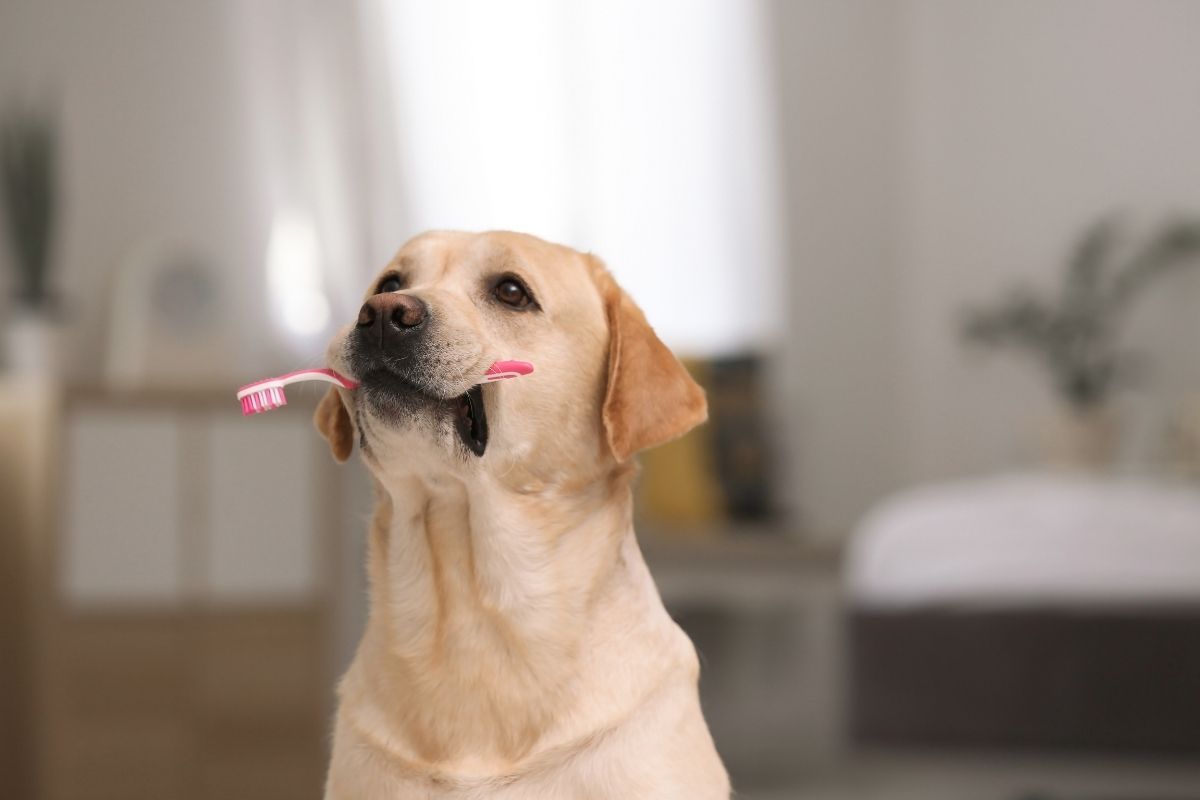
Many pet owners don’t realize that dental problems can quietly affect their dog’s overall health long before obvious symptoms appear. From bad breath to trouble eating, the warning signs of dog dental disease are often easy to miss until the condition becomes painful or serious.
In this guide, we’ll explain the most common signs your dog may need a professional dog dental cleaning, why early treatment matters, and how veterinary dental cleaning for dogs can help protect your pet’s health. If you live in Alpharetta, Milton, Crabapple, Roswell, or nearby areas, understanding these symptoms can help you know when it’s time to schedule a dental exam for your furry companion.
Why Dog Dental Health Matters
Dental health is a major part of your dog’s overall wellness. Just like humans, dogs can develop plaque, tartar buildup, gum disease, and infections if their teeth are not properly cared for. Unfortunately, many dogs show very subtle symptoms in the early stages of dental disease.
Studies show that most dogs over the age of three have some level of periodontal disease. Left untreated, dental infections can spread bacteria through the bloodstream and potentially affect the heart, liver, and kidneys.
Routine veterinary dental care for dogs helps remove harmful plaque and tartar while identifying dental problems before they become severe.
Common Warning Signs of Dog Dental Disease
Recognizing the early warning signs of dog dental disease can help prevent pain and costly treatment later. Here are the most common symptoms pet owners should watch for.
Persistent Bad Breath
A little “dog breath” is normal, but strong or foul-smelling breath is often one of the first signs of dental disease.
Bad breath may indicate:
- Plaque and tartar buildup
- Gum infection
- Tooth decay
- Bacteria trapped below the gumline
If your dog’s breath suddenly becomes much worse, it’s a good idea to schedule a dental exam.
Yellow or Brown Tartar Buildup
Visible tartar on your dog’s teeth is another clear sign that professional dog dental cleaning may be needed.
Tartar usually appears as:
- Yellow or brown deposits near the gumline
- Thick buildup on back teeth
- Rough surfaces on teeth
Once tartar hardens, brushing alone cannot remove it. Professional cleaning is typically necessary to safely clean beneath the gums and polish the teeth.
Red, Swollen, or Bleeding Gums
Healthy gums should appear pink and firm. Inflamed or bleeding gums are often signs of gingivitis, the earliest stage of periodontal disease.
Watch for symptoms like:
- Bright red gums
- Swelling around the teeth
- Bleeding when chewing toys or treats
- Sensitivity around the mouth
Early treatment can often reverse gingivitis before permanent damage occurs.
Difficulty Eating or Chewing
Dogs are naturally good at hiding pain, so changes in eating habits can be an important clue.
Signs may include:
- Dropping food while eating
- Chewing on one side of the mouth
- Avoiding hard treats or kibble
- Eating more slowly than usual
Some dogs may even lose interest in food altogether if oral pain becomes severe.
Excessive Drooling
Increased drooling may be related to dental discomfort or oral infection. While some breeds naturally drool more than others, sudden or excessive drooling should not be ignored.
Dental-related drooling may also include:
- Blood-tinged saliva
- Thick saliva
- Pawing at the mouth
This symptom can sometimes indicate advanced dental disease or a damaged tooth.
Loose or Missing Teeth
Adult dogs should not lose teeth under normal circumstances. Loose or missing teeth usually suggest advanced periodontal disease.
Severe gum disease can weaken the structures supporting the teeth, leading to:
- Tooth loss
- Painful infections
- Difficulty chewing
- Bone damage
Professional veterinary dental cleaning for dogs may help prevent further progression if caught early enough.
Pawing at the Mouth or Face
Dogs experiencing oral discomfort often rub their faces against furniture, paw at their mouths, or resist having their faces touched.
Behavioral signs of dental pain may include:
- Irritability
- Pulling away during petting
- Sudden aggression around the mouth
- Whining while chewing
Because dogs cannot verbally communicate pain, these behavioral changes are important warning signs.
Changes in Behavior or Energy Levels
Dental disease can affect more than just the mouth. Chronic pain and infection may lead to noticeable changes in your dog’s mood and activity.
Some dogs become:
- Less playful
- More tired than usual
- Withdrawn
- Easily irritated
Pet owners in Alpharetta and nearby communities are often surprised to see how much more energetic their dogs become after professional dental treatment.
What Happens During Professional Dog Dental Cleaning?
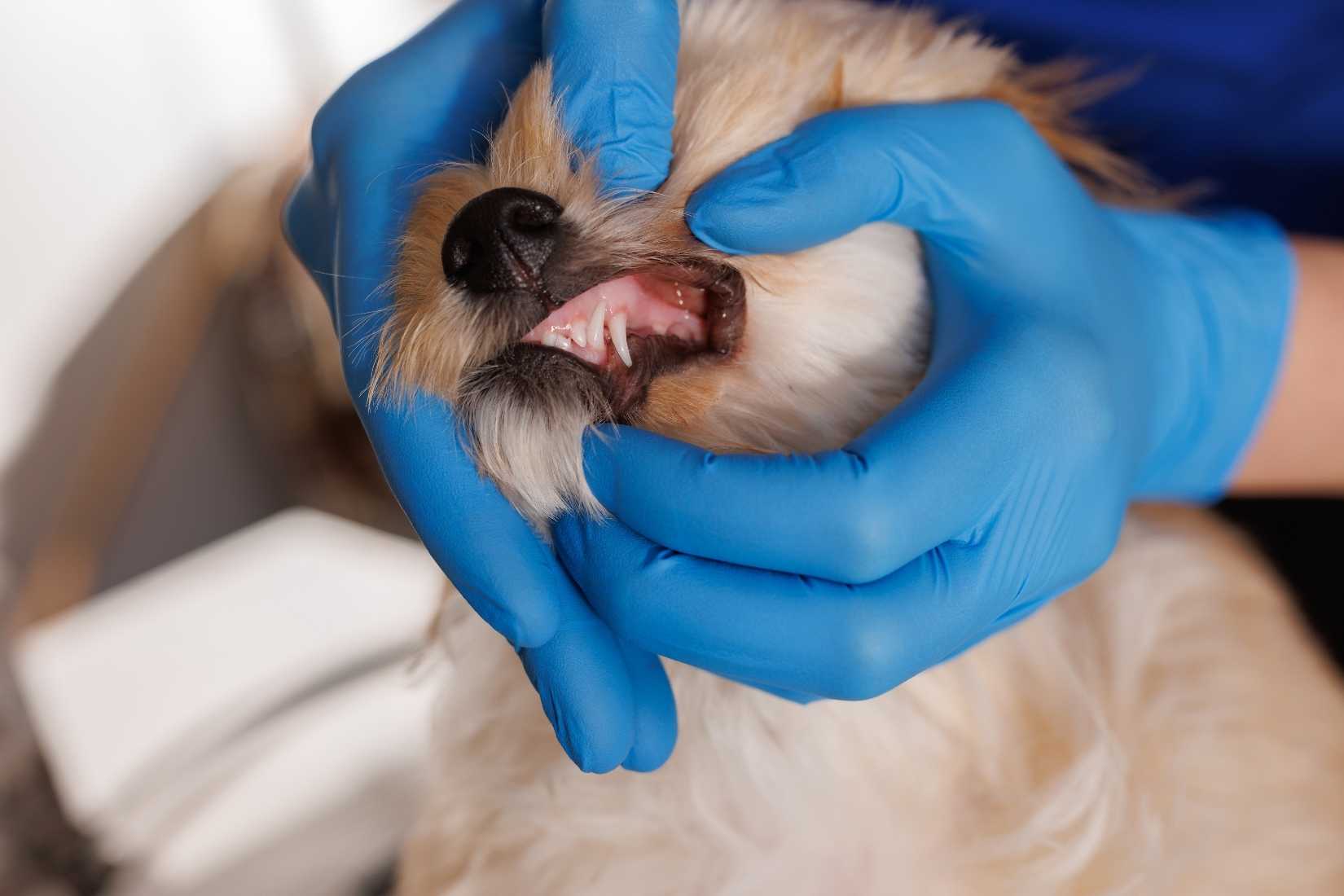
Many pet owners are unsure what to expect during veterinary dental cleaning for dogs. Professional dental cleanings are much more thorough than at-home brushing and are designed to clean both above and below the gumline safely.
A typical dental cleaning may include:
- Full oral examination
- Dental X-rays, if needed
- Scaling to remove plaque and tartar
- Polishing the teeth
- Cleaning beneath the gums
- Tooth extractions, if necessary
Dogs are usually placed under anesthesia during the procedure to ensure safety, comfort, and proper cleaning.
Why At-Home Brushing Alone Is Not Enough
Brushing your dog’s teeth at home is important, but it cannot fully replace professional care.
Even with regular brushing, plaque can harden into tartar over time. Once tartar forms below the gumline, specialized veterinary tools are needed to remove it safely.
The best dental care routine combines:
- Daily or regular brushing
- Dental chews approved by your veterinarian
- Routine oral exams
- Professional dog dental cleaning when recommended
How Often Should Dogs Get Dental Cleanings?
The frequency of cleanings depends on your dog’s breed, age, and overall dental health.
Some dogs may need cleanings every year, while others can go longer between procedures. Smaller breeds often develop dental disease more quickly because their teeth are crowded together.
Your veterinarian may recommend more frequent cleanings if your dog has:
- Heavy tartar buildup
- Prior dental disease
- Bad breath
- Gum inflammation
- Certain medical conditions
Routine checkups help determine the best schedule for your pet.
Tips to Help Prevent Dental Disease in Dogs
Preventive care can make a major difference in your dog’s long-term oral health.
Here are some simple ways to reduce the risk of dental disease:
- Brush your dog’s teeth regularly
- Use veterinarian-approved dental chews
- Schedule routine wellness exams
- Watch for changes in eating habits
- Avoid giving overly hard objects that can crack teeth
- Ask your veterinarian about dental diets
Starting dental care early can help your dog stay healthier and more comfortable as they age.
Prevent Your Dog’s Illnesses Starting With Dental Care
Dental disease is one of the most common health issues in dogs, but it’s also one of the most preventable. Recognizing the warning signs of dog dental disease early can help protect your pet from pain, infection, and more serious health problems.
From bad breath and tartar buildup to changes in eating habits and behavior, these symptoms should never be ignored. Professional veterinary dental cleaning for dogs helps keep your pet’s mouth healthy while supporting their overall quality of life.
If your dog is showing signs of dental discomfort, book a dental exam appointment with Milton Animal Hospital to learn more about professional dental care services in Alpharetta, Milton, Crabapple, Roswell, and nearby communities.
FAQs
Q1: How do I know if my dog needs professional dental cleaning?
Ans: Common signs include bad breath, yellow tartar buildup, red gums, difficulty chewing, excessive drooling, and changes in behavior. A veterinarian can determine whether professional dog dental cleaning is needed.
Q2: Is veterinary dental cleaning for dogs safe?
Ans: Yes, professional dental cleanings are generally very safe when performed by an experienced veterinary team. Your dog is carefully monitored throughout the procedure, including during anesthesia.
Q3: How often should dogs have their teeth professionally cleaned?
Ans: Many dogs benefit from yearly dental cleanings, though some may need them more often depending on breed, age, and dental health.
Q4: Can dental disease in dogs cause other health problems?
Ans: Yes. Untreated dental infections may spread bacteria to other organs, potentially affecting the heart, liver, and kidneys.
Q5: What is the difference between at-home brushing and professional dog dental cleaning?
Ans: At-home brushing helps reduce plaque, but professional veterinary dental cleaning for dogs removes hardened tartar and cleans beneath the gumline where disease often develops.