12460 Crabapple Rd #103, Alpharetta, GA 30004

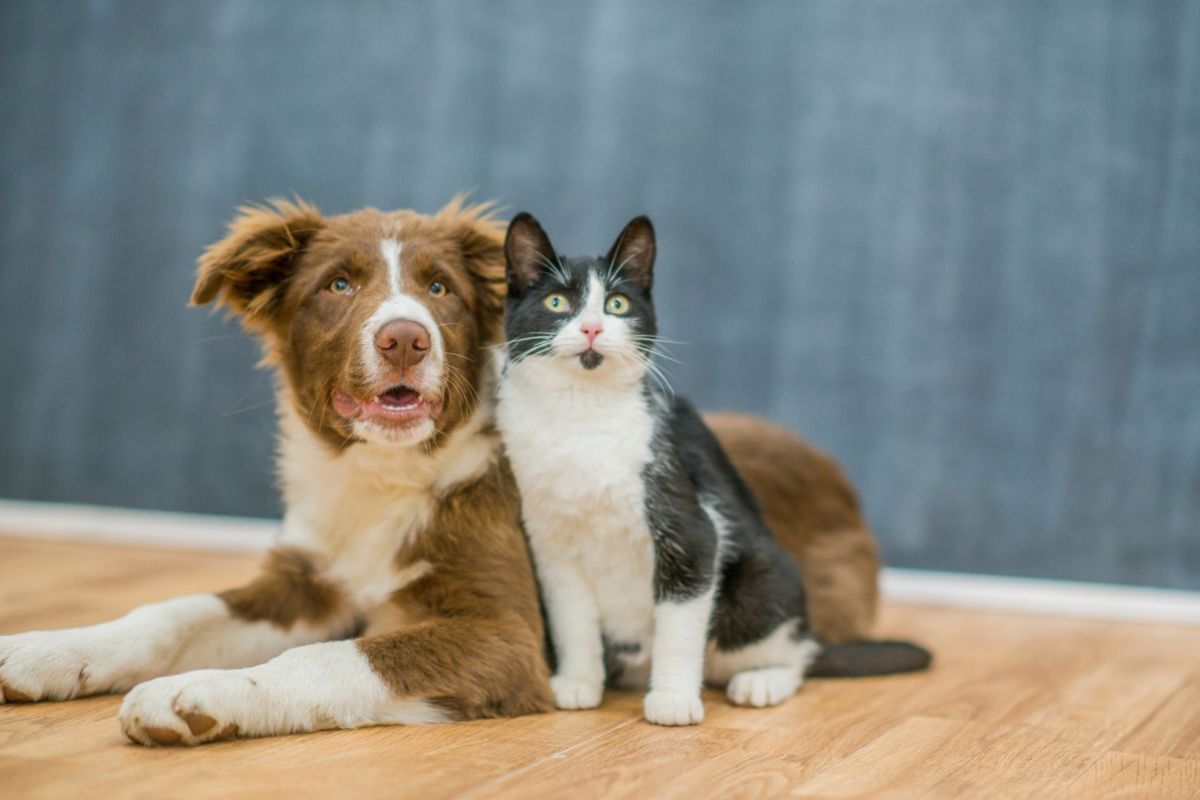
A sudden change in your pet’s bathroom habits can be concerning, especially when you notice unusual tissue protruding from the anal area. One condition that requires prompt veterinary attention is rectal prolapse. It can affect both dogs and cats and may cause discomfort, swelling, and difficulty passing stool. Recognizing the signs early and knowing how to respond can help protect your pet from further complications.
Understanding when your pet needs urgent pet care is important because exposed rectal tissue can become irritated, swollen, dry, or damaged if left untreated. Rather than attempting home treatment, pet owners should seek professional veterinary guidance as soon as possible. Knowing what causes rectal prolapse, what symptoms to watch for, and what steps to take can help you make informed decisions about your pet’s health.
What Is Rectal Prolapse in Dogs and Cats?
Rectal prolapse occurs when one or more layers of the rectum protrude through the anal opening. The affected tissue may appear as a pink or red, moist, tube-shaped mass extending from your pet’s anus. In some cases, the protrusion may be small, while more severe cases involve a larger portion of the rectal tissue.
This condition can develop in both young and adult pets. It is often associated with repeated straining during bowel movements or urination. Although rectal prolapse may initially appear to be a minor swelling, it should always be evaluated by a veterinarian.
Exposed tissue can quickly become irritated or damaged through contact with the environment, excessive licking, and continued straining. Prompt urgent vet care helps determine the severity of the condition and the appropriate treatment.
Common Signs of Rectal Prolapse in Pets
Recognizing the symptoms of rectal prolapse can help you respond quickly. The most noticeable sign is tissue protruding from the anal opening, but other symptoms may appear depending on the underlying cause.
Watch for these signs:
- Visible red or pink tissue: A moist, swollen mass may extend from the anus.
- Repeated straining: Your pet may repeatedly attempt to pass stool without producing much.
- Frequent licking: Dogs and cats may lick the affected area because of irritation or discomfort.
- Swelling around the anus: The surrounding tissue may become inflamed or swollen.
- Difficulty passing stool: Your pet may show signs of discomfort during bowel movements.
- Changes in behavior: Restlessness, reduced activity, hiding, or unusual sensitivity around the rear end may occur.
In some cases, the exposed tissue may become darker, dry, or discolored. These changes can indicate compromised tissue health and require immediate veterinary attention. Do not wait for additional symptoms to develop before contacting a veterinarian.
What Causes Sudden Rectal Prolapse in Pets?
Rectal prolapse generally develops because of repeated straining that places pressure on the rectum and surrounding tissues. Several health conditions can contribute to this problem, and identifying the underlying cause is essential for successful treatment.
Common causes include:
- Persistent diarrhea: Frequent bowel movements and intestinal irritation can cause repeated straining.
- Intestinal parasites: Worms and other intestinal parasites may cause inflammation, diarrhea, and discomfort, particularly in puppies and kittens.
- Chronic constipation: Difficulty passing hard stools can place excessive pressure on the rectal area.
- Digestive tract inflammation: Conditions affecting the intestines or colon may lead to repeated attempts to defecate.
- Urinary problems: Certain urinary conditions can cause pets to strain while trying to urinate.
- Rectal abnormalities: Injuries, growths, or other problems involving the rectum may contribute to prolapse.
Young pets may be particularly vulnerable because intestinal parasites and digestive problems can cause frequent straining. However, pets of any age can develop this condition. A veterinary examination is necessary to determine which underlying issue is responsible. Merck Veterinary Manual+2
What Should You Do If Your Pet Experiences a Sudden Rectal Prolapse?
Seeing tissue protruding from your pet’s anus can be alarming. However, taking appropriate steps while arranging veterinary attention can help prevent additional irritation and tissue damage.
Here is what you should do:
- Contact a veterinarian immediately: A visible rectal protrusion requires prompt professional evaluation. Call us to discuss your pet’s symptoms and arrange an appropriate visit.
- Prevent excessive licking: Pets may try to lick or bite the affected area, which can cause further irritation. Use a properly fitted protective cone if available.
- Keep the exposed tissue moist: If tissue is protruding, gently protect it with sterile saline-moistened gauze while arranging veterinary care. Avoid letting it dry out.
- Avoid attempting to reposition the tissue: Never try to push the protruding tissue back into place yourself. Improper handling can cause pain, bleeding, or additional damage.
- Monitor your pet’s condition: Pay attention to changes in tissue color, swelling, bleeding, appetite, and bathroom habits. Share these observations with your veterinarian.
Do not apply household creams, disinfectants, or medications unless your veterinarian specifically recommends them. Most importantly, do not delay professional care, even if the protrusion appears small or temporarily disappears. PetMD+2
How Is Rectal Prolapse Diagnosed and Treated?
When you bring your pet to a veterinarian, the first step is usually a physical examination. The veterinarian will assess the protruding tissue, check for swelling or damage, and evaluate your pet’s overall condition.
Additional diagnostic tests may be recommended to identify the underlying cause. Depending on your pet’s symptoms, these may include:
- Fecal testing to check for intestinal parasites.
- Blood tests to evaluate general health and identify signs of inflammation.
- X-rays or ultrasound to investigate possible intestinal or urinary problems.
- A rectal examination to assess the affected area.
Treatment depends on how much tissue has protruded, whether the tissue is still healthy, and what caused the condition.
For some pets, the veterinarian may gently clean and lubricate the exposed tissue before carefully repositioning it under anesthesia. A temporary purse-string suture may be placed around the anal opening to help keep the tissue in its proper position while allowing stool to pass.
If the tissue is severely damaged or the prolapse keeps returning, surgery may be necessary. Treatment of the underlying condition, such as intestinal inflammation, parasites, or urinary problems, is also important to reduce the likelihood of recurrence. Merck Veterinary Manual+2
How Can Pet Owners Support Recovery After Treatment?
Recovery requires careful monitoring and following your veterinarian’s instructions. Your pet may need temporary dietary adjustments, prescribed medications, or stool softeners to make bowel movements easier.
Here are a few ways to support recovery:
- Follow the recommended feeding schedule and dietary instructions.
- Give prescribed medications exactly as directed.
- Keep the affected area clean according to your veterinarian’s guidance.
- Prevent excessive licking or scratching during healing.
- Monitor bowel movements and watch for repeated straining.
- Attend recommended follow-up appointments.
If you notice renewed swelling, protruding tissue, bleeding, or difficulty passing stool, contact our veterinarian promptly. Consistent aftercare can help reduce discomfort and support healing.
When Should You Seek Urgent Pet Care in Alpharetta?
A sudden rectal prolapse should always be treated as a condition requiring prompt veterinary attention. Exposed tissue can become swollen, dry, ulcerated, or damaged, particularly when the condition is left untreated.
If you notice red or pink tissue protruding from your pet’s anus, repeated straining, or signs of discomfort, seek urgent pet care without delay. Changes in tissue color, especially dark red, purple, or black discoloration, are particularly concerning.
Finding a veterinarian near you who can assess your pet’s condition quickly is important. Timely evaluation helps determine the appropriate treatment and addresses the underlying cause before further complications develop.
If your pet is experiencing these symptoms, contact our animal hospital for guidance. Call us at 770-697-0806 to discuss your pet’s condition and arrange an evaluation. At Milton Animal Hospital, we understand how concerning sudden health changes can be for pet owners. Our veterinary team provides attentive care to pets in Alpharetta and surrounding communities, helping families address urgent health concerns and make informed decisions about their pets’ well-being.
Frequently Asked Questions
1. Can rectal prolapse heal on its own in pets?
Ans: Rectal prolapse should not be left untreated, even if the exposed tissue temporarily returns to its normal position. Veterinary evaluation is necessary to identify the cause and prevent recurrence.
2. Is rectal prolapse painful for dogs and cats?
Ans: Yes. Pets may experience discomfort, swelling, irritation, and pain, especially when passing stool or when the exposed tissue becomes inflamed.
3. Can puppies and kittens develop rectal prolapse?
Ans: Yes. Puppies and kittens are particularly susceptible because intestinal parasites, diarrhea, and digestive problems can cause repeated straining.
4. Can rectal prolapse happen again after treatment?
Ans: Yes. Recurrence is possible if the underlying cause is not properly addressed. Following veterinary recommendations and attending follow-up visits can help reduce this risk.
5. When should I contact a veterinarian for rectal prolapse?
Ans: Contact a veterinarian immediately if you notice tissue protruding from your pet’s anus, repeated straining, swelling, or discomfort. Prompt treatment helps protect the affected tissue and supports recovery.