12460 Crabapple Rd #103, Alpharetta, GA 30004

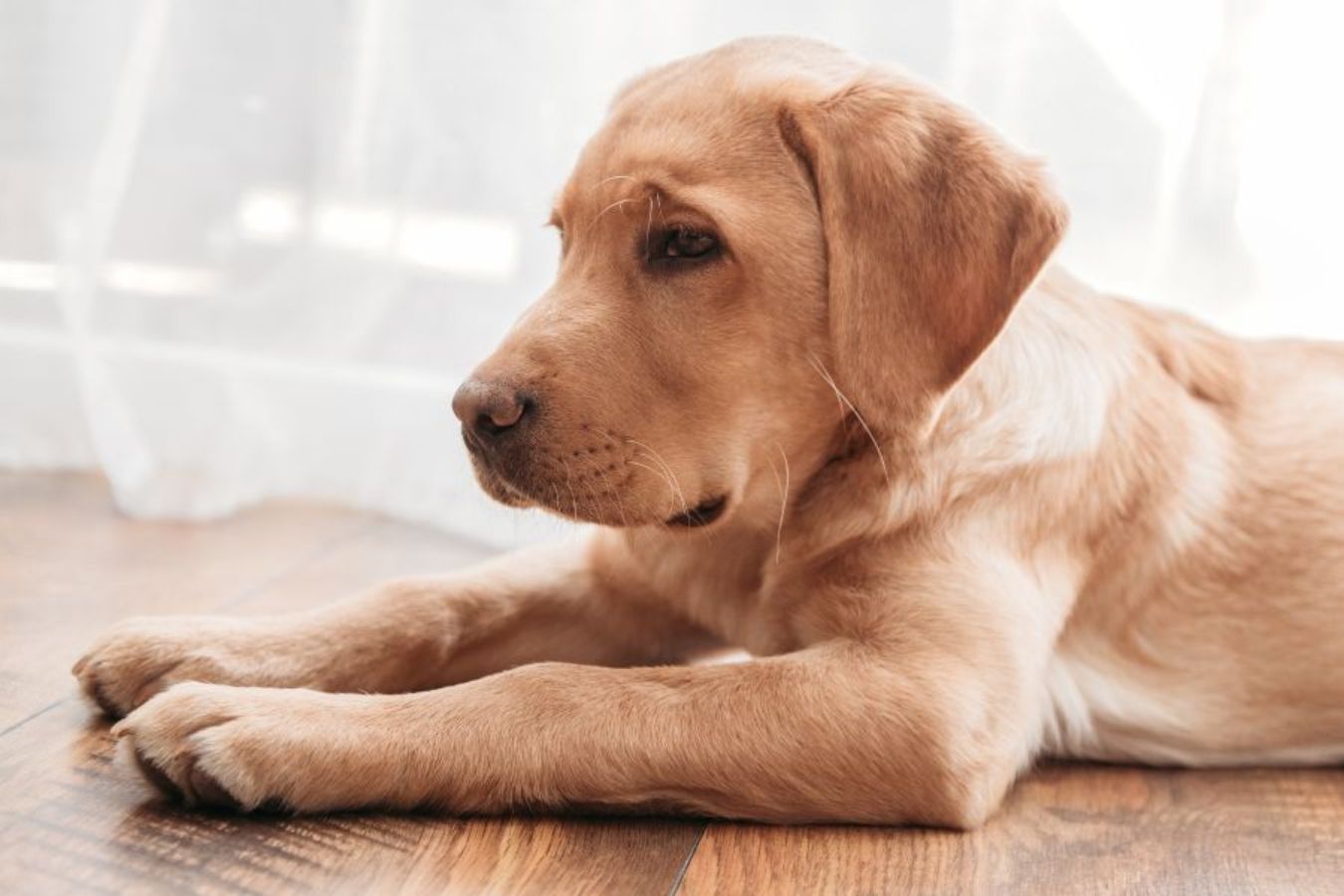
Your dog collapses in the yard after fifteen minutes of fetch, panting hard and unable to stand back up right away. This scenario plays out in veterinary clinics every summer, and it often traces back to heat-related illness that owners did not catch early enough. Dogs and cats cannot cool themselves the way people do. Their symptoms can move from mild discomfort to a life-threatening problem quickly.
Many pet owners assume heavy panting and seeking shade simply means their pet is warm. Those signs can actually mark the early stages of something far more serious, especially once symptoms progress past the mildest stage. Recognizing trouble before it escalates gives your pet the best chance at a fast, full recovery with fewer complications. This guide covers what this condition looks like, why some pets face higher risk than others, and exactly what to do the moment you suspect trouble.
What Heat-Related Illness Really Means for Pets
This condition happens when a pet’s body temperature climbs faster than it can cool itself down. Dogs and cats rely mainly on panting and limited sweating through their paw pads, which makes them far less efficient at regulating temperature than humans. A normal body temperature for dogs and cats sits between 100.5 and 102.5 degrees Fahrenheit. Once it climbs above 106 degrees, internal organs can begin to suffer damage.
The condition tends to move in stages, starting with mild overheating and progressing toward heat exhaustion and eventually heatstroke if nothing intervenes. Pet owners often tell us they assumed their dog would simply slow down or find shade on its own. Some breeds and pets with certain health conditions cannot self-regulate that well.
Understanding these stages matters because early action can prevent a mild case from turning into an emergency. Many owners first notice dog heat exhaustion symptoms during or right after physical activity outdoors. The sooner you recognize what is happening, the more treatment options remain available.
What Are the Early Warning Signs of Pet Heatstroke?
The earliest signs of pet heatstroke include heavy panting, bright red gums, drooling, and a pet that seems unusually tired or unwilling to move. If your pet shows any combination of these signs after time outdoors, treat it as urgent. Cool them down right away.
Watch for the following signs in dogs and cats:
- Excessive panting or panting that will not slow down even after moving to shade or a cooler area
- Bright red or purple gums and tongue, which signals the body is struggling to circulate oxygen
- Thick, ropey drool that looks different from a pet’s normal saliva
- Wobbly walking, stumbling, or sudden weakness in the back legs
- Vomiting or diarrhea that appears suddenly during or after heat exposure
- Collapse or loss of consciousness, which signals a true emergency
In our experience, cats show subtler signs than dogs, often hiding and becoming unusually still rather than panting heavily. Learning to spot pet heatstroke warning signs early is one of the most valuable things any owner can do. If you notice any of these signs, contact your veterinarian promptly.
Which Pets Face the Highest Risk From Hot Weather?
Certain pets face significantly higher risk of dog heat exhaustion symptoms and related complications than others. Short-nosed breeds like bulldogs, pugs, and Persian cats struggle more because their airways are naturally narrower, making efficient panting harder. Overweight pets, senior pets, and those with heart or respiratory conditions also cool down more slowly than a healthy, younger animal.
Environment plays a major role too. Pets left in parked vehicles, on hot pavement, or without shade during peak afternoon hours face the greatest danger. In Alpharetta, high humidity and long, sunny afternoons push heat index values well above the actual air temperature.
One common misconception we hear often is that a shady yard alone keeps a pet safe. Shade helps, but humidity and lack of airflow can still allow body temperature to climb even without direct sun.
Age and coat type add further risk factors that many owners overlook. Puppies and kittens cannot regulate body temperature as efficiently as adult pets, and thick-coated breeds trap heat close to the skin even in mild weather. Pets recovering from illness or surgery also tolerate heat stress poorly, since their bodies are already working harder to maintain normal function. Considering these factors together helps you judge risk more accurately than temperature alone. It is part of why so many local families search for urgent pet care Alpharetta options before summer even begins.
How Do Veterinarians Diagnose and Treat This Condition?
Veterinarians diagnose the condition by checking rectal temperature, gum color, hydration status, and heart rate, along with bloodwork when heatstroke is suspected. Many dogs and cats we see arrive already showing signs of dehydration on top of elevated temperature, which changes how quickly treatment needs to begin.
If you suspect pet heatstroke warning signs at home, follow these steps immediately on your way to care:
- Move your pet to a cool, shaded, or air-conditioned space right away.
- Offer small amounts of cool water, but never force your pet to drink.
- Apply cool, not ice-cold, water to the paws, belly, and ears using a damp towel.
- Avoid ice packs directly on the skin, since rapid cooling can cause other complications.
- Head to a veterinarian immediately, even if your pet seems to improve during the drive.
Treatment often includes intravenous fluids, controlled cooling, and monitoring for organ complications that can develop hours after the initial episode. Cooling an overheated pet correctly with damp towels before you arrive can noticeably improve recovery time. Pet owners in the Alpharetta area often bring pets in after outdoor exertion during the hottest afternoon hours. Prompt action before arrival genuinely improves outcomes.
When Should You Seek Urgent Pet Care for Heat Exposure?
Any pet showing collapse, vomiting, extreme lethargy, or changes in gum color after heat exposure needs urgent veterinary care. These signs indicate the body is already struggling to cope. Waiting to see if symptoms improve on their own can allow organ damage to progress.
At Milton Animal Hospital, our team in Alpharetta sees a steady rise in heat-related cases once temperatures and humidity climb each year. We frequently remind our clients that home cooling steps are only a bridge to veterinary care, never a substitute for it. Having a plan and a phone number saved ahead of time makes a real difference during a stressful moment.
Call us at 770-526-2750 when your pet needs urgent pet care Alpharetta pet owners trust for fast, thorough evaluation. Our team can walk you through immediate steps over the phone while you head in.
Heat-related illness can move quickly, but pet owners who recognize the early signs and act without hesitation give their pets the best possible outcome. Watch closely for heavy panting, red gums, weakness, or sudden collapse, especially in higher-risk breeds and during peak afternoon heat.
Safely cooling an overheated pet on the way to care can make a meaningful difference in how quickly your pet recovers. Do not wait to see if symptoms pass. Keep fresh water available, limit outdoor time during peak heat, and know the signs before hot weather arrives. Milton Animal Hospital encourages every pet owner to build this awareness into their summer routine well ahead of the hottest months. Book an appointment today.
Frequently Asked Questions
Q1: What are the first signs of heatstroke in dogs?
Ans: The first signs typically include heavy, uncontrolled panting, bright red gums, thick drool, and noticeable weakness or unwillingness to move. Some dogs also show sudden vomiting or stumbling. These signs should never be ignored, even if they seem mild at first.
Q2: Can cats get heatstroke too?
Ans: Yes, cats can develop heat-related illness, though they often show subtler signs than dogs, such as hiding, excessive stillness, or rapid breathing. Because cats mask discomfort well, any unusual lethargy during hot weather deserves attention.
Q3: How long does it take for a pet to overheat?
Ans: Pets can overheat in as little as fifteen to twenty minutes in hot, humid conditions, especially inside a parked vehicle or on direct sun exposure without shade. Short-nosed breeds and senior pets can overheat even faster.
Q4: What should I do first if my pet shows signs of heatstroke?
Ans: Move your pet to a cool, shaded, or air-conditioned area immediately and offer small sips of cool water. Apply cool, damp towels to the paws and belly while heading straight to a veterinarian.
Q5: Are certain pet breeds more prone to heat-related illness?
Ans: Yes, short-nosed breeds like bulldogs, pugs, and Persian cats face higher risk because their airways make efficient panting more difficult. Overweight, senior, and pets with heart or respiratory conditions also face elevated risk.