12460 Crabapple Rd #103, Alpharetta, GA 30004

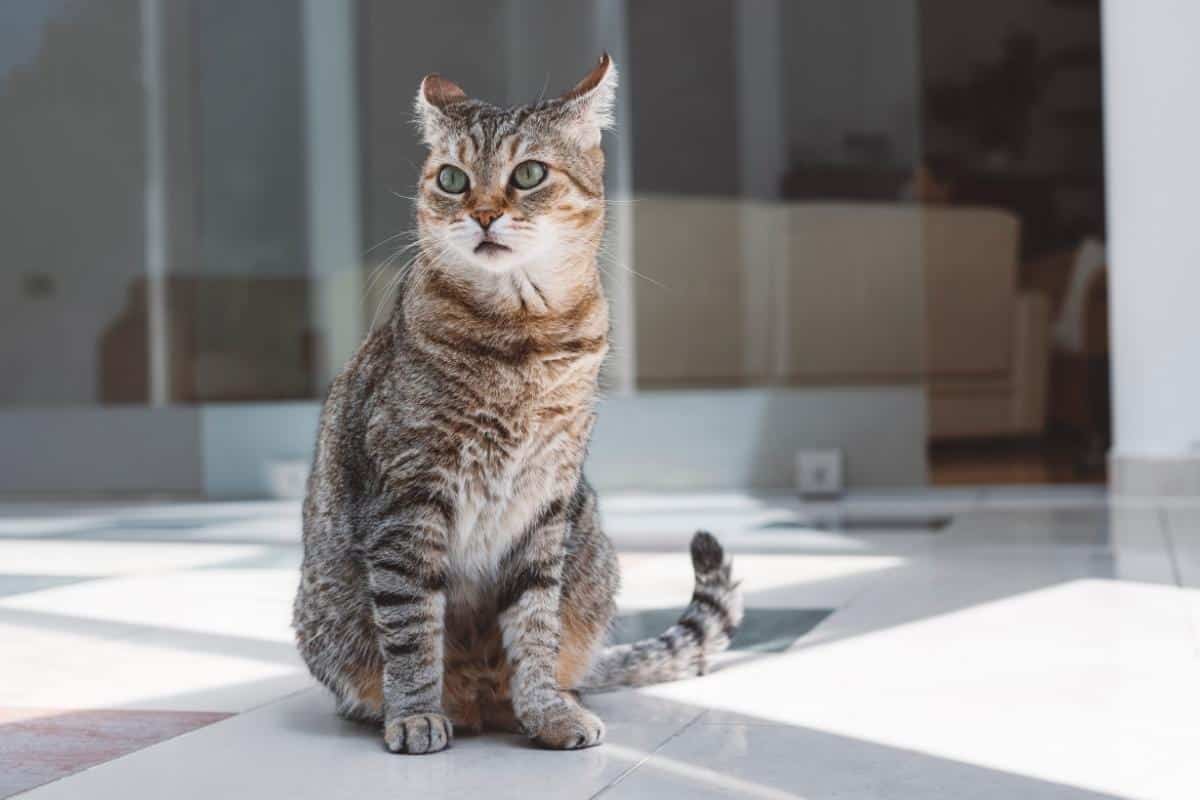
Cats are agile, but they are not immune to injuries after a fall. Whether your cat slipped from a staircase, jumped from a balcony, or lost its footing on a shelf, a fall can lead to hidden injuries that are not always obvious right away. Even if your cat seems normal after landing, it’s important to monitor for subtle signs that something may be wrong.
Falls can affect a cat’s bones, joints, internal organs, and overall mobility. Understanding what to watch for can help you determine when your pet needs professional attention. If you’re searching for urgent pet care Alpharetta services after your cat experiences a fall, knowing the risks can make all the difference.
Why Cats Fall More Often Than You Think
Cats are known for their excellent balance and their ability to land on their feet. However, several situations can increase the likelihood of a fall, including:
- Slippery surfaces inside the home
- Open windows without secure screens
- Balcony railings
- Tall furniture and bookshelves
- Stairs
- Startling noises that cause sudden movement
- Reduced mobility in senior cats
Even indoor cats can experience falls that result in injuries. While some incidents are minor, others may cause trauma that isn’t immediately visible.
Can Cats Really Land Safely Every Time?
Many people believe cats always land safely because of their “righting reflex,” which helps them reposition themselves while falling. Although this reflex can reduce the impact of a fall, it does not guarantee that your cat will avoid injury.
A cat’s age, size, overall health, and the height of the fall all play a role in determining the outcome. Cats that fall from moderate heights may still experience:
- Sprains and strains
- Fractures
- Bruising
- Dental injuries
- Head trauma
- Chest injuries
- Internal bleeding
This is why a fall should never be dismissed simply because your cat walked away afterward.
Signs Your Cat May Need Immediate Veterinary Attention After a Fall
One of the challenges with feline injuries is that cats are masters at hiding pain. A cat that appears calm may still be experiencing significant discomfort.
Watch for the following signs after a fall:
Limping or Difficulty Walking
If your cat favors one leg, walks unevenly, or refuses to put weight on a limb, it could indicate a fracture, soft tissue injury, or joint damage.
Changes in Breathing
Rapid breathing, shallow breaths, or labored breathing may suggest chest trauma and should be evaluated promptly.
Hiding More Than Usual
Cats often isolate themselves when they don’t feel well. If your normally social cat suddenly hides under furniture or avoids interaction, it may be trying to cope with pain.
Reduced Appetite
A cat that refuses food or water after a fall may be experiencing discomfort or internal injuries.
Swelling or Bruising
Look for visible swelling around the face, legs, or abdomen. While bruising can be difficult to see through fur, tenderness may indicate underlying trauma.
Behavioral Changes
Pay attention to unusual aggression, vocalization, or reluctance to be touched. These changes can be your cat’s way of communicating pain.
Vomiting or Disorientation
Vomiting, loss of balance, or confusion can point to head injuries that require prompt evaluation.
If you notice any of these symptoms, seeking care from a veterinary clinic near you can help ensure your cat receives an accurate assessment.
What to Do Immediately After Your Cat Falls
Your response during the first few minutes after a fall is important. Staying calm can help prevent additional stress for your cat.
Step 1: Observe Before Touching
Take a moment to assess your cat from a distance. Is it standing? Breathing normally? Trying to move?
Avoid immediately picking up your cat if it appears injured, as sudden handling could worsen certain conditions.
Step 2: Check for Visible Injuries
Look for:
- Bleeding
- Swelling
- Limping
- Difficulty standing
- Uneven pupils
- Signs of pain
Do not attempt to splint limbs or provide medications without veterinary guidance.
Step 3: Keep Your Cat Confined
Place your cat in a carrier or a quiet room to limit movement until it can be evaluated. Excessive activity can aggravate injuries that are not yet apparent.
Step 4: Monitor Closely
Continue observing your cat over the next several hours. Symptoms may develop gradually, especially if internal injuries are involved.
Hidden Injuries That Can Occur After a Fall
One of the biggest concerns following a fall is the possibility of hidden injuries. Cats are resilient, but internal trauma isn’t always easy to identify at home.
Internal Bleeding
Internal bleeding may not produce immediate external signs. Symptoms can include:
- Pale gums
- Weakness
- Lethargy
- Increased heart rate
- Collapse
Lung Injuries
Trauma to the chest can affect breathing and oxygen levels. Cats experiencing lung injuries may breathe faster or avoid lying down comfortably.
Jaw and Dental Trauma
Cats that land face-first may sustain injuries to the jaw or teeth. Broken teeth, bleeding around the mouth, or difficulty eating are common indicators.
Spinal Injuries
Falls can sometimes affect the spine, leading to pain, weakness, or coordination problems. In severe cases, a cat may drag its hind limbs or have trouble standing.
Abdominal Trauma
The liver, spleen, and other internal organs can be affected during a significant impact. This is why monitoring your cat closely is essential, even when injuries aren’t visible.
How Long Should You Monitor Your Cat?
The first 24 to 48 hours after a fall are particularly important.
Monitor your cat for:
- Changes in appetite
- Sleeping more than usual
- Difficulty using the litter box
- Altered behavior
- Changes in breathing
- New signs of limping
Some injuries take time to become apparent. If anything seems unusual, scheduling an examination is the safest course of action.
Are Kittens and Senior Cats at Higher Risk?
Yes. Kittens and senior cats are generally more vulnerable to complications from falls.
Kittens
Young cats are naturally curious and may climb before they fully understand their limitations. Their smaller bodies can make them more susceptible to certain injuries.
Senior Cats
Older cats may experience:
- Arthritis
- Reduced balance
- Vision changes
- Decreased muscle strength
These factors can increase the risk of falling and slow the recovery process.
Preventing Falls at Home
While not all accidents can be prevented, there are several steps cat owners can take to reduce the likelihood of falls.
Secure Windows and Balconies
Install sturdy screens and avoid leaving windows open without protection.
Create Safe Climbing Areas
Provide cat trees with stable platforms to encourage safe climbing and jumping.
Reduce Household Hazards
Keep floors clear of clutter and ensure stairs are well lit.
Support Senior Cats
Add ramps or pet stairs to help older cats access favorite resting spots safely.
Supervise New Environments
Cats may become disoriented when introduced to unfamiliar spaces. Monitor them closely during moves or home renovations.
When Should You Schedule a Veterinary Visit?
You should consider a veterinary evaluation if:
- The fall involved a significant height.
- Your cat appears painful or distressed.
- There are changes in behavior.
- Your cat isn’t eating or drinking.
- You notice limping or breathing changes.
- Symptoms persist beyond a few hours.
Even mild falls can occasionally lead to unexpected complications. Having your cat examined at an alpharetta animal hospital can provide peace of mind and help identify issues before they become more serious.
The Importance of Prompt Evaluation
Cats often recover well after minor incidents, but waiting too long to seek care can allow injuries to worsen. Early assessment helps veterinarians determine whether imaging, pain management, or additional treatment is needed.
Pet owners know their cats best. If something seems off even if you can’t pinpoint exactly what it is trust your instincts. Subtle behavioral changes are often the first indication that a cat needs attention.
If your cat has recently experienced a fall and you’re unsure whether an examination is necessary, contact us at 7705262750 for guidance.
Helping Your Cat Recover Comfortably
Recovery varies depending on the nature of the injury. Some cats may need only rest and observation, while others may require additional treatment and follow-up care.
During recovery:
- Keep your cat indoors.
- Limit jumping and climbing.
- Provide a quiet resting space.
- Follow veterinary recommendations carefully.
- Monitor eating, drinking, and litter box habits.
Patience is important. Cats may take several days or weeks to return to their normal routines, depending on the severity of their injuries.
Final Thoughts
A fall can be frightening for both cats and their owners. Although many cats appear unharmed initially, hidden injuries can develop over time. Paying attention to changes in behavior, mobility, and appetite can help you identify when professional care is needed.
For families seeking urgent pet care Alpharetta services, timely evaluation can make a significant difference in a cat’s recovery and overall well-being. Whether the fall seemed minor or significant, it’s always better to err on the side of caution when your pet’s health is involved.
At the end of the day, your cat relies on you to recognize when something isn’t right. The team at Milton Animal Hospital is committed to helping pets in Alpharetta receive compassionate, high-quality care when they need it most.
FAQs
1. My cat fell off a countertop. Should I still be concerned?
Ans: Yes. Even short falls can result in sprains, bruising, or hidden injuries. Monitor your cat closely for any changes in behavior or mobility.
2. How can I tell if my cat is in pain after a fall?
Ans: Signs of pain include hiding, limping, decreased appetite, unusual vocalization, aggression, and reluctance to move or be touched.
3. Can internal injuries appear hours after a fall?
Ans: Yes. Some injuries, including internal bleeding and abdominal trauma, may not produce symptoms immediately and can become noticeable later.
4. Is it safe to let my cat sleep after a fall?
Ans: Cats can rest after a fall, but they should be monitored closely. Check for normal breathing, responsiveness, and any unusual behavior during the first 24 to 48 hours.
5. Are older cats more likely to be injured from falls?
Ans: Yes. Senior cats often have reduced balance, arthritis, and decreased muscle strength, which can increase their risk of injury and prolong recovery.
6. What should I avoid doing after my cat falls?
Ans: Avoid forcing your cat to move, giving human medications, or assuming it’s fine without monitoring. If you notice concerning symptoms, seek veterinary evaluation promptly.