12460 Crabapple Rd #103, Alpharetta, GA 30004

A sudden limp after play can be concerning, but knee problems do not always begin with an obvious accident. For pet owners in Alpharetta and nearby communities, recognizing the symptoms of CCL injury in dogs early can help prevent prolonged discomfort and declining mobility. At our trusted Milton Animal Hospital, an orthopedic evaluation can help determine whether rest, medical management, rehabilitation, or surgery is appropriate.
The cranial cruciate ligament, or CCL, is an important stabilizer inside the knee. It serves a function similar to the ACL in people. When this ligament weakens or tears, abnormal movement can develop within the joint, leading to pain, inflammation, reduced mobility, and arthritis over time.
What Are the Common Symptoms of a CCL Injury?
CCL disease can develop gradually. Early changes may look like ordinary soreness, especially when a pet seems better after resting. A complete tear can cause more sudden and noticeable lameness.
Watch for signs such as:
- Limping or favoring one rear leg
- Difficulty getting up after resting
- Reluctance to climb stairs, run, or jump
- Sitting with one hind leg extended outward
- Stiffness after exercise or rest
- Loss of muscle in the affected leg
- Swelling around the knee
- Clicking or popping from the joint
A clicking sound may occur when the meniscus, a cartilage structure in the knee, is also injured. However, these symptoms do not confirm a CCL tear. Hip disease, arthritis, kneecap problems, fractures, and soft tissue injuries can produce similar signs in a dog.
Why Do CCL Injuries Happen?
Unlike many human ACL injuries, canine CCL disease frequently develops through gradual weakening of the ligament rather than from a single traumatic event.
Several factors may contribute, including body weight, physical conditioning, joint structure, genetics, age, and breed. An awkward turn or sudden movement may then worsen a ligament that was already weakened.
Maintaining a healthy body condition and providing regular, appropriate exercise may help reduce unnecessary joint stress, although not every CCL problem can be prevented.
How Is a CCL Injury Diagnosed?
A veterinarian typically evaluates how the dog walks and carefully examines the affected leg. Specific orthopedic tests may identify abnormal movement known as cranial drawer motion or tibial thrust.
Sedation is sometimes helpful when pain or muscle tension makes examination difficult. X-rays cannot clearly show the ligament itself, but they may reveal joint swelling, arthritis, or other changes and help with surgical planning.
Before veterinary surgery, blood testing may also be recommended to evaluate general health and anesthetic considerations.
If your pet develops persistent rear-leg lameness, you can visit our veterinary hospital for an orthopedic evaluation. Dr. Gholston can assess the joint and discuss the findings before a treatment plan is selected.
When Is Knee Surgery Needed for a CCL Injury?
Not every CCL injury requires the same approach. The decision may depend on the severity of the tear, degree of knee instability, body size, activity level, age, overall health, and presence of other joint problems.
Veterinary surgery may be recommended when:
- The knee has significant instability
- A complete CCL rupture is suspected
- Lameness persists despite conservative management
- Mobility and daily activity remain significantly limited
- Meniscal damage or progressive joint problems are a concern
Surgery is often considered because stabilizing the knee addresses the abnormal movement created by loss of CCL function.
For some smaller or less active patients, or for pets that cannot safely undergo surgery, conservative management may be considered. This can include controlled exercise, weight management, rehabilitation, and veterinarian-prescribed pain relief. Never give human pain medication without veterinary instructions.
What Surgical Options Can Treat a CCL Tear?
The appropriate procedure depends on the individual patient and knee.
TPLO, or tibial plateau leveling osteotomy, alters the knee’s mechanics to improve stability during weight-bearing. Another option, extracapsular or lateral suture stabilization, uses strong material outside the joint to help control abnormal movement.
The decision to perform dog surgery should follow an examination, appropriate imaging, and a discussion of expected recovery, limitations, and possible complications.
What Should Pet Owners Expect During Recovery?
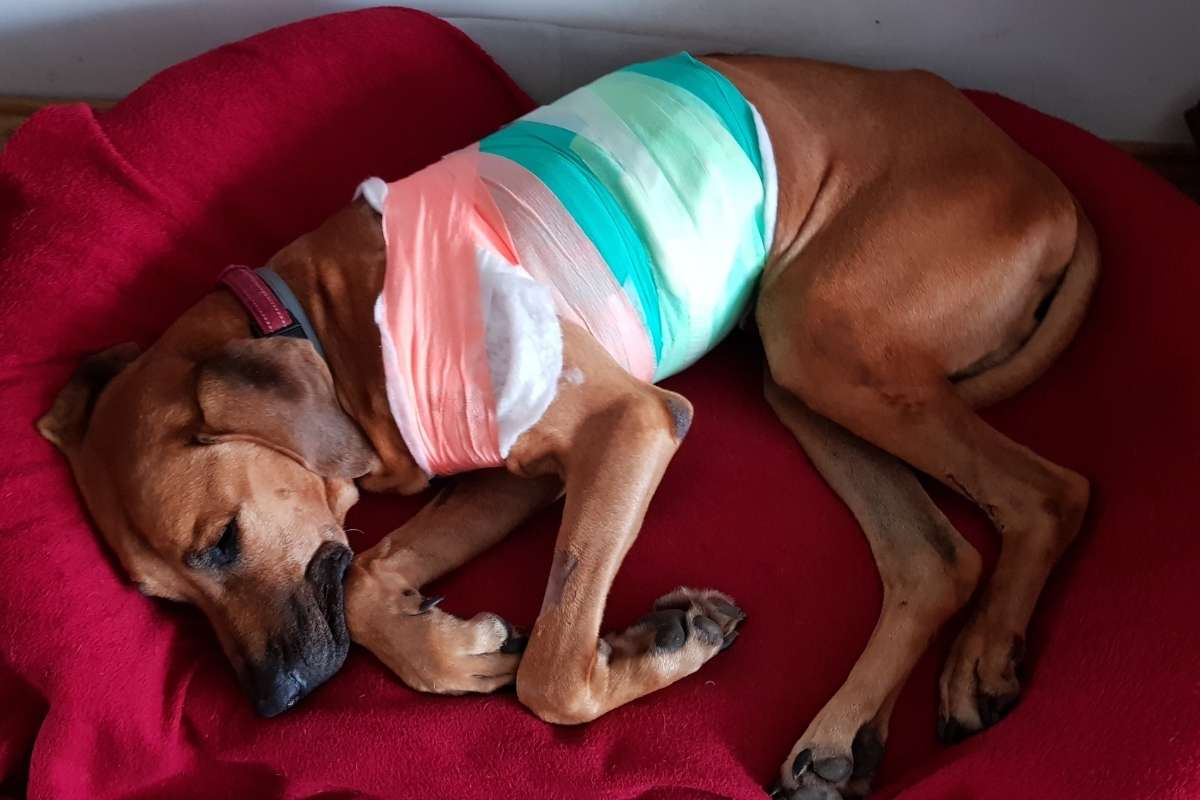
Recovery after veterinary surgery requires controlled activity and careful home care. Instructions may include restricted exercise, short leash walks, incision monitoring, prescribed medications, rehabilitation exercises, and follow-up examinations.
Allowing unrestricted running or jumping too early can interfere with healing. Contact your veterinarian if you notice worsening pain, sudden loss of limb use, increasing swelling, incision discharge, persistent vomiting, marked lethargy, or another unexpected change.
Take Persistent Knee Pain Seriously
A persistent limp should not automatically be considered a normal part of aging. If your dog struggles to rise, avoids stairs, or repeatedly favors a rear leg, an orthopedic examination can determine whether the CCL or another structure is the cause.
Milton Animal Hospital provides orthopedic evaluation and surgical care for pet owners in Alpharetta and surrounding communities. If knee instability is affecting your pet’s mobility, schedule an appointment to determine whether dog surgery or another treatment approach may be appropriate.
FAQs
1. Can a CCL tear heal without surgery?
Ans: A torn CCL generally does not return to normal ligament function on its own. Some dogs may become more comfortable with restricted activity, weight management, rehabilitation, and prescribed medication. At Milton Animal Hospital, we can evaluate your dog’s knee and determine whether surgical stabilization or another management approach should be considered.
2. How can I tell if my pet has a partial CCL tear?
Ans: Partial tears can cause intermittent limping, stiffness after rest, difficulty rising, or reluctance to jump. Symptoms may initially be mild and can worsen over time. An orthopedic examination is important because other joint conditions can cause similar changes. Milton Animal Hospital can assess your dog’s mobility and knee stability to help identify the cause of these symptoms.
3. Is a CCL injury an emergency?
Ans: Many CCL injuries are not life-threatening emergencies. However, sudden severe pain, inability to bear weight, significant swelling, or lameness following major trauma warrants prompt veterinary attention because fractures and other serious injuries can cause similar symptoms.
4. What happens if a CCL tear is left untreated?
Ans: Continued knee instability may contribute to discomfort, muscle loss, meniscal damage, and progressive arthritis. The effects vary between dogs. A veterinary evaluation can help determine an appropriate treatment plan before mobility declines further.
5. How long does recovery take after CCL knee surgery?
Ans: Recovery depends on the surgical procedure, your dog’s overall health, healing progress, and rehabilitation plan. Activity is generally restricted initially and gradually increased under veterinary guidance. Milton Animal Hospital can provide follow-up care and monitor your dog’s progress to help support a safe return to normal activity.
6. Can CCL injuries affect both knees?
Ans: Yes. CCL disease can eventually affect the opposite knee in some dogs because underlying ligament degeneration may involve both joints. Maintaining a healthy body weight and watching for new stiffness, limping, or changes in activity can help you recognize potential problems sooner.