12460 Crabapple Rd #103, Alpharetta, GA 30004
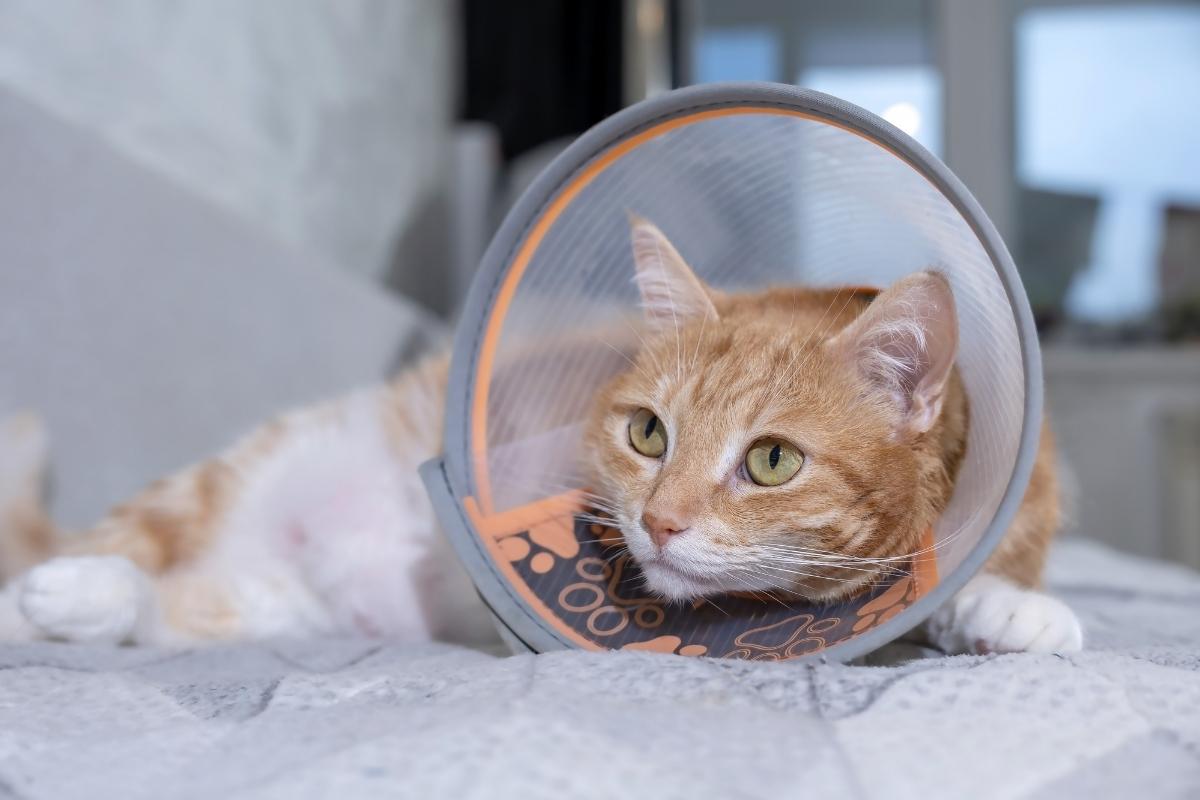
Preparing your pet for surgery can feel overwhelming, but the 24 hours leading up to the procedure are especially important for ensuring a safe and smooth experience. Whether your pet is scheduled for a routine procedure or a more advanced operation, proper preparation plays a key role in reducing risks and supporting faster recovery.
If you’re planning for veterinary surgery in Alpharetta, Roswell, and surrounding communities, understanding what to do before the appointment can make a significant difference in your pet’s health and comfort.
Why the 24 Hours Before Surgery Matter
The period just before surgery is critical because your pet’s body needs to be in the best possible condition for anesthesia and the procedure itself. Proper preparation helps:
- Reduce the risk of complications during anesthesia
- Prevent digestive issues such as vomiting
- Ensure accurate test results if pre-surgical exams are required
- Support a smoother recovery process
A trusted vet will always provide specific pre-surgery instructions, but there are general guidelines every pet owner should follow.
Fasting Guidelines: When to Stop Food and Water
One of the most important steps before surgery is fasting. Most pets are required to stop eating 8–12 hours before the procedure.
Why Fasting Is Important
Food in the stomach can lead to vomiting during anesthesia, which may cause serious complications. An empty stomach helps keep your pet safe throughout the surgery.
General Recommendations
- Remove food the night before surgery
- Provide water until a few hours before the procedure (unless advised otherwise)
- Follow your veterinarian’s exact instructions carefully
Always confirm fasting details with your vet, as recommendations may vary depending on your pet’s age, health, and type of surgery.
Medication Instructions: What to Continue or Pause
If your pet is on medication, it’s essential to ask your veterinarian whether to continue or temporarily stop it before surgery.
Key Considerations
- Some medications should be given with a small amount of water
- Others may need to be paused to avoid interactions with anesthesia
- Never make changes without veterinary guidance
Clear communication with your veterinary team ensures your pet’s safety during veterinary surgery Alpharetta.
Keep Your Pet Calm and Comfortable
Stress can affect your pet’s vital signs and overall experience. In the 24 hours before surgery, focus on creating a calm environment.
Tips to Reduce Anxiety
- Maintain a normal routine as much as possible
- Avoid introducing new foods or activities
- Provide a quiet, comfortable sleeping area
- Spend quality time with your pet to reassure them
A relaxed pet is more likely to have stable vital signs before surgery.
Pre-Surgery Hygiene and Preparation
Keeping your pet clean can help reduce the risk of infection.
What You Can Do
- Bathe your pet (if recommended) a day before surgery
- Avoid grooming right before the procedure unless instructed
- Remove collars, tags, or accessories on the day of surgery
Your veterinary team will handle surgical site preparation, but basic hygiene at home is helpful.
Plan Transportation and Post-Surgery Care
Preparation doesn’t end at the clinic planning ahead for your pet’s return home is equally important.
Before the Appointment
- Arrange safe and comfortable transportation
- Use a secure carrier or leash
- Bring any required medical records
Prepare Your Home
- Set up a quiet recovery area
- Keep food, water, and medications easily accessible
- Limit activity for the first few days
If you haven’t already, make sure to book an appointment early and confirm all instructions with your veterinary team.
Watch for Unusual Symptoms Before Surgery
If your pet shows any signs of illness in the 24 hours before surgery, notify your veterinarian immediately.
Symptoms to Watch For
- Vomiting or diarrhea
- Coughing or sneezing
- Lethargy or weakness
- Loss of appetite
These symptoms may require rescheduling the procedure to ensure your pet’s safety.
The Importance of Clear Communication with Your Vet
Every pet is unique, and pre-surgery care may vary based on individual health needs. Open communication with your veterinary team ensures that all concerns are addressed.
A reliable Alpharetta vet will guide you through every step, from preparation to recovery, making the entire process less stressful for both you and your pet.
Serving Alpharetta, Roswell and Surrounding Communities
Milton Animal Hospital proudly provides comprehensive surgical care for pets in Alpharetta and also welcomes patients from Roswell and surrounding areas. Whether your pet needs routine surgery or advanced care, the team is committed to delivering safe, compassionate treatment tailored to your pet’s needs.
Final Thoughts
The 24 hours before your pet’s surgery are crucial for ensuring a successful outcome. From proper fasting and medication management to reducing stress and preparing your home, every step plays a role in your pet’s safety and recovery.
By following these essential care tips and working closely with your veterinary team, you can help your pet have a smoother surgical experience. If your pet is scheduled for veterinary surgery in Alpharetta, Roswell, and surrounding communities, taking the time to prepare properly will give you peace of mind and support your pet’s well-being.
Frequently Asked Questions
1. How long should my pet fast before surgery?
Most pets should fast for 8–12 hours before surgery, but always follow your veterinarian’s specific instructions.
2. Can my pet drink water before surgery?
In most cases, pets can have water until a few hours before surgery. Confirm timing with your vet.
3. Should I give my pet medications before surgery?
Only give medications if your veterinarian instructs you to do so. Some medications may need to be paused.
4. What if my pet eats accidentally before surgery?
Contact your veterinary clinic immediately. The procedure may need to be rescheduled for safety.
5. How can I keep my pet calm before surgery?
Maintain a normal routine, provide a quiet space, and spend time reassuring your pet.
6. Do you accept patients from outside Alpharetta?
Yes, Milton Animal Hospital welcomes pets from Alpharetta and surrounding communities for surgical and general veterinary care.