12460 Crabapple Rd #103, Alpharetta, GA 30004

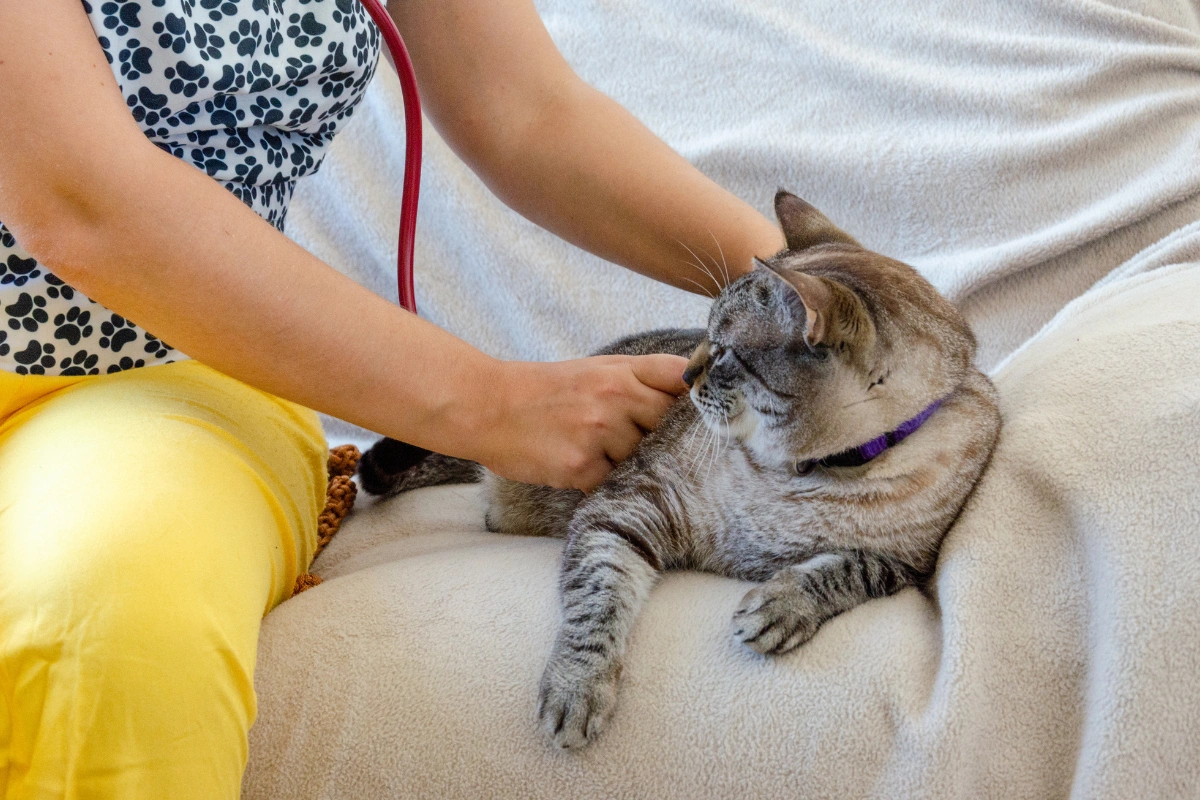
When your pet has surgery, making sure they feel comfortable and recover quickly is very important. Your veterinarian will give you medical advice, but there are simple things you can do at home to help reduce pain. Using medication as prescribed and creating a peaceful space can improve your pet’s recovery process.
Pain Medications and Vet Guidance
After pet surgery, managing pain is a key part of your pet’s recovery. Your veterinarian will likely recommend specific pain medications suited to your pet’s surgery. Follow the instructions carefully when giving these medicines to get the best results. Avoid giving human painkillers, as they can be dangerous for pets. If anything about the medication is unclear or if you have concerns, ask your vet for guidance.
Provide a Quiet and Comfortable Space
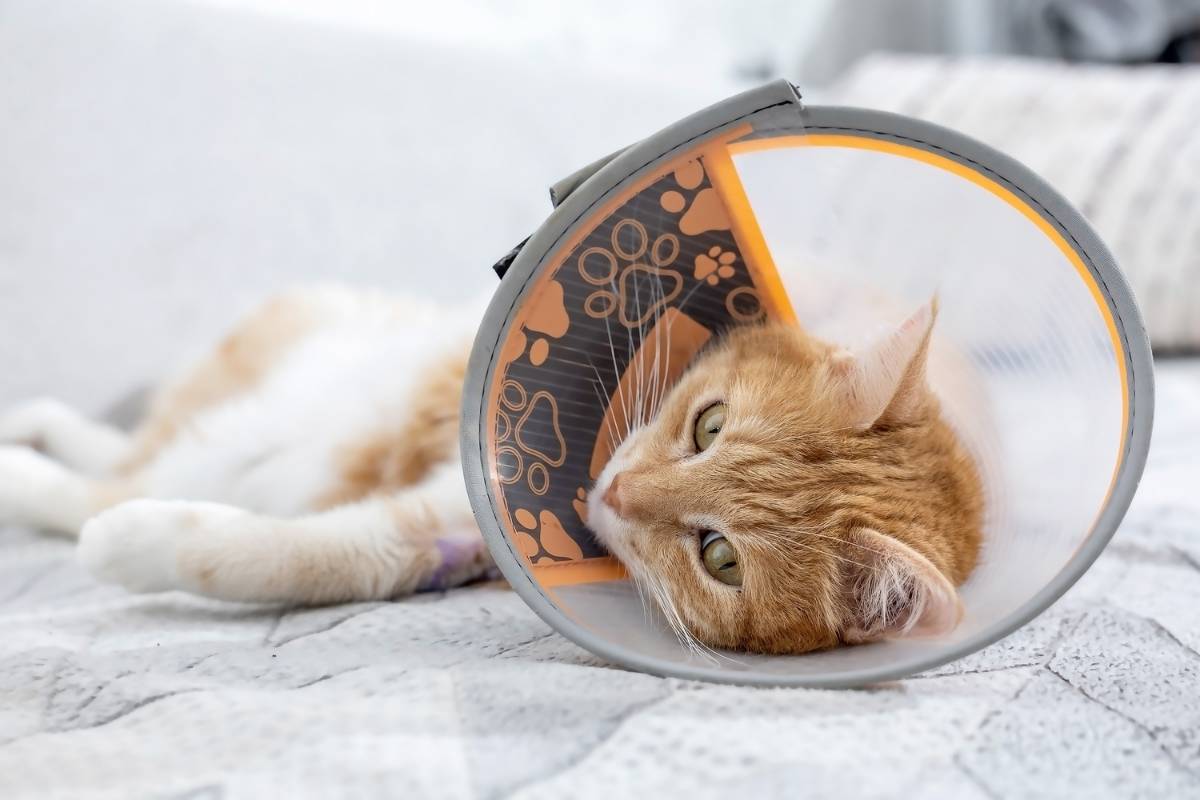
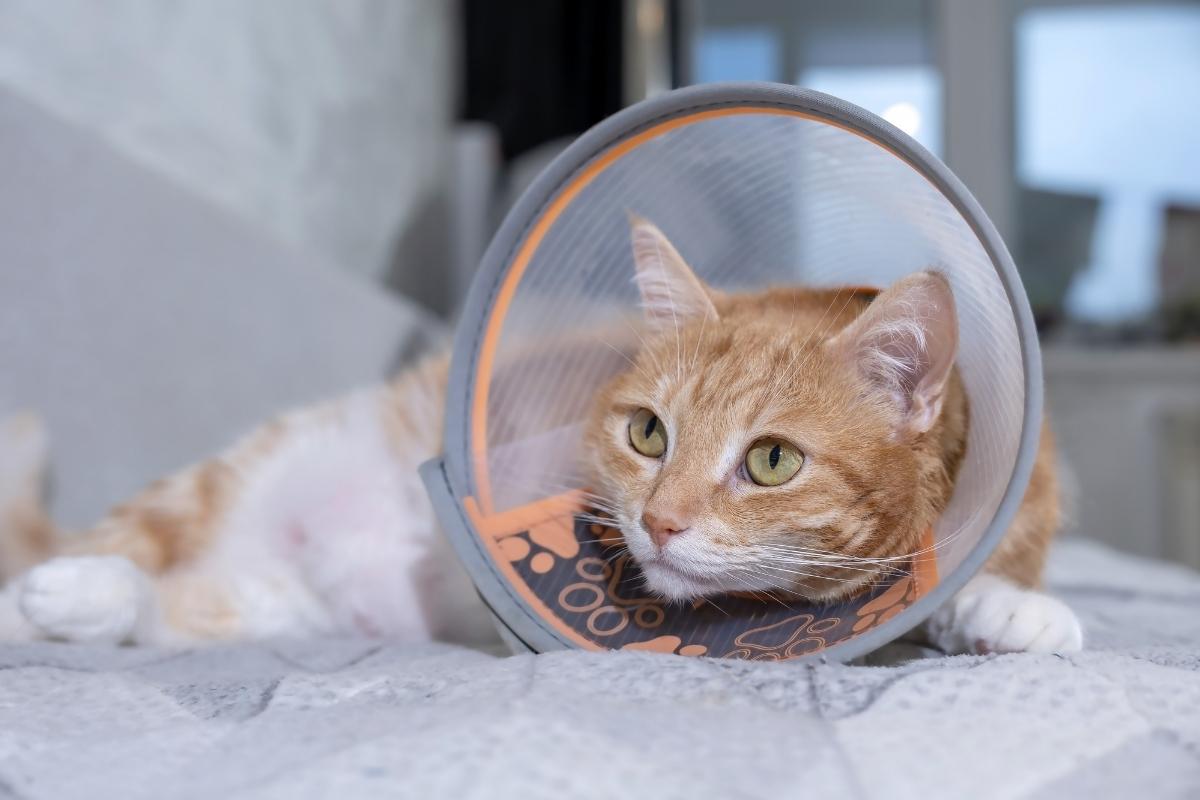
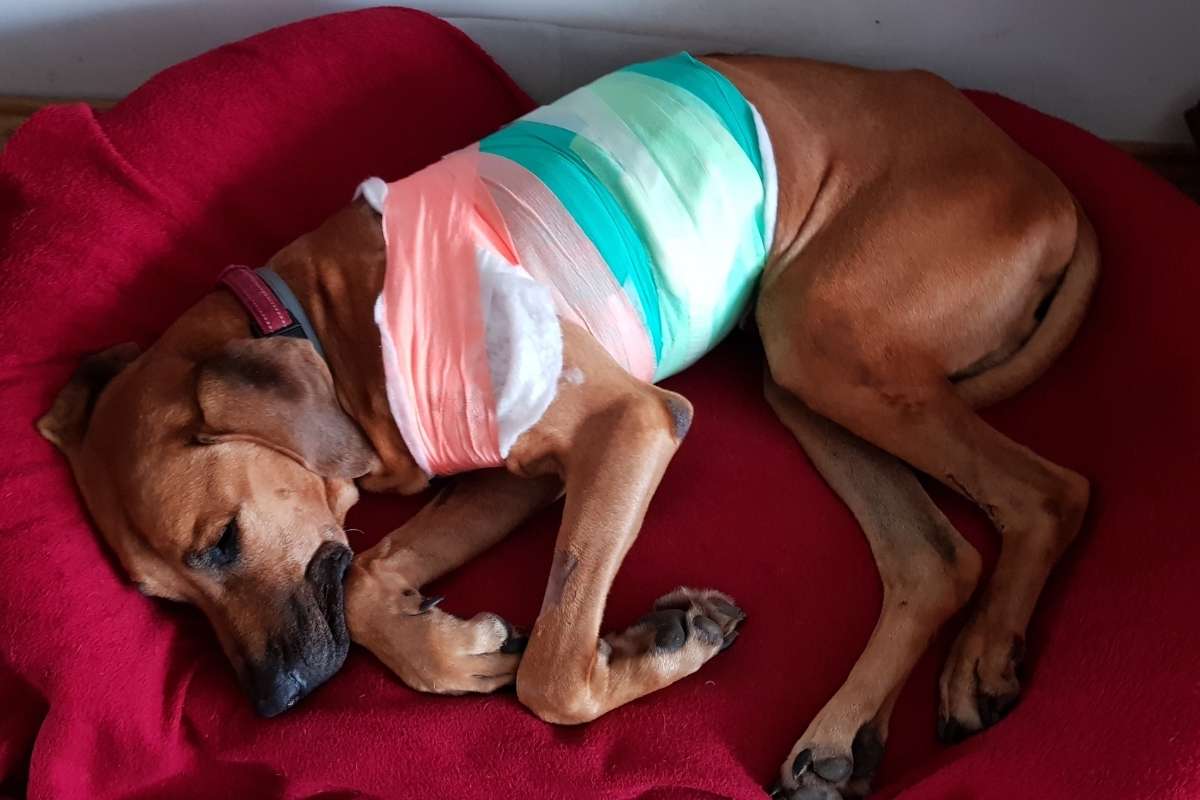
Pets are sensitive to their surroundings, especially after surgery. They need a quiet, comfortable space to rest and recover.
- Provide a cozy bed with blankets to help them relax.
- Limiting their movement during the first few days can reduce discomfort.
- Choose a location away from noise and activity to minimize stress.
Cold and Warm Compresses
Cold and warm compresses are excellent natural remedies for managing post-surgery pain. Ice packs can help reduce swelling and numb the area, which is especially useful in the first 24 to 48 hours following surgery. Warm compresses can then be used in the later stages of recovery to increase blood flow to the area, aiding in healing and comfort. Always place a cloth between the compress and your pet’s skin to avoid injury.
Maintain a Gentle Routine
Returning to a routine is essential for your pet’s emotional well-being after surgery. Stick to a calm, familiar routine for feeding, bathroom breaks, and companionship. Limit exercise and playtime to prevent strain on your pet’s healing body, but make sure they still feel loved and engaged. Consistency will help your pet feel secure and reduce anxiety as they heal.
Monitor Recovery and Vet Follow-ups
Monitoring your pet’s recovery is crucial. Pay attention to signs of excessive pain, changes in behavior, or issues such as vomiting or lethargy. These could indicate complications, and prompt communication with your veterinarian is essential. Attend any follow-up appointments as advised to ensure that your pet’s recovery is on track. If necessary, your vet can adjust treatment to address any issues and provide further pain relief strategies.
Helping Your Pet Heal Comfortably
After pet surgery, it’s important to help your furry friend feel comfortable during recovery. Following your vet’s advice, providing a calm environment, using cold or warm compresses, and sticking to a gentle routine can ensure your pet’s healing process is as smooth as possible. Always trust your instincts and consult your veterinarian if you notice anything concerning during your pet’s recovery.
If you’re searching for ways to manage post-surgery pain relief for your pet in Alpharetta, GA, seek professional help from Milton Animal Hospital, which provides effective solutions to help your pet heal quickly while remaining pain-free during recovery. Schedule an appointment with Milton Animal Hospital today to ensure your pet receives expert post-surgical care and personalized pain management support.
FAQs
Q1. Can I give my pet over-the-counter pain medication?
Ans. No, never give your pet over-the-counter human medications, as they can be toxic to animals. Always follow your vet’s prescribed pain management plan.
Q2. How long does post-surgery pain last in pets?
Ans. The length of pain varies depending on the surgery. Typically, pets face discomfort for a few days to a week. If the pain persists, consult your vet for advice.
Q3. Are there natural remedies for post-surgery pain relief for pets?
Ans. Natural remedies like cold compresses or warm towels can help manage swelling and discomfort. Always check with your vet before trying alternative methods to ensure they’re safe.
Q4. What if my pet refuses to eat after surgery?
Ans. If your pet isn’t eating, it could indicate pain or discomfort. Monitor them closely and contact your vet if the lack of appetite continues for more than a day or two.
Q5. Can I let my pet exercise after surgery?
Ans. Avoid exercise until your vet clears your pet for more activity. Too much movement can strain the surgical site and slow recovery.