12460 Crabapple Rd #103, Alpharetta, GA 30004

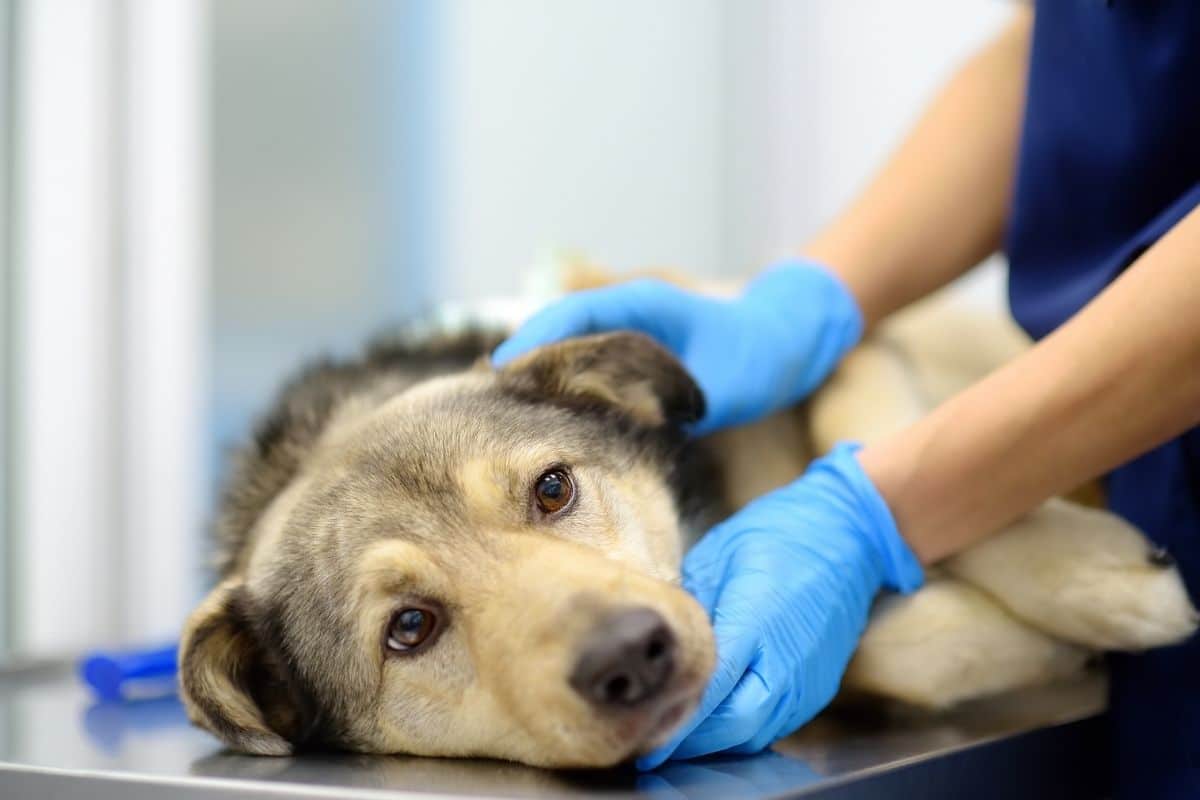
Ear infections are among the most common health concerns affecting both dogs and cats. While an occasional ear problem may seem minor, recurring infections can lead to chronic discomfort, hearing issues, and ongoing medical treatment if left unchecked. Regular ear exams play a key role in identifying problems before they become long-term conditions.
Many pet owners don’t notice the early signs of ear disease because the symptoms often develop gradually. Routine veterinary ear examinations help detect inflammation, parasites, allergies, yeast, bacteria, foreign material, and other issues that may not be visible at home. By making ear health part of your pet’s regular wellness routine, you can help prevent chronic infections and improve your pet’s overall quality of life.
Why Ear Health Matters for Pets
A healthy ear is clean, odor-free, and free from inflammation. The ear canal has natural defenses that help protect against bacteria and yeast, but several factors can disrupt this balance.
Common contributors to ear problems include:
- Excess moisture
- Allergies
- Ear mites
- Wax buildup
- Foreign objects such as grass awns
- Hormonal conditions
- Anatomical features like floppy or hairy ears
When these problems aren’t identified early, inflammation can worsen and create an ideal environment for recurring infections.
Routine ear exams allow your veterinarian to spot subtle changes before they develop into chronic conditions.
Understanding Chronic Ear Infections
A chronic ear infection is one that keeps returning or never fully resolves. Instead of treating repeated flare-ups, veterinarians aim to identify and address the underlying cause.
Repeated infections can lead to:
- Thickened ear canals
- Scar tissue formation
- Increased wax production
- Persistent pain
- Reduced hearing
- Difficulty treating future infections
Early diagnosis through regular ear examinations can help break this cycle before permanent damage occurs.
Signs Your Pet May Need an Ear Exam
Pets often hide discomfort, making it important for owners to recognize early warning signs.
Watch for:
- Frequent head shaking
- Scratching at the ears
- Redness inside the ear
- Unpleasant odor
- Dark or excessive discharge
- Swelling
- Sensitivity when the ears are touched
- Loss of balance in some cases
- Rubbing ears against furniture or carpeting
Even mild symptoms deserve prompt evaluation because early treatment often prevents more serious problems.
If you notice any of these signs, contact your veterinary clinic near you to have your pet’s ears examined.
What Happens During a Veterinary Ear Exam?
A thorough ear examination involves much more than simply looking inside the ear.
Your veterinarian may:
Review Your Pet’s Medical History
Recurring infections often have underlying causes. Your veterinarian may ask about:
- Previous ear infections
- Allergies
- Swimming habits
- Grooming routine
- Current medications
- Changes in behavior
This information helps guide diagnosis and treatment.
Examine the Outer Ear
The veterinarian checks for:
- Redness
- Swelling
- Hair loss
- Skin irritation
- Masses
- Wounds
These findings provide important clues about the source of irritation.
Inspect the Ear Canal
Using an otoscope, the veterinarian carefully examines the ear canal to look for:
- Wax buildup
- Inflammation
- Foreign material
- Ear mites
- Growths
- Condition of the eardrum
This close examination helps determine the severity of the problem.
Collect Ear Samples
If an infection is suspected, your veterinarian may collect a small sample from the ear.
Microscopic evaluation helps identify:
- Yeast
- Bacteria
- Parasites
- Inflammatory cells
Knowing exactly what is causing the infection allows for more effective treatment.
Early Detection Prevents Long-Term Problems
Many chronic ear infections begin as mild irritation.
Routine exams can identify problems before pets develop:
- Severe inflammation
- Thickened ear canals
- Deep infections
- Persistent discomfort
- Repeated medication needs
Treating ear problems early is often simpler, less stressful, and more successful.
Pets Most at Risk for Ear Infections
Although any pet can develop ear problems, some are more susceptible.
Higher-risk pets include:
Dogs with Floppy Ears
Breeds with long, hanging ears often trap moisture and reduce airflow.
Pets with Allergies
Environmental or food allergies frequently contribute to recurring ear inflammation.
Dogs That Swim Often
Water remaining inside the ears creates an environment where yeast and bacteria can multiply.
Pets with Hairy Ear Canals
Excess hair can reduce ventilation and trap debris.
Senior Pets
Older pets may develop underlying medical conditions that increase their risk for recurring ear problems.
Routine ear exams are especially valuable for pets in these higher-risk groups.
Why Home Ear Checks Are Helpful but Not Enough
Pet owners should become familiar with what healthy ears look and smell like.
Healthy ears typically are:
- Light pink
- Clean
- Free of odor
- Without excessive wax
However, many problems occur deep inside the ear canal where they cannot be seen without specialized equipment.
That’s why professional ear examinations remain an essential part of preventive veterinary care.
Common Causes Identified During Ear Exams
Ear examinations often reveal underlying issues that owners cannot detect at home.
These include:
Yeast Overgrowth
Yeast naturally exists on the skin but can multiply when conditions change.
Bacterial Infections
Secondary bacterial infections commonly develop after inflammation begins.
Ear Mites
More common in kittens and young animals, ear mites cause intense itching and irritation.
Foreign Objects
Seeds, plant material, and debris may become lodged inside the ear canal.
Allergies
Recurring ear infections are often one of the first signs of underlying allergies.
Identifying the true cause helps reduce the likelihood of repeated infections.
How Regular Ear Exams Save Time and Money
Ignoring mild ear problems can eventually require longer treatment and multiple veterinary visits.
Routine examinations help:
- Detect problems early
- Reduce repeat infections
- Minimize discomfort
- Prevent permanent ear damage
- Improve treatment success
Preventive care often reduces the overall cost of managing chronic conditions.
Tips for Supporting Ear Health at Home
Between veterinary visits, owners can help maintain healthy ears with simple habits.
Monitor Your Pet Regularly
Look for changes in:
- Odor
- Discharge
- Redness
- Scratching
- Head shaking
Keep Ears Dry
Dry your pet’s ears carefully after bathing or swimming if recommended by your veterinarian.
Avoid Inserting Cotton Swabs
Cotton swabs can push debris deeper into the ear canal and may cause injury.
Follow Cleaning Instructions Carefully
Only use veterinarian-approved ear cleaning products and follow professional guidance regarding frequency.
Attend Routine Wellness Visits
Regular physical examinations provide opportunities to detect developing ear problems before symptoms become severe.
If your pet develops persistent ear discomfort, don’t wait for the problem to worsen. Call (770) 526-2750 to discuss your concerns with your veterinary team.
Choosing a Trusted Veterinary Partner for Ear Health
When selecting a veterinary near you, look for a practice that emphasizes preventive care and thorough examinations. Consistent monitoring allows veterinarians to recognize subtle changes over time, making it easier to prevent chronic ear conditions before they become more difficult to manage.
Working with an experienced veterinary team also helps ensure that each infection is properly diagnosed rather than repeatedly treated without identifying its underlying cause.
Protect Your Pet from Chronic Ear Problems
Healthy ears contribute to your pet’s comfort, hearing, and overall well-being. Routine ear exams can identify hidden issues early, reduce the risk of recurring infections, and help preserve long-term ear health.
At the first sign of irritation, professional evaluation can make a significant difference in preventing chronic problems. If you’re looking for urgent pet care Alpharetta or a trusted provider for preventive ear health, Milton Animal Hospital is committed to providing compassionate, comprehensive care for dogs and cats. To help keep your pet comfortable and healthy, schedule an appointment with our experienced veterinary team today.
Frequently Asked Questions
1. How often should my pet have an ear exam?
Ans: Most pets benefit from ear evaluations during routine wellness visits. Pets with allergies, floppy ears, or a history of ear infections may need more frequent examinations based on your veterinarian’s recommendations.
2. Can ear infections go away without treatment?
Ans: Some mild irritation may improve, but true ear infections usually require veterinary diagnosis and appropriate treatment. Delaying care can allow the condition to become chronic.
3. What are the first signs of an ear infection in pets?
Ans: Common early signs include head shaking, scratching at the ears, redness, foul odor, ear discharge, and sensitivity when the ears are touched.
4. Are some dog breeds more likely to develop ear infections?
Ans: Yes. Dogs with floppy ears, narrow ear canals, or excessive hair inside their ears are generally more prone to recurring ear problems.
5. Should I clean my pet’s ears regularly?
Ans: Some pets benefit from routine ear cleaning, while others do not need frequent cleaning. Your veterinarian can recommend the right schedule and products based on your pet’s individual needs.
6. Why do ear infections keep coming back?
Ans: Recurring ear infections are often linked to underlying conditions such as allergies, excess moisture, anatomical features, hormonal disorders, or incomplete treatment. A thorough ear exam helps identify the root cause so it can be properly managed.