12460 Crabapple Rd #103, Alpharetta, GA 30004

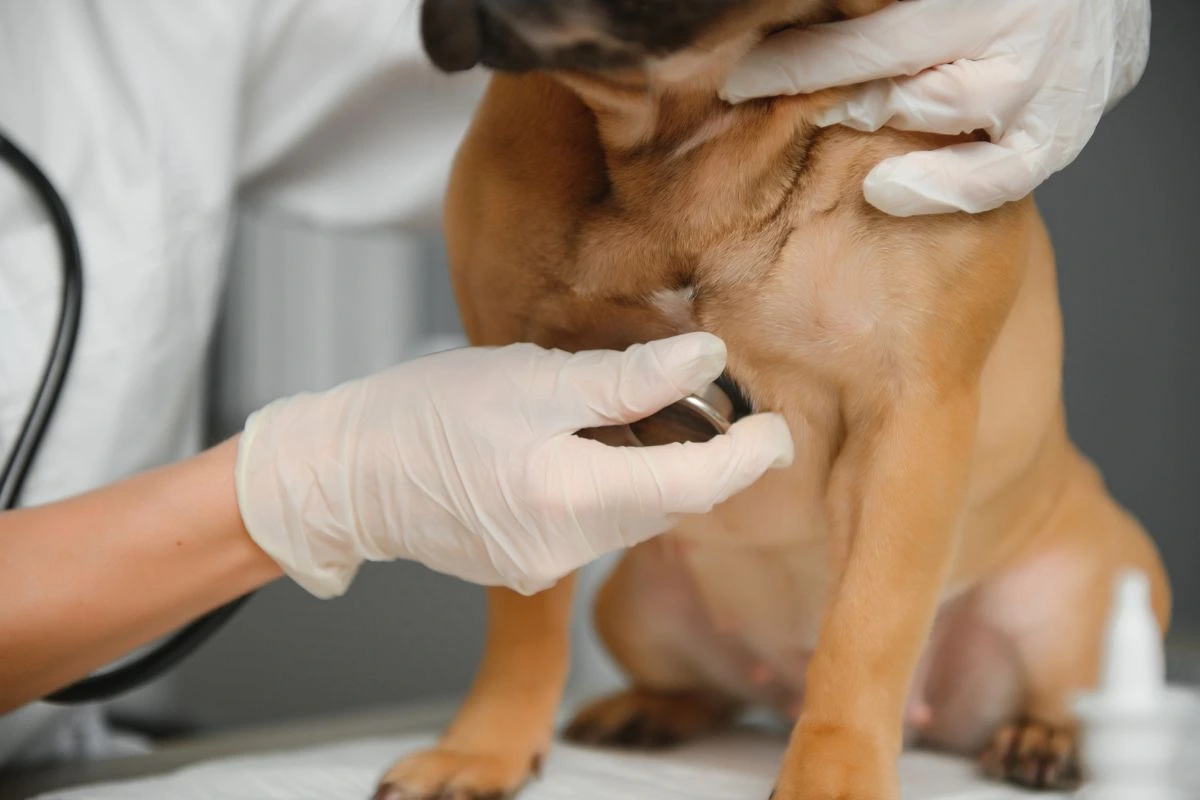
Heartworms are a dangerous and potentially life-threatening condition that can affect dogs of any age or breed. Spread through mosquito bites, these parasites can live and grow inside your dog’s heart, lungs, and blood vessels—often without obvious symptoms in the early stages. Recognizing the warning signs early can make a critical difference in your dog’s health and recovery.
What Are Heartworms?
Heartworms are parasitic worms that settle in a dog’s heart, lungs, and surrounding blood vessels. Over time, they can cause severe lung disease, heart failure, and damage to other organs. While prevention is simple and effective, early detection plays a vital role in successful treatment.
1. Ongoing Coughing
One of the earliest signs of heartworms is a mild but persistent cough. You may notice your dog coughing after light activity or even while resting. If the cough doesn’t go away, it’s important to have your pet evaluated at a trusted veterinary clinic Alpharetta.
2. Low Energy and Fatigue
Dogs infected with heartworms often become less active than usual. If your energetic dog suddenly seems tired, avoids playtime, or struggles during walks, it could be a warning sign that shouldn’t be ignored.
3. Weight Loss and Reduced Appetite
A noticeable drop in appetite or gradual weight loss can indicate underlying health issues, including heartworm disease. Even subtle changes in eating habits may signal the need for a veterinary checkup.
4. Swollen or Bloated Abdomen
In more advanced stages, fluid may build up in the abdomen, causing a swollen or distended appearance. This condition, known as ascites, often indicates serious progression and requires immediate medical attention.
5. Breathing Difficulties
Heartworms can obstruct blood flow and strain your dog’s lungs, leading to labored breathing, rapid panting, or shortness of breath—even with minimal activity. This is a serious symptom that needs urgent evaluation.
How to Protect Your Dog from Heartworms
Preventing heartworms is far easier and safer than treating them. Here’s how you can protect your pet:
- Use Preventive Medication: Monthly heartworm preventives are highly effective.
- Reduce Mosquito Exposure: Limit outdoor time during peak mosquito hours and use pet-safe repellents.
- Schedule Regular Checkups: Annual testing helps detect infections early.
- Watch for Changes: Monitor your dog’s energy, appetite, and breathing closely.
Partner with a Trusted Local Vet
If you notice any of these symptoms, don’t wait. Early care can save your dog’s life. At Milton Animal Hospital, we provide compassionate, expert care to keep your pet healthy year-round. If you’re looking for a reliable veterinary clinic in Alpharetta, our team is here to help.
Schedule an appointment with Milton Animal Hospital today to ensure your dog stays heartworm-free and in the best possible health.
Frequently Asked Questions
Q1. Can dogs have heartworms without showing symptoms?
Ans: Yes, early-stage infections often show no visible signs. That’s why routine testing is essential.
Q2. How are heartworms diagnosed?
Ans: Vets use blood tests and may recommend imaging like X-rays or ultrasounds to confirm and assess the condition.
Q3. Are heartworms deadly if untreated?
Ans: Yes, untreated infections can lead to severe lung disease, heart failure, and even death.
Q4. Can indoor dogs get heartworms?
Ans: Absolutely. Mosquitoes can enter homes, putting indoor pets at risk.
Q5. When do symptoms typically appear?
Ans: Symptoms may take several months to years to show, depending on the severity of infection.
Q6. Is treatment available?
Ans: Yes, but it can be costly and carries risks. Preventive care is always the safest option.