12460 Crabapple Rd #103, Alpharetta, GA 30004

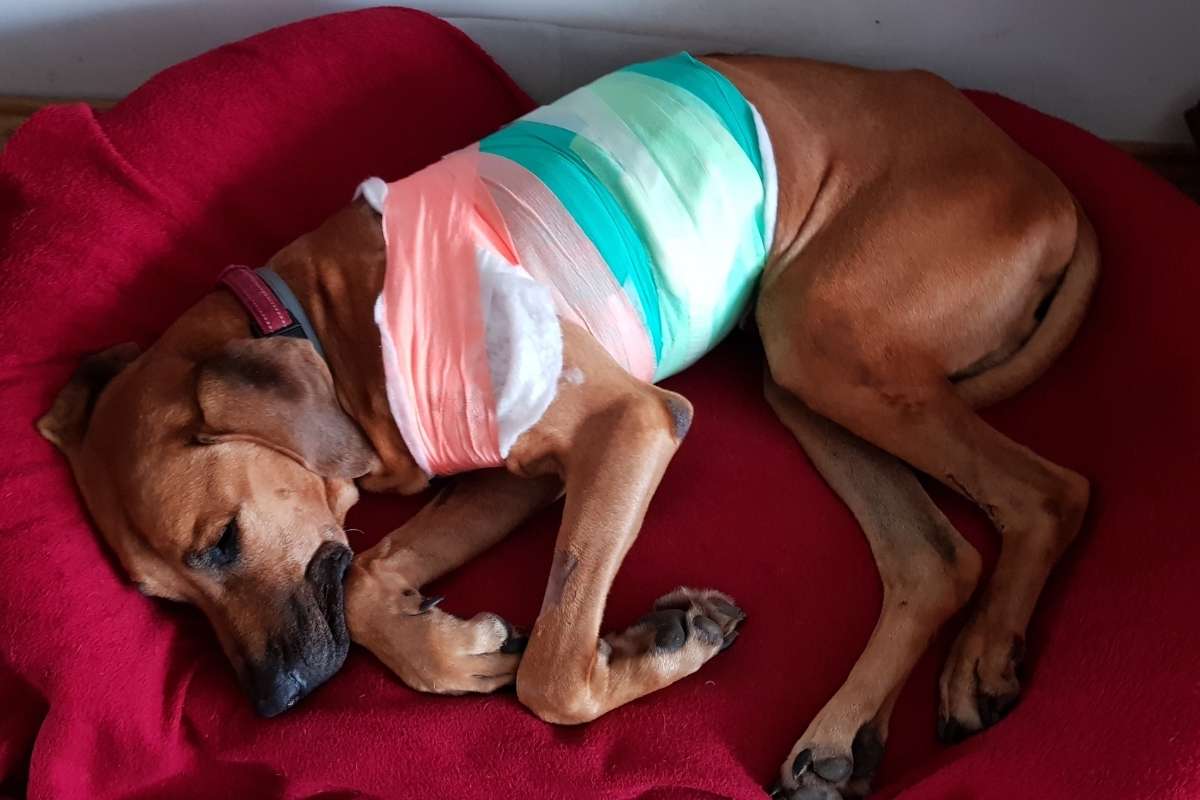
When your dog undergoes surgery, the procedure itself is only one part of the recovery journey. What happens at home afterward is just as important. Proper dog surgery aftercare helps prevent complications, reduces pain, and allows your pet to heal comfortably. Many pet owners worry about how long recovery will take and whether healing is progressing normally.
Every surgery—whether routine or complex—requires patience, careful observation, and consistency. From spay and neuter procedures to orthopedic repairs, attentive home care plays a major role in successful healing. This guide explains recovery timelines, safe care practices, and warning signs you should never ignore, especially for pet families in Alpharetta, GA.
Why Aftercare Matters So Much
Dogs cannot understand why they feel sore or why activity must be limited. As a result, they may run, jump, or lick their incisions too soon. Without proper supervision, this behavior can reopen wounds or cause infection.
After a veterinary surgery, the body begins repairing tissues immediately. The first few days are critical because the incision is fragile and vulnerable to bacteria. Good aftercare:
- Prevents infection
- Controls swelling
- Supports tissue healing
- Minimizes discomfort
- Reduces the risk of re-injury
Therefore, following your veterinarian’s instructions carefully significantly improves recovery.
How Long Does Healing Usually Take?
Recovery varies depending on the procedure, age, and health of your dog. However, most healing follows a predictable pattern.
First 24–48 Hours
Your dog may:
- Feel sleepy
- Eat less
- Walk slowly
- Show mild swelling
Anesthesia often causes grogginess. Provide a quiet, comfortable resting space and limit stimulation.
Days 3–7
Energy gradually returns. However, this is also when many dogs try to resume normal activity too early. Continue restricting movement.
The incision should appear:
- Closed
- Dry
- Slightly pink
Days 10–14
Skin tissue typically seals around this time. Sutures or staples may be removed, depending on the procedure. Your veterinarian will confirm healing progress.
3–8 Weeks (Major Procedures)
Orthopedic procedures, such as ligament repairs, require extended recovery. Activity restrictions remain necessary during this period.
Understanding these stages helps you provide proper dog surgery aftercare throughout healing.
Managing Activity and Rest
One of the most important recovery rules is controlled activity. Even if your dog feels better, internal tissues are still healing.
What to Avoid
- Running
- Jumping on furniture
- Stairs
- Rough play
- Off-leash walks
Instead, take short leash walks only for bathroom breaks.
Create a recovery space using:
- A crate
- A playpen
- A small, quiet room
This prevents sudden movements that could damage healing tissues.
Prevent Licking and Chewing
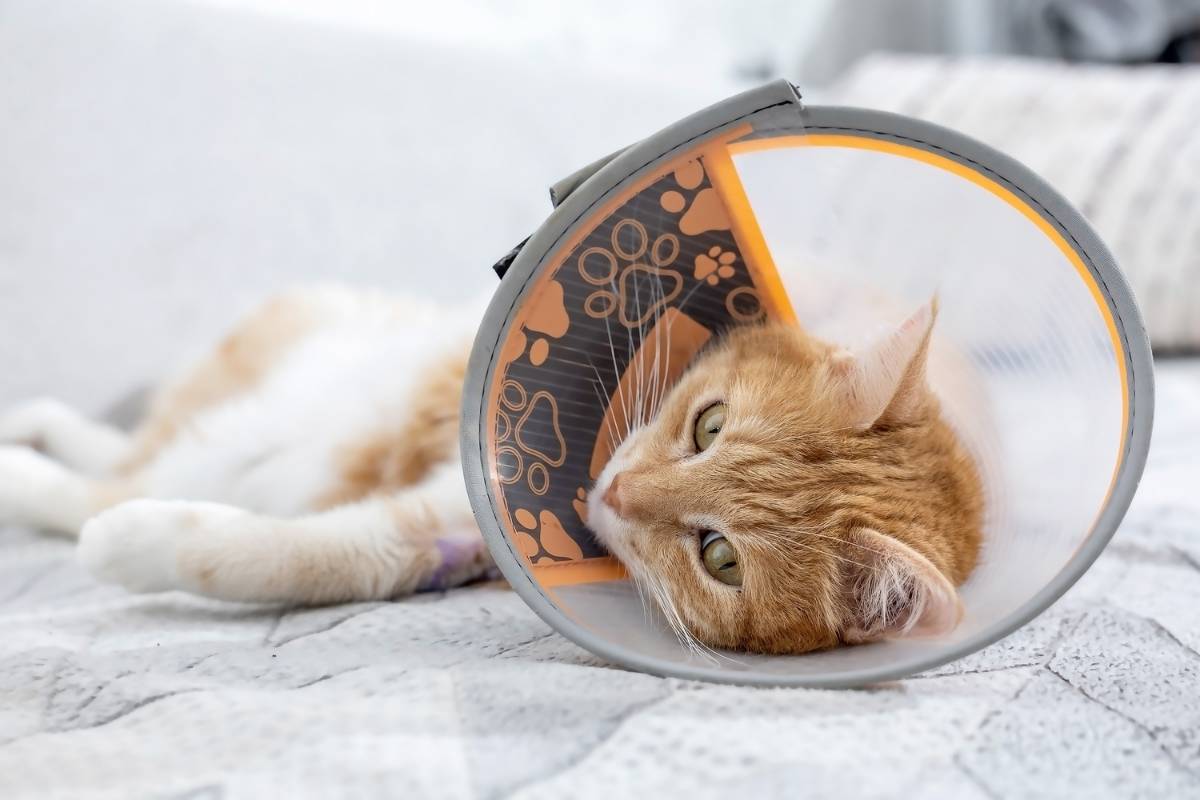
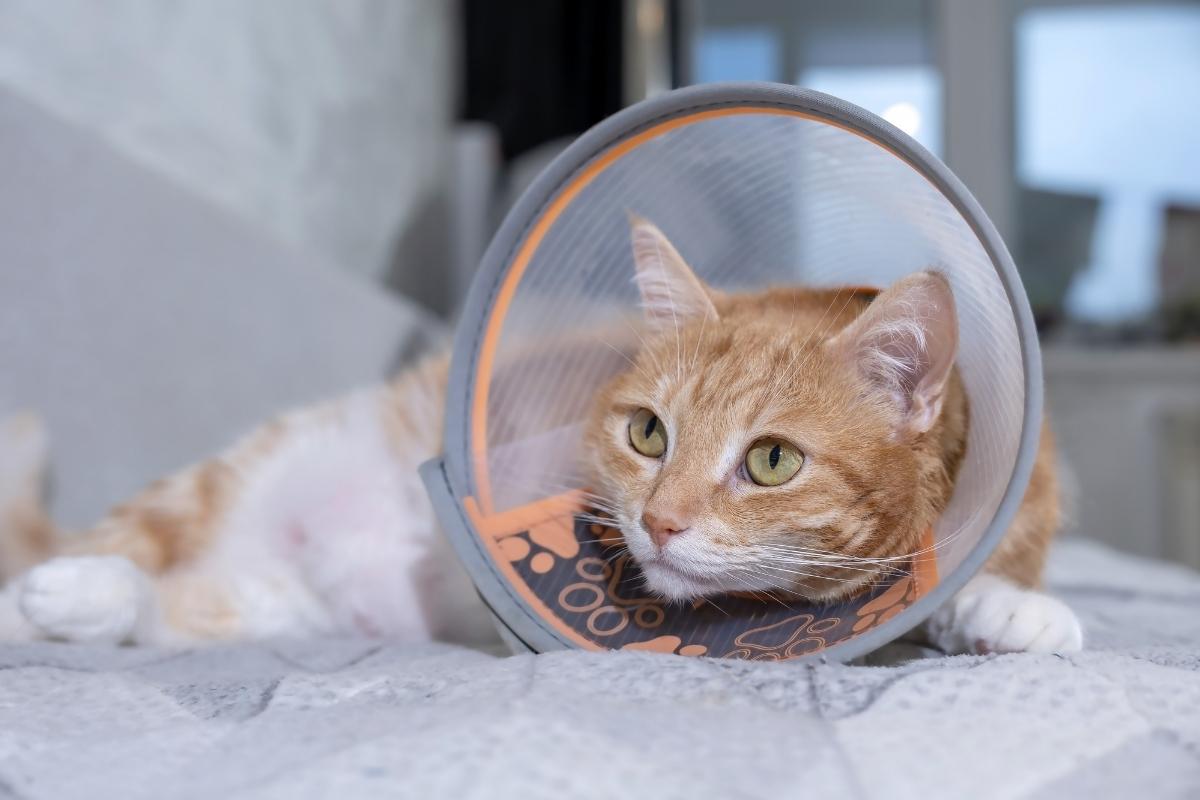
Dogs instinctively lick wounds. Unfortunately, licking introduces bacteria and delays healing. An Elizabethan collar (cone) or recovery suit is essential.
Never remove the collar unless you are directly supervising your dog. Many incision infections occur overnight when the cone is removed.
Consistent monitoring is a crucial part of effective dog surgery aftercare.
Feeding and Hydration After Surgery
After anesthesia, appetite may be reduced temporarily. Offer small portions of food and fresh water.
Helpful tips:
- Start with half the normal meal
- Use bland food if nausea occurs
- Avoid treats initially
Contact your veterinarian if your dog refuses food for more than 24 hours.
Pain Management
Pain control helps healing. Your veterinarian may prescribe medications to reduce inflammation and discomfort.
Important reminders:
- Never give human pain medication
- Follow dosing instructions carefully
- Complete the full prescription
Pain relief helps your dog rest, which speeds recovery.
Incision Care and Monitoring
Check the surgical site twice daily. A normal incision should remain:
- Clean
- Dry
- Slightly pink
- Odor-free
Do not apply ointments unless instructed. Most incisions heal best when left undisturbed.
Warning Signs You Should Never Ignore
Although complications are uncommon, early recognition prevents serious issues.
Contact your veterinarian if you notice:
- Bleeding
- Pus or discharge
- Bad odor
- Excessive swelling
- Opening of the incision
- Persistent vomiting
- Lethargy
- Fever
- Refusal to drink water
These signs may indicate infection or internal complications after veterinary surgery.
At Milton Animal Hospital, veterinarians often stress that a quick response leads to faster treatment and better outcomes.
Follow-Up Visits Are Essential
Recheck appointments allow your veterinarian to assess healing and remove sutures if needed. Even if your dog appears normal, internal healing may still be incomplete.
During the visit, the veterinarian will:
- Examine the incision
- Adjust medications
- Discuss activity progression
These visits are a vital component of successful dog surgery aftercare.
Helping Your Dog Stay Comfortable
You can improve comfort by:
- Providing soft bedding
- Keeping the area warm
- Maintaining a quiet environment
- Offering gentle reassurance
Avoid bathing your dog until cleared by your veterinarian.
Caring for a dog after surgery requires patience, observation, and consistency. By understanding recovery stages and recognizing warning signs, you can help your pet heal safely and comfortably. Proper dog surgery aftercare prevents complications and supports long-term health.
If you are in Alpharetta, GA, and looking for a veterinarian near you, book an appointment with Milton Animal Hospital. Their experienced team can guide you through recovery, monitor healing, and ensure your dog returns to normal life as quickly and safely as possible.
FAQs
Q1. When can my dog walk normally again?
Ans. Light leash walks begin after about 10–14 days unless instructed otherwise.
Q2. Is swelling normal after surgery?
Ans. Mild swelling is normal for a few days, but increasing swelling requires evaluation.
Q3. Can my dog sleep without the cone?
Ans. No. Dogs often lick incisions at night, causing infection.
Q4. What if my dog skips a meal?
Ans. Missing one meal is common after anesthesia. Longer appetite loss needs attention.
Q5. When can my dog be bathed?
Ans. Usually, after the incision fully healed and sutures are removed.
Q6. How do I know my dog is in pain?
Ans. Signs include whining, restlessness, panting, or avoiding movement.