12460 Crabapple Rd #103, Alpharetta, GA 30004

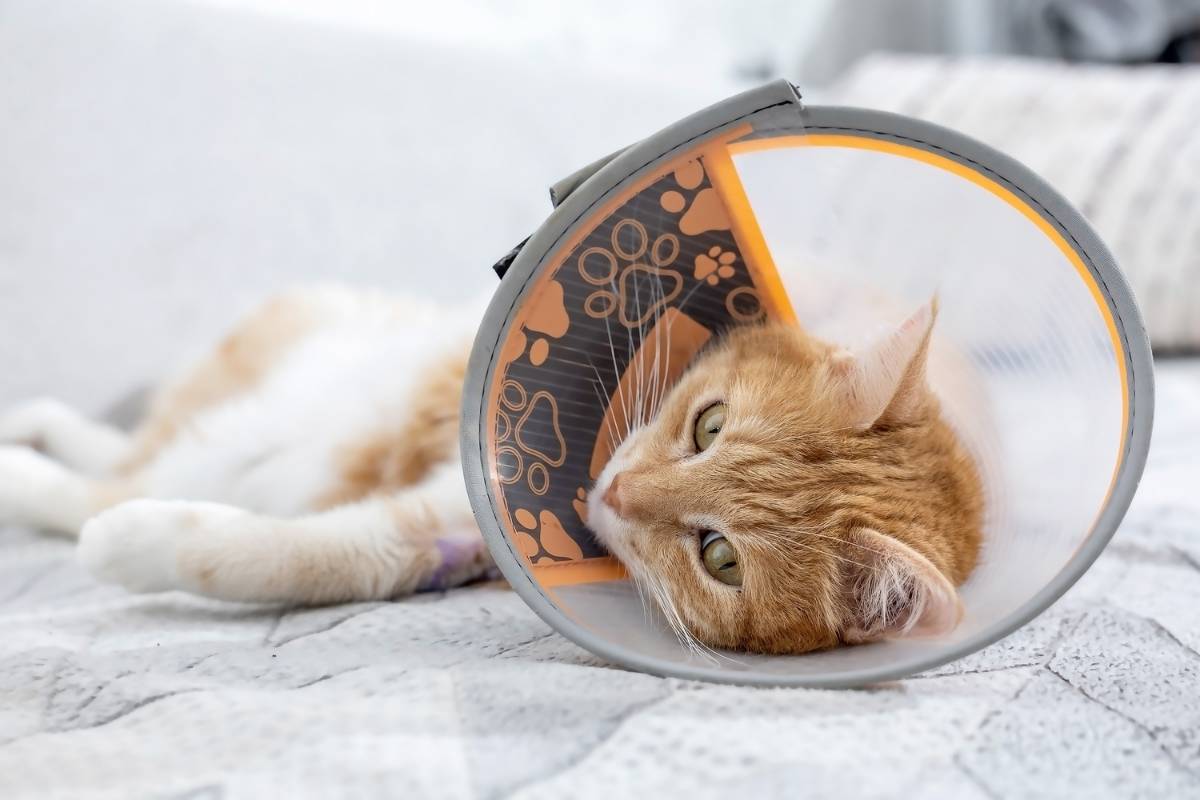
Cats are incredibly good at masking discomfort. A normally playful cat may suddenly hide under furniture for hours. A subtle change in appetite or an unusual sleeping pattern might seem minor at first, yet some symptoms can indicate serious medical conditions that require surgery.
Recognizing cat surgery warning signs early can make a major difference in recovery and treatment outcomes. If you’re a pet owner in Alpharetta, Milton, Crabapple, Roswell, or nearby communities, this blog is especially for you. Understanding which symptoms deserve immediate attention can help protect your cat’s health before problems become more severe.
Sudden Appetite Changes Can Signal Emergencies
Cats usually maintain predictable eating habits. Refusing food for more than a day should never be ignored, especially when paired with vomiting, lethargy, or hiding behavior.
Digestive blockages, infections, and internal inflammation can all quickly affect appetite.
Symptoms Often Linked To Surgical Conditions
- Repeated Vomiting: Ongoing vomiting may indicate obstruction or illness.
- Abdominal Swelling: Enlarged stomach areas may signal internal problems.
- Pain During Handling: Sensitivity around the belly often needs evaluation.
- Complete Appetite Loss: Prolonged refusal to eat can become dangerous.
- Constipation Or Straining: Difficulty passing stool may indicate a blockage.
A veterinarian may recommend imaging or surgical care depending on the severity of symptoms.
Difficulty Urinating Requires Immediate Attention
Urinary blockages can become life-threatening rapidly, especially in male cats. Delaying care may lead to kidney failure or bladder rupture within a short period.
Many owners initially mistake urinary distress for constipation.
Signs Commonly Seen With Urinary Emergencies
- Frequent Litter Box Visits: Repeated attempts with little output are not effective.
- Crying During Urination: Vocalizing often signals pain or pressure.
- Blood in Urine: Visible blood requires prompt evaluation.
- Licking Excessively: Persistent grooming around the urinary area is a concern.
- Hiding or Restlessness: Discomfort can quickly cause behavioral changes.
A veterinarian often treats urinary obstruction as an emergency requiring urgent intervention.
Breathing Changes Should Never Wait Long
Cats experiencing breathing difficulty may initially show very subtle signs. Open-mouth breathing or rapid chest movement can indicate severe underlying problems.
Respiratory distress may require immediate stabilization and diagnostic care.
Breathing Symptoms Owners Often Miss
- Fast Resting Breaths: Increased respiratory rate while sleeping matters.
- Neck Extended Forward: Cats may stretch their necks to breathe more easily.
- Blue Or Pale Gums: Gum color changes can signal oxygen problems.
- Sudden Weakness: Low oxygen levels rapidly reduce energy.
- Wheezing Sounds: Noisy breathing deserves medical attention.
Some breathing emergencies may involve fluid buildup, trauma, or internal injury requiring surgery.
Swallowed Objects Can Become Dangerous Fast
Cats explore using their mouths more often than many owners realize. Strings, rubber bands, thread, toys, and hair ties commonly create intestinal blockages.
Linear foreign objects can cause serious internal damage quickly.
Signs Linked to Intestinal Blockages
- Repeated Gagging: Persistent retching often needs investigation.
- Vomiting After Eating: Food may not pass normally through the intestines.
- Painful Abdomen: Cats may resist touch or crouch frequently.
- Low Energy Levels: Blockages often cause weakness and dehydration.
- String Hanging From Mouth: Never pull the visible string yourself.
Emergency surgery may be necessary to safely remove swallowed objects.
Injuries Sometimes Require Surgical Treatment
Falls, bites, and vehicle accidents can create hidden internal injuries even when external wounds seem minor. Cats often continue walking despite fractures or internal bleeding.
A quick evaluation helps identify damage earlier.
Injury Signs Requiring Immediate Medical Attention
- Limping Severely: Weight-bearing difficulty may indicate fractures.
- Open Wounds: Deep injuries increase the risk of infection.
- Sudden Collapse: Internal trauma can affect circulation rapidly.
- Bleeding That Continues: Persistent bleeding should never wait.
- Swollen Limbs: Swelling may signal tissue or bone injury.
A veterinarian may recommend imaging, wound repair, or emergency surgery depending on the severity of the injury.
Mouth Problems Can Affect Overall Health
Dental disease and oral injuries can create significant pain for cats. Some oral conditions eventually require surgical treatment to prevent worsening complications.
Cats often continue eating despite severe mouth discomfort.
Oral Symptoms Owners Should Watch Closely
- Drooling Frequently: Excessive salivation may indicate pain or infection.
- Bad Breath: Persistent odor often indicates dental disease.
- Bleeding Around Mouth: Gum bleeding deserves evaluation.
- Difficulty Chewing Food: Oral pain gradually changes eating behaviors.
- Pawing At The Face: Cats may paw at the face in response to oral discomfort.
Routine pet dental care helps reduce the risk of advanced oral disease over time.
Hidden Symptoms Often Worsen Without Treatment
Many surgical conditions begin with subtle signs that progress gradually. Waiting too long may limit treatment options or significantly increase recovery time.
Preventive wellness visits and diagnostic evaluations help identify concerns earlier, before emergencies develop.
Services Often Connected To Surgical Monitoring
- Pet Wellness Exams: Monitoring overall health changes routinely.
- Pet Diagnostic Services: Identifying hidden illness more accurately.
- Digital Imaging Support: Evaluating internal conditions quickly.
- Preventive Blood Work: Assessing organ function before procedures.
A veterinarian often uses multiple diagnostic tools to determine whether surgery becomes necessary.
Pet owners across Alpharetta, Milton, Crabapple, and Roswell continue prioritizing preventive care and early diagnostic evaluations for their cats.
Quick Attention Often Improves Recovery Outcomes
Cat surgery warning signs can appear subtle at first, making close observation extremely important for owners. Appetite changes, urinary difficulties, breathing problems, vomiting, and unusual behavior may all indicate conditions that require urgent medical evaluation.
Early intervention often improves recovery outcomes while reducing complications. Regular wellness exams and preventive monitoring also help identify hidden concerns before surgery becomes necessary in some situations.
Paying Attention to Small Behavioral Changes
If you’re in Alpharetta, Milton, Crabapple, Roswell, or nearby areas and searching for cat surgery services, book an appointment with Milton Animal Hospital. Our team helps evaluate surgical concerns through diagnostic testing, wellness exams, imaging support, and ongoing feline health monitoring. Whether your cat needs emergency evaluation, surgery preparation, dental treatment, or preventive care, we’re here to help guide you through every stage of treatment and recovery.
FAQs
1. Why do cats hide more when dealing with pain?
Ans: Cats naturally hide discomfort as a survival instinct. Increased hiding, reduced interaction, or avoidance of favorite spaces may signal illness, injury, or developing pain that requires medical evaluation.
2. Can vomiting hairballs sometimes indicate a surgical blockage?
Ans: Frequent vomiting mistaken for hairballs may occasionally involve intestinal obstruction, especially when paired with appetite loss, lethargy, constipation, or abdominal discomfort lasting longer than usual.
3. Why should a visible string never be pulled from a cat’s mouth?
Ans: Pulling a string can damage the intestines if the string extends into the body. Immediate veterinary evaluation helps remove swallowed material more safely and reduces the risk of internal injury.
4. Do cats still eat normally with severe dental pain?
Ans: Many cats continue eating despite painful dental disease. Smaller food pieces, chewing differently, drooling, or reduced appetite often reveal hidden oral discomfort that gradually worsens over time.
5. Can urinary blockages become dangerous within hours?
Ans: Urinary obstruction may rapidly affect kidney function and bladder pressure. Early treatment improves survival chances and helps reduce severe complications caused by blocked urination.